
Morocco's Use of Immigration as a Diplomatic Tool
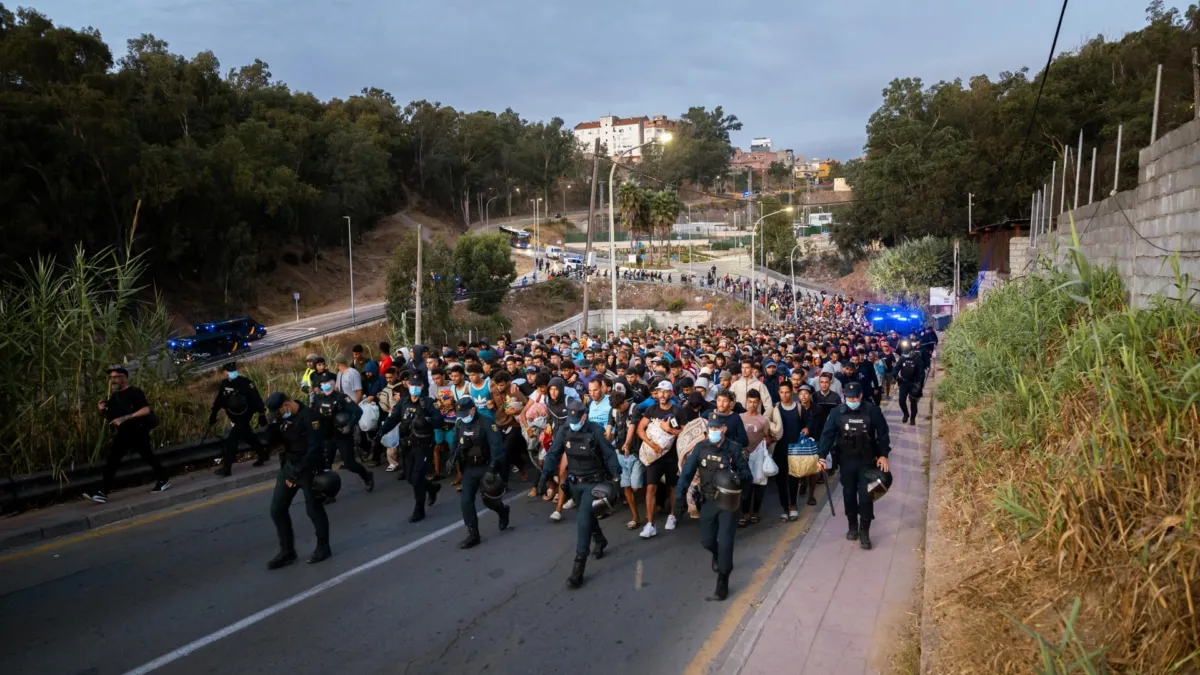
The "Strategic Overview for 2026" presented today by the Institute of Strategic Studies (IEEE) highlights the intricacies of Morocco's foreign policy, particularly regarding its manipulation of immigration flows into Europe. Notably, this is not the first instance of Morocco facilitating waves of illegal immigration; a significant event occurred on July 29, 2026, in Ceuta, reminiscent of a similar situation in 2021, albeit on a smaller scale. The government attributed this crisis to criminal networks and human traffickers, aiming to absolve Rabat of responsibility for the massive influx of 70,000 individuals into this autonomous city. However, behind these immigration surges lie deeper diplomatic interests, as suggested by a report from defense experts indicating that Morocco utilizes the initiation of diplomatic crises with its traditional partners as "pressure instruments" to achieve its political objectives.
This report delves into the motivations behind Morocco's posture towards its neighbors, particularly its ambition regarding Western Sahara. As articulated by Miguel Hernando de Larramendi, a professor of Arab and Islamic Studies at the University of Castilla-La Mancha, Morocco has strategically exploited diplomatic crises to shift the international framework regarding the decolonization process of Western Sahara, advocating for an administrative solution through autonomy under Moroccan sovereignty. The document outlines Morocco's offensive stance against neighboring countries, highlighting instances of diplomatic crises with Germany (2020), Spain (2021), and France (2022) as part of its strategy to garner support for its autonomy proposal in Western Sahara.
Implications of Recent Migratory Trends
Furthermore, the report contextualizes the entry of 9,000 Moroccan citizens into Ceuta in May 2021, including 1,500 unaccompanied minors, as a tactical move to pressure the Spanish government into backing Morocco's autonomy plan for Western Sahara. In light of the recent migrant crisis in July 2026, Morocco's stance suggests that migration management is a shared responsibility. The Moroccan Ministry of Foreign Affairs has attempted to downplay its role in the migratory crisis, attributing the surge to the Spanish Supreme Court's removal of deterrents against maritime immigration, which led to a significant 'pull effect' as migrants understood the new legal framework.
Additionally, the report does not limit itself to an analysis of Moroccan foreign policy but also examines the broader challenges facing the Maghreb region, particularly the tensions between Morocco and Algeria. Just nine days after Spanish Prime Minister Pedro Sánchez's official visit to Algeria resulted in a political agreement to increase imports of Algerian gas, Morocco witnessed a massive influx of 70,000 immigrants. The IEEE report indicates that while Morocco employs diplomatic pressure tactics against Spain, Algeria has also engaged in its strategies to leverage the competition for dominance in North Africa.
The document asserts that Algeria has responded assertively to Spain's shift in stance regarding Western Sahara by suspending the Treaty of Friendship, Good Neighborliness and Cooperation in June 2022 and halting non-energy-related exports and imports with Spain. Similar retaliatory measures were taken against France following Paris's endorsement of Morocco's autonomy plan as the sole basis for resolving the Western Sahara conflict. Meanwhile, Spain successfully navigated the diplomatic rift between France and Morocco, exacerbated by allegations of Moroccan espionage via the Pegasus software, which reportedly affected President Macron and several ministers. This shift allowed Spain, having recently altered its position on Western Sahara, to be recognized as a privileged partner by Rabat.
As reported by elindependiente.com.