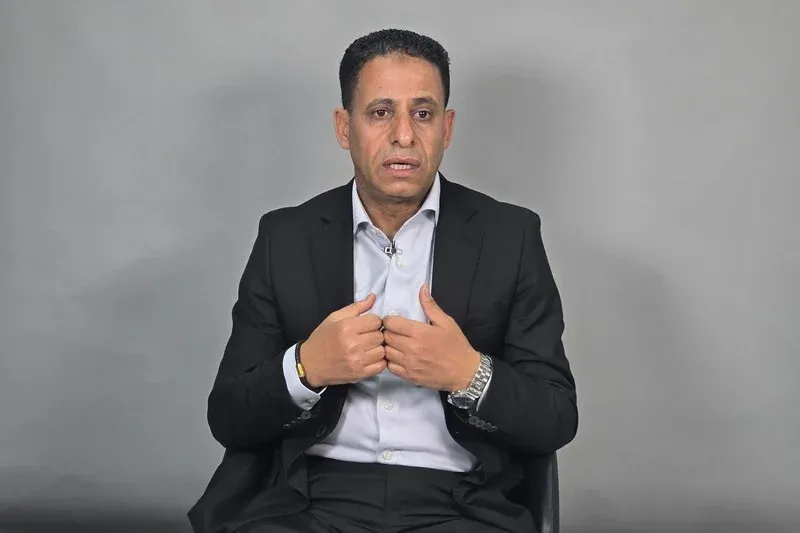
In a recent dialogue with Hespress, Houssine Ghazoui, the Moroccan diplomat and Director of the Cultural Affairs Department at the General Secretariat of the Organization of Islamic Cooperation (OIC), expressed that "the Kingdom of Morocco is currently engaged in a fierce legal and cultural battle to protect its identity from various forms of appropriation." He emphasized that the historical evidence and precise craftsmanship associated with Moroccan elements such as the 'caftan' and 'zellige' make attempts to attribute these cultural symbols to others merely "desperate efforts" that clash with the deeply rooted Moroccan reality that refuses falsification.
Ghazoui pointed out that the targeting of Moroccan heritage reflects geopolitical tensions that extend beyond mere heritage, aiming to undermine the country's soft power. He mentioned that Rabat is successfully navigating the international intellectual and moral property battles concerning local heritage, recalling the successful registration of its cultural elements with UNESCO and the World Intellectual Property Organization (WIPO) as a legal bastion against illegal appropriation.
As a former Deputy Head of the South Korean diplomatic mission, Ghazoui asserted that Morocco's national cultural signature is resistant to hijacking or distorted replication. He underscored that transforming culture into an economic and developmental asset is the optimal response to attempts at marginalization or appropriation. He called for a necessary shift from the "comfort zone," affirming that the protection of Morocco's "symbolic capital" requires a delicate balance between openness to the global economy and resilience against the waves of dilution attempting to penetrate the Islamic and Moroccan cultural fabric.
Assessing the Role of Cultural Strategies Amid Global Changes
In his role at the OIC, Ghazoui highlighted that the organization comprises 57 member states across three major geographical regions: Asia, Africa, and the Arab world. Established in Rabat in 1969 following the arson of Al-Aqsa Mosque, Morocco is a founding member of this political entity. While primarily political, the OIC also addresses vital sectors, including economy, media, tourism, culture, and humanitarian issues pertinent to the Islamic world at large.
He elaborated on the challenges posed by cultural diversity, stating that the organization is working to formulate cultural strategies that consider the specific historical, social, and political contexts of member states. He mentioned that despite the substantial challenges, there is a clear strategic vision for cultural activities shaped by decisions made at the annual meetings of foreign ministers and Islamic summits. Each year, these meetings assess the implementation of decisions made by member states, including cultural resolutions related to significant issues such as the Palestinian cause, the preservation of Islamic heritage, and adapting to rapid technological changes.
The cultural role of the OIC manifests in fostering cooperation and achieving cultural solidarity among its diverse geographical regions, with numerous activities taking place, such as the recent event in Dakar, Senegal, commemorating the 1500th anniversary of the birth of Prophet Muhammad, aimed at promoting cultural and human cohesion among member states.
Challenges and Opportunities in Cultural Development
Ghazoui acknowledged the ongoing discussion surrounding the commodification of culture, which raises significant debate globally. He stated that while the OIC supports the creative economy, there is a fine line between viewing culture as a marketable commodity and preserving its intrinsic value. He stressed the necessity of distinguishing between culture as a resource for job creation and economic growth versus the dilution of cultural significance that reduces it to mere entertainment devoid of intellectual or developmental merit.
Highlighting the importance of cultural industries, Ghazoui pointed out that sectors like cinema and music can act as catalysts for economic development. He noted Morocco's strides in soft power, especially in cultural diplomacy, security, and economic realms, recognizing its leading position in North Africa and beyond. Despite the competitive landscape, Morocco has distinguished itself through its political stability, significant economic progress, and successful sporting events, such as the upcoming 2030 FIFA World Cup co-hosted with Spain and Portugal.
However, he acknowledged the numerous challenges facing the implementation of cultural projects, including limited financial resources, bureaucratic delays, and a lack of qualified personnel to manage and coordinate cultural initiatives. He emphasized the need for a holistic vision that fosters cultural decentralization, ensuring that activities are not confined to major cities like Rabat and Casablanca but extend to marginalized regions, thereby enriching the cultural fabric of the nation.
In conclusion, Ghazoui's insights underscore the imperative for Morocco to navigate the complexities of cultural preservation and development, harnessing its rich heritage while adapting to contemporary challenges. The OIC's role in this endeavor is crucial, as it seeks to empower member states in fostering cultural resilience and solidarity in an increasingly interconnected world.
As reported by hespress.com.