
Coalition Government Formation in Morocco
In a significant political development, Morocco's centrist Authenticity and Modernity Party (PAM), which secured the most votes in the recent parliamentary elections, has announced that it will establish a coalition government alongside three other political parties. This coalition brings together a diverse array of moderate socialist groups as well as the nationalist Istiqlal Party, collectively holding a total of 207 seats in the parliament, thus exceeding the 198 seats required for a majority. This strategic alliance aims to create a robust political force characterized by shared ideological beliefs and a commitment to a reform-oriented agenda.
Fatima Ezzahra El Mansouri: A Historic Appointment
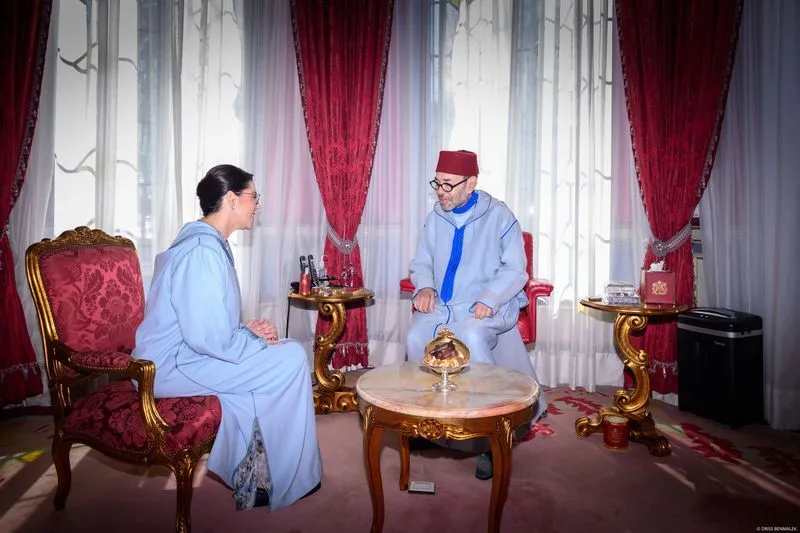
The coalition's formation was highlighted by the historic appointment of Fatima Ezzahra El Mansouri as the first female Prime Minister of Morocco. Following her party's success in the elections held on September 23, she has been entrusted with the critical task of assembling a new cabinet. Established in 2008, PAM has positioned itself as a counterbalance to the Islamist Justice and Development Party, advocating for social modernization and progressive reforms. The new government will focus on overseeing the final stages of an ambitious $20 billion initiative aimed at preparing for the 2030 World Cup, which Morocco will co-host with Portugal and Spain. Additionally, the government faces pressing demands to address youth concerns surrounding employment, education, and healthcare—issues that have previously sparked protests and migration crises. However, it is important to note that while the coalition changes the parliamentary landscape, it is not expected to significantly alter Morocco's broader policy direction, especially in matters where the king retains substantial authority, such as foreign policy and national defense.
As reported by internazionale.it.