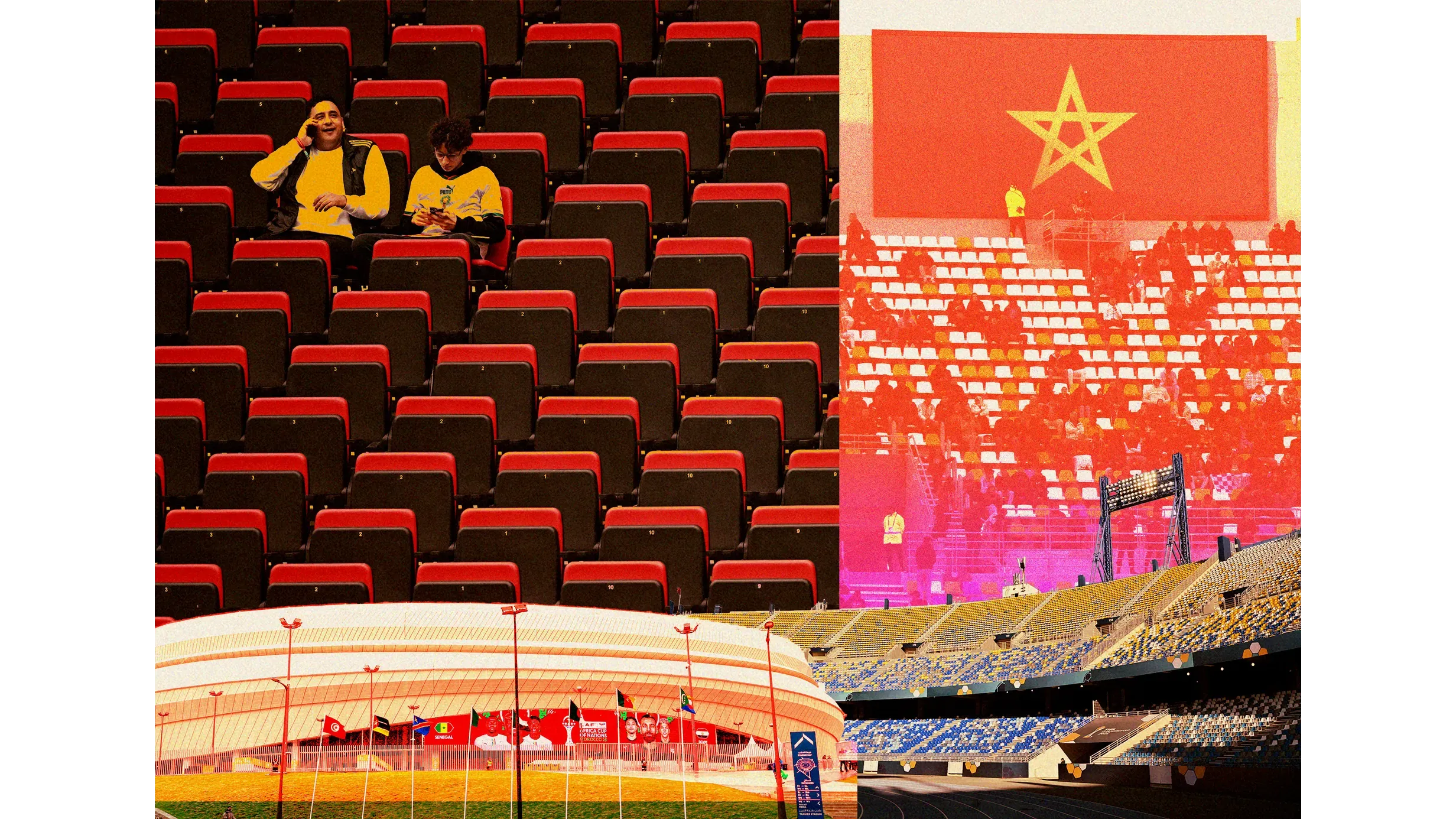
As the football globe cast its gaze upon New Jersey's MetLife Stadium for the much-anticipated 2026 World Cup final, Morocco found itself embroiled in a significant diplomatic dispute regarding the hosting of the next World Cup final. The nation is set to cohost the 2030 tournament alongside Spain and Portugal; however, FIFA has yet to determine the final venue. Spain is adamant that the prestigious match should occur on its soil, but Morocco is banking on a newly constructed 115,000-seat stadium just outside Casablanca to sway FIFA's decision in its favor.
The mere fact that Morocco is vying for the honor of hosting football's most significant match underscores the deep integration of the sport into the kingdom's national identity and the rapid acceleration of its investments in football. Following its historic journey to the semifinals of the 2022 World Cup—the first by any African or Arab nation—Morocco has elevated football to a national endeavor. The Moroccan government's investment in infrastructure, including transport, airports, urban development, and sporting facilities, has surged following the acquisition of cohosting rights for the 2030 World Cup. King Mohammed VI's administration has prioritized these developments, which include a new national stadium and enhanced elite training facilities.
Morocco's strategy also involves fostering youth development and actively recruiting talent from the diaspora in Europe to cultivate its next generation of international football stars. The efficacy of this approach is evident, as nineteen out of the twenty-six players on Morocco's most recent World Cup squad were born abroad. Among them, six players had eligibility to play for France, while others hailed from Spain, Belgium, and the Netherlands. Morocco has even made efforts to attract prospects like Lamine Yamal, a Spanish footballer with Moroccan roots.
However, Morocco's football-centric strategy is not without its critics. The lavish spending on stadiums and sports infrastructure has prompted questions about government priorities, particularly regarding the allocation of resources amidst pressing social needs. In the wake of Morocco's remarkable performance in the 2022 World Cup, the nation reached the final of the 2026 Africa Cup of Nations (AFCON) and advanced to the quarter-finals of the 2026 World Cup, marking a historic achievement as the first African nation to reach consecutive World Cup quarter-finals. The success of Moroccan football has also extended to women's sports, with the national women's team reaching the final of the 2024 Women's AFCON.
Despite these achievements, dissent has surfaced among the Moroccan populace. In September 2025, just weeks before the Under-20 World Cup victory over Argentina, young Moroccans took to the streets to protest a burgeoning health crisis triggered by the tragic deaths of eight women in a maternity ward in Agadir. Demonstrators, particularly from the Gen Z cohort, clamored for improved healthcare and public infrastructure, criticizing the government's allocation of funds toward opulent football stadiums instead of essential medical facilities. Slogans such as "No World Cup, health comes first" resonated with the crowd, highlighting the growing discontent with the current administration's spending priorities.
Dr. Jules Boykoff, a former professional football player and political scientist, cautions against grounding a nation's development strategy in the pursuit of a sports mega-event like the World Cup, noting that such approaches often lead to adverse economic outcomes. The political landscape in Morocco complicates matters further, as nominally free elections exist within a framework dominated by the monarchy and palace-aligned elites known as the makhzen. Young individuals aged 16 to 30 often feel disenfranchised within this authoritarian system, viewing political parties and state institutions as detached from their interests. The aftermath of the popular uprisings in 2011-2012 saw the makhzen suppress protests and online activism while failing to address the socio-economic challenges faced by the populace.
The situation has been exacerbated by crises, including the Covid-19 pandemic, which severely impacted Morocco's economy and left many young people struggling. As the country diverted its attention and resources toward football, long-standing social issues resurfaced. The protests that erupted in 2025 resulted in three fatalities and numerous injuries during clashes with law enforcement. Additionally, over 2,400 individuals were arrested and faced legal repercussions related to the demonstrations. In response to mounting public discontent, King Mohammed VI pledged to implement social reforms and increase funding for healthcare and education.
Despite these promises, the crackdown on dissent continues, as evidenced by the arrest of politically active figures like rapper Mehdi El Youbi during the 2026 World Cup. Morocco's official human rights framework for the upcoming World Cup emphasizes the need to uphold internationally recognized human rights standards. However, activists argue that this framework neglects longstanding concerns, including discrimination against marginalized groups and the ongoing territorial dispute over Western Sahara.
For Morocco, the Western Sahara region remains a crucial aspect of its national sovereignty and regional influence. The territory is rich in natural resources and offers an extensive coastline that expands Morocco's trade opportunities. In its efforts to maintain control over the region, Moroccan authorities have routinely suppressed dissent from Sahrawi independence activists through arbitrary arrests and intimidation. Critics argue that the upcoming World Cup may serve as a platform for Morocco to normalize its occupation of Western Sahara, despite the absence of stadium construction in the occupied territory. For Morocco, the 2030 World Cup presents both an opportunity to bolster its international image and a potential risk of exacerbating existing tensions.
In conclusion, whether Morocco ultimately secures the opportunity to host the 2030 World Cup final remains uncertain. However, the nation’s football revolution may play a pivotal role in shaping the broader transformation that the kingdom aspires to achieve.
As reported by wired.me.