
Morocco Climbs the Global Reputation Rankings
Morocco has achieved a significant milestone in its international presence by ranking 27th globally in the RepCore Nations 2026 classification, marking an upward movement of three positions compared to the previous year. This remarkable achievement not only reinforces Morocco's position as a leading nation in Africa and the Arab world regarding reputation but also highlights the nation's growing influence on the global stage. The results, unveiled during an international online conference addressing nation image management and its impact on external standing, reveal an improved international evaluation of Morocco across various sectors. This is particularly noteworthy as many major economies have experienced a decline in their reputational standings, thus magnifying the significance of Morocco's progress beyond mere rankings.
During the conference, Morocco was showcased alongside Ukraine, with strategic insights provided by prominent figures such as Issam Lotfi, Chief Strategic Officer at the Royal Institute for Strategic Studies, and Maria Libyatska, Head of the Brand Ukraine Initiative. The discussions focused on how nations can develop a reservoir of trust, admiration, and respect among the international public, emphasizing the critical role of national image in shaping economic ties and diplomatic relations.
The Interplay Between Reputation and Economic Growth
The enhancement of Morocco's image is attributed to advancements in technology, public resource management, and a burgeoning sports presence, coupled with the nation’s international achievements. These factors have collectively propelled Morocco's position forward in the rankings, which are based on a comprehensive set of economic, political, social, cultural, and environmental indicators. The importance of this achievement is magnified by the global economic climate in which the ranking was conducted; out of the sixty largest economies assessed, 43 experienced a decline compared to the previous year, while only 14 made gains, and three maintained their standings. The overall average reputation score fell by approximately 0.86 points, emphasizing Morocco's unique position amidst a backdrop of global reputational challenges.
Moreover, Morocco's progress cannot be viewed in isolation; rather, it is part of a broader trajectory that has seen the nation expanding its economic, tourism, and sporting presence over the past two decades. Tourism, in particular, stands at the core of this dynamic, serving not only as a source of revenue but also as a powerful tool for shaping external perceptions of the country. An increase in tourist arrivals translates to greater direct engagement with Moroccan culture, cities, and infrastructure, allowing visitors to become potential ambassadors of the nation abroad. Estimates from Reputation Lab indicate a direct correlation between improved national reputations and economic benefits, suggesting that a one-point increase in reputation correlates with an average tourist revenue increase of approximately 7.2%, alongside a one percent rise in foreign direct investment flows.
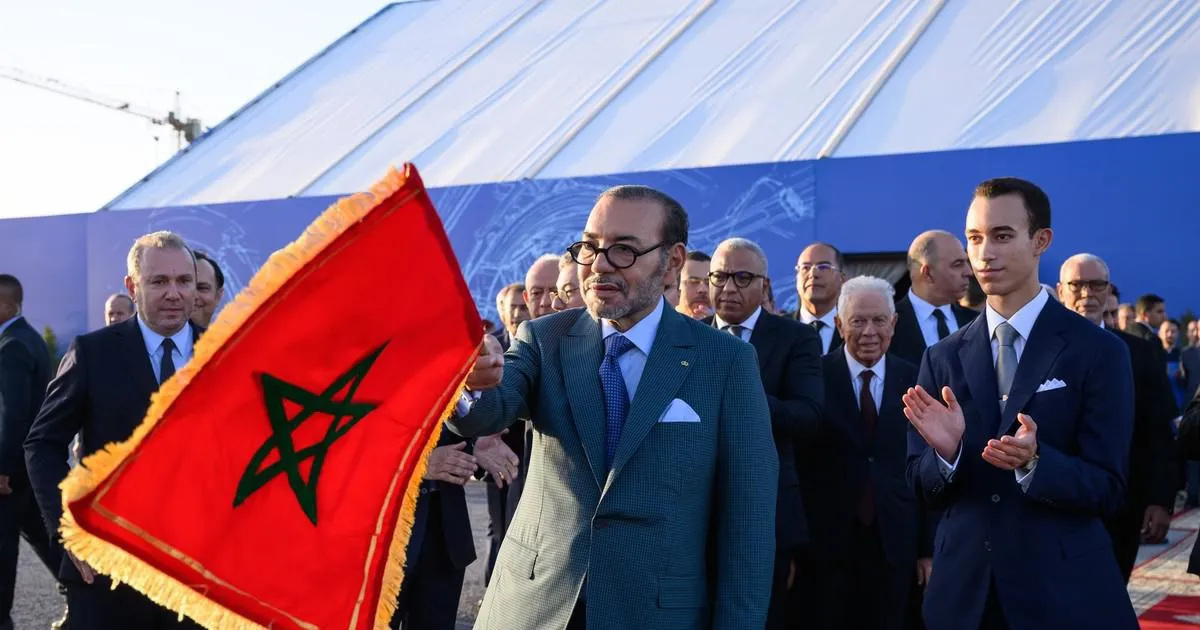
This underscores that reputation is no longer merely a matter of perception or media portrayal; it has become integral to a nation's competitiveness. A positive image influences tourists' destination choices, investor decisions, and trust in the economy and products, making reputation enhancement a multifaceted endeavor intersecting politics, economics, culture, and sports. Morocco's recent advancement in the reputation rankings is a testament to a cumulative effort driven by the vision of King Mohammed VI, who has championed initiatives aimed at modernizing the economy and infrastructure while enhancing the attractiveness of the nation for investment, positioning Morocco as a vital link between Africa and Europe within the international arena.
The implications of this strategic direction are evident in the growth of the industrial, tourism, transportation, and energy sectors, alongside substantial investments in ports, airports, and transport networks. Sporting achievements and the hosting of major events have further enriched Morocco's soft power, enabling the nation to project its image to a broader international audience. Thus, the improvement in Morocco's ranking is not merely coincidental but reflects a gradual and concerted effort aimed at ensuring that the external image aligns with internal realities. The strength of a nation's reputation becomes more entrenched when the narrative surrounding it is grounded in experiences that tourists, investors, and foreign partners can directly engage with.
On a global scale, the RepCore Nations ranking has witnessed notable changes, with Japan climbing seven places to secure the top position, overtaking Canada and Switzerland, followed by Australia and Denmark. Conversely, Israel recorded the most significant loss of points in a single year, continuing its downward trajectory since 2022, while Iran found itself at the bottom of the ranking. The United States remains within the ranks of nations perceived to have weak reputations, according to responses from participants in the G7 countries. The RepCore Nations 2026 report was based on over 124,000 evaluations collected in 36 countries, encompassing a study of 74 nations, with the final ranking focusing on the largest 60 economies globally based on GDP, utilizing 22 indicators to measure how the international public perceives various countries.
For Morocco, the significance of the 27th position lies not only in its sustained upward trajectory but also in the kingdom's ability to maintain its status as a frontrunner in both Africa and the Arab world. The broader value of this achievement rests in the capacity to convert accumulated trust and positive image into sustainable returns in tourism, investment, and economic growth, thereby rendering international reputation one of the fruits of a long developmental trajectory shaped by the royal vision, the results of which are becoming increasingly evident beyond Morocco's borders.
As reported by middle-east-online.com.