Transformative Infrastructure Development Ahead of the 2026 World Cup
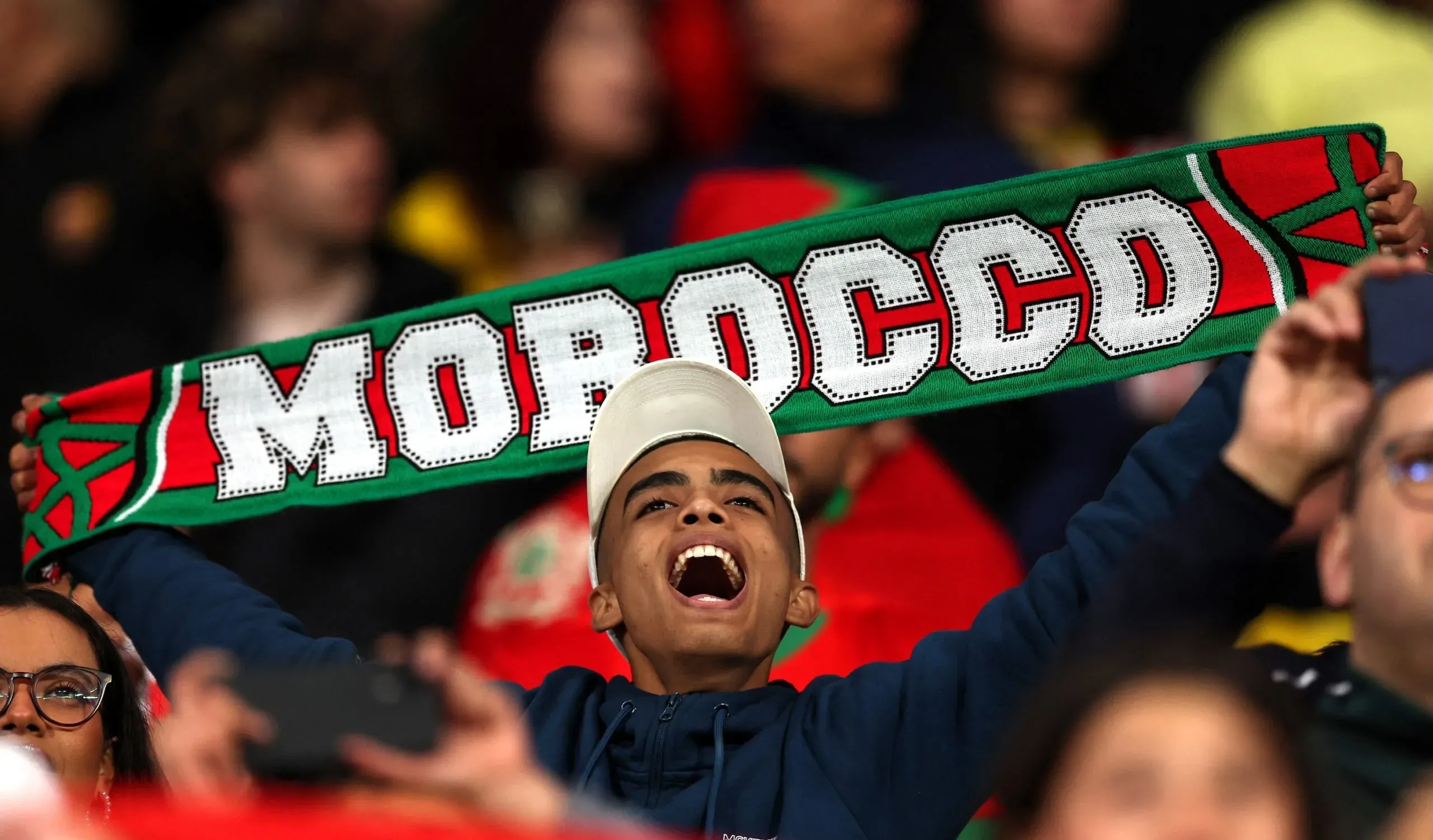
Morocco's remarkable journey to the semi-finals of the 2022 FIFA World Cup in Qatar marked a historic milestone as the first African nation to achieve such a feat, resonating across the globe. The celebrations ignited in Casablanca, with streets in Paris and London adorned with red flags, while the Cherifian Anthem echoed through Doha. As the nation gears up for an even more ambitious 2026 tournament, co-hosted with the United States, Mexico, and Canada, Morocco's preparations are well underway, with a focus on enhancing its sports, transport, and tourism infrastructure.
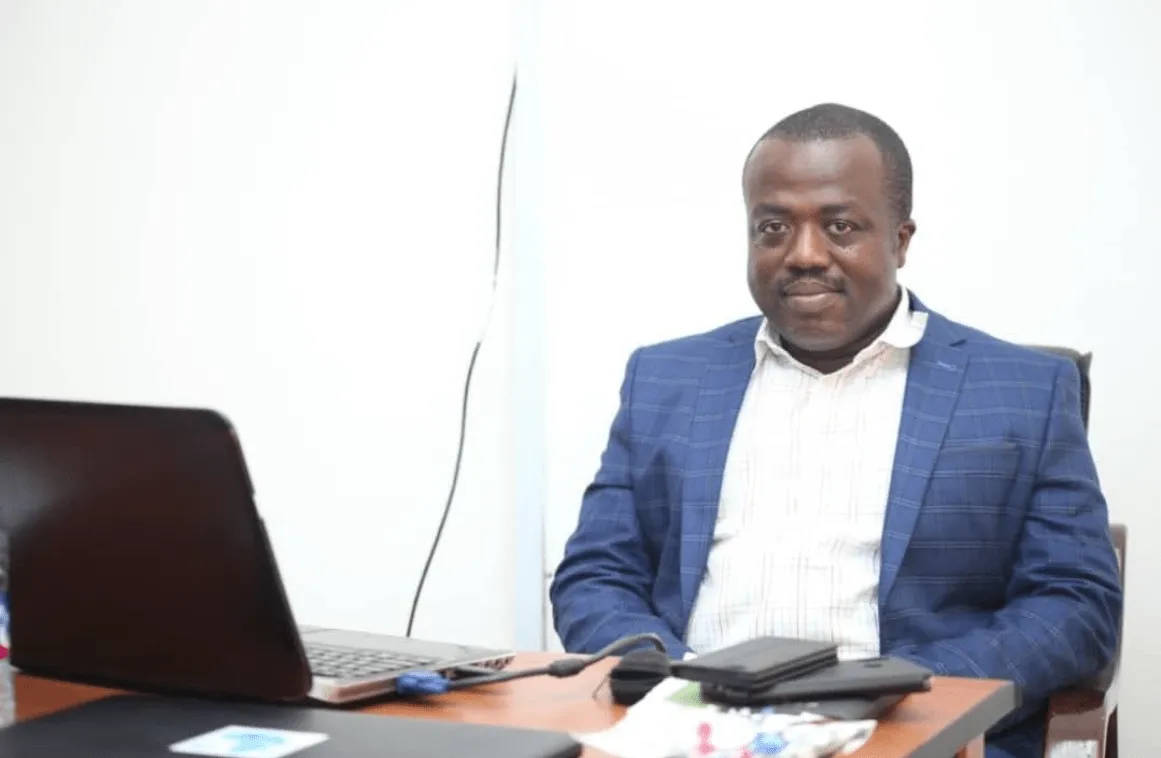
The success of this monumental event will not merely depend on the completion of various projects but will hinge on the seamless integration of these developments to provide an exceptional experience for visitors. Joel Jad Ortiz, founder of Emerald Star Consulting, emphasizes that while Morocco can construct state-of-the-art stadiums and modernize transport systems, the true measure of success will be reflected in the myriad of guest experiences. This includes ensuring smooth airport operations, efficient mobility between cities, robust food safety protocols, a multilingual workforce, and the reliability of digital payment systems. Furthermore, there must be a consistency between the luxurious expectations set and the operational reality presented to tourists.
Economic Implications and Growth Opportunities
In anticipation of the World Cup, Morocco is investing heavily in its infrastructure. The country is set to unveil what is projected to be the largest stadium in the world, the Grand Stade Hassan II de Casablanca, located in Benslimane, approximately 60 kilometers from Casablanca. Alongside this massive undertaking, six additional stadiums are undergoing renovations to ensure they meet international standards, initially preparing them for the African Cup of Nations. Furthermore, a significant $1.2 billion terminal is being constructed at King Mohammed V Airport, accompanied by extensive upgrades to high-speed rail and highway systems. The new Hassan II Stadium is expected to accommodate 115,000 spectators and generate thousands of jobs, both directly and indirectly, significantly boosting local employment, as noted by Aida Berrada from Colliers.
These enhancements will create a robust transportation network, linking Casablanca to Rabat and beyond, ultimately supporting Morocco's strategy for hosting the 2030 World Cup and fostering regional economic growth. High-speed trains are anticipated to connect major cities within three hours by the end of the decade, enhancing the nation's appeal as a travel destination. Nevertheless, analysts have raised concerns regarding Morocco's escalating debt levels as it invests in these ambitious projects. While the country holds an investment-grade rating from S&P, it faces scrutiny from Moody's and Fitch, which have issued cautionary warnings about the potential financial implications of these large-scale expenditures. The reality for many Moroccan citizens, where unemployment rates hover around 13%, adds another layer of complexity to the situation.
Despite these challenges, Morocco is poised to invest approximately $4 billion to add 25,000 hotel rooms ahead of the World Cup, significantly increasing its accommodation capacity. With a current pipeline of 75 new hotels, the country is second only to Egypt in hotel development within Africa. Ortiz notes that the pace at which Morocco is transitioning from announcing to executing projects is impressive, highlighting the nation's momentum in preparation for the upcoming tournament. As occupancy rates and pricing in Moroccan hotels rise due to increased tourist arrivals, the challenge remains for the country to deliver a world-class experience to all visitors.
As reported by agbi.com.