Morocco Joins Forces with Spain and Portugal for the 2030 World Cup
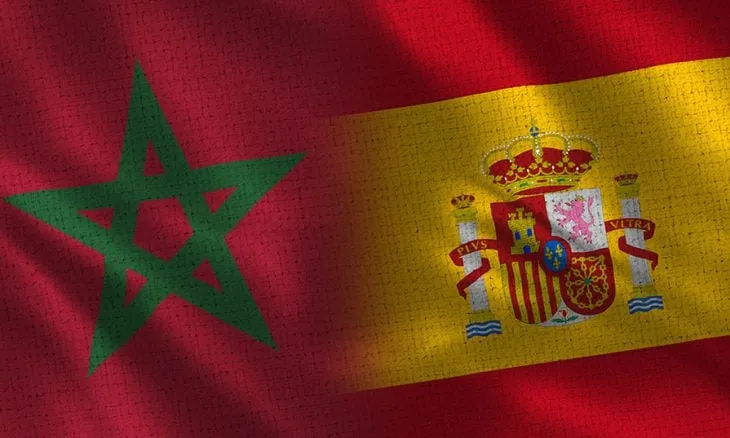
When the opportunity arose for countries to bid for hosting the 2030 FIFA World Cup, Morocco skillfully navigated diplomatic waters, initially persuading Spanish Prime Minister Pedro Sánchez to accept Morocco as a co-host alongside Spain and Portugal. This collaboration marked a significant achievement for Morocco, as it secured its position as a partner in this prestigious global event. However, the negotiations did not stop there; Spain eventually conceded some of its allocated matches, allowing Morocco to host a portion of the tournament on its home soil. This strategic maneuvering demonstrated Morocco's determination to carve out a role in the upcoming World Cup.
Morocco’s Strategic Agenda and Subsequent Betrayal
Reports suggest that Spain's acceptance of Morocco's involvement came with the expectation that Morocco would support the final match being held in either Madrid or Barcelona, effectively ensuring that Morocco would not obstruct this goal. Yet, in an effort to showcase its capability to organize the World Cup, Morocco developed a multi-faceted agenda that involved intricate behind-the-scenes negotiations, leveraging influence within the African football governing body, and questionable tactics. Key components of Morocco's strategy included hosting the African Cup of Nations in 2025 and rallying national pride with promises of winning the World Cup in 2026 or reaching the finals. Additionally, ambitious plans were laid out for constructing a monumental stadium named after King Hassan II, pitched as the largest in Africa, with a timeline that misleadingly suggested completion by 2032.
However, Morocco's ambitions began to crumble, akin to sandcastles washed away by the tide, as the national team failed to win the African Cup of Nations on home soil. Instead of accepting defeat gracefully, Morocco resorted to influence within the African football community, resulting in a controversial decision that awarded the Cup to Morocco through dubious means. Following this, the team's underwhelming performance in the 2026 World Cup, where they exited in the quarter-finals, compounded their setbacks.
In a surprising turn of events, Morocco's relationship with Spain soured. The nation that once stood shoulder to shoulder with Spain in organizing the tournament began to betray its ally. Morocco announced plans to expedite the completion of the Hassan II Stadium, originally slated for 2032, to host the 2030 World Cup final, directly competing with Spain. Reports from "The Objective" on July 10 indicated that Moroccan envoys in the United States were actively working to secure majority support from various continental football federations in anticipation of a vote later this year to determine the host for the final match. Morocco's diplomatic efforts reportedly garnered backing from numerous football federations across Africa, Asia, North America, and Oceania, all while forming alliances with influential countries like Qatar and Saudi Arabia, and receiving support from FIFA President Gianni Infantino and former President Donald Trump.
This perceived betrayal has left Spain in disbelief, prompting outrage and condemnation from the Spanish media, who characterized Morocco's actions as theft and disloyalty, suggesting that a nation with self-respect would never resort to such duplicitous tactics. Many Spaniards speculate that Morocco's boldness in competing for the 2030 final may be fueled by support from the United States and Israel, leveraging political tensions stemming from Spain's stance on Gaza and its opposition to military action against Iran. In the words of an old adage, beware the wrath of those you have helped.
As reported by echoroukonline.com.