Morocco's Firm Position on Regional Stability
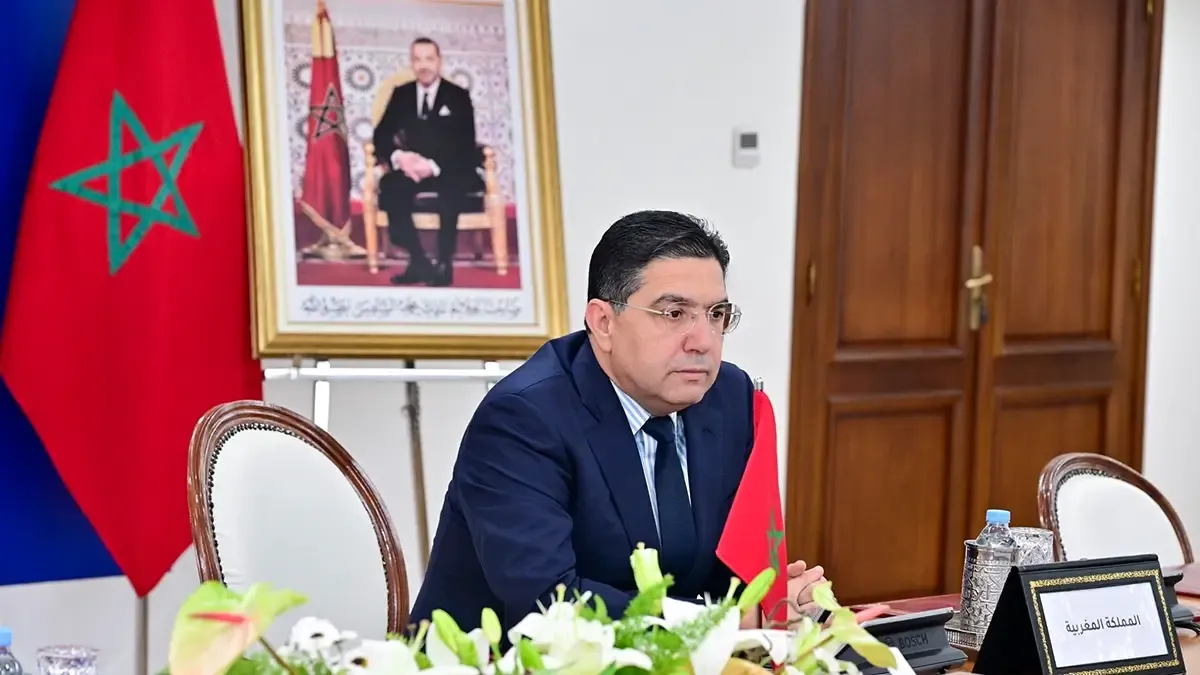
On Tuesday, Morocco's Foreign Minister, Nasser Bourita, participated in a special session of the Arab League Council held via videoconference. This meeting was convened at a particularly sensitive time in the Middle East, focusing on Iran's actions in the region and their impact on the stability of Arab nations. The gathering underscores a growing momentum within the Arab bloc to forge a unified stance against what several governments perceive as Iran's persistent interference in regional affairs.
Beyond mere rhetoric, the primary objective of this assembly is to coordinate political and diplomatic responses that enhance regional security without directly escalating conflicts. From Rabat, the message has remained unchanged: Morocco has consistently condemned Iranian actions while expressing support for the affected Arab countries. Diplomatically, this translates to backing any measures that seek to protect state sovereignty and internal security within the framework of international law.
Shifting Dynamics Amidst Regional Tensions
However, the current context introduces a significant nuance. Morocco has also positively acknowledged the recent gestures of détente between the United States and Iran, particularly the announcement of a ceasefire and the opening of negotiation channels. In Rabat, this is seen as a fragile opportunity to ease tensions in a region fraught with overlapping conflicts. The session was initiated by Bahrain, which holds the rotating presidency of the Arab League's ministerial council, reflecting a shared concern: the need for active vigilance against any deterioration of regional equilibrium, even in a scenario that appears to be de-escalating.
More broadly, this diplomatic movement aligns with a trend that has been solidifying in recent months, wherein Arab countries seek greater strategic coordination in the face of external actors while attempting to avoid being caught in the crossfire of tensions between powers like the United States and Iran. Although the ceasefire remains in its early stages, it does not erase the accumulated distrust, yet it opens a window that many in the region are keen not to overlook. For Mediterranean and Atlantic leaders, this initiative aims to serve as a bridge of communication, information, and understanding between diverse cultures.
As reported by atalayar.com.