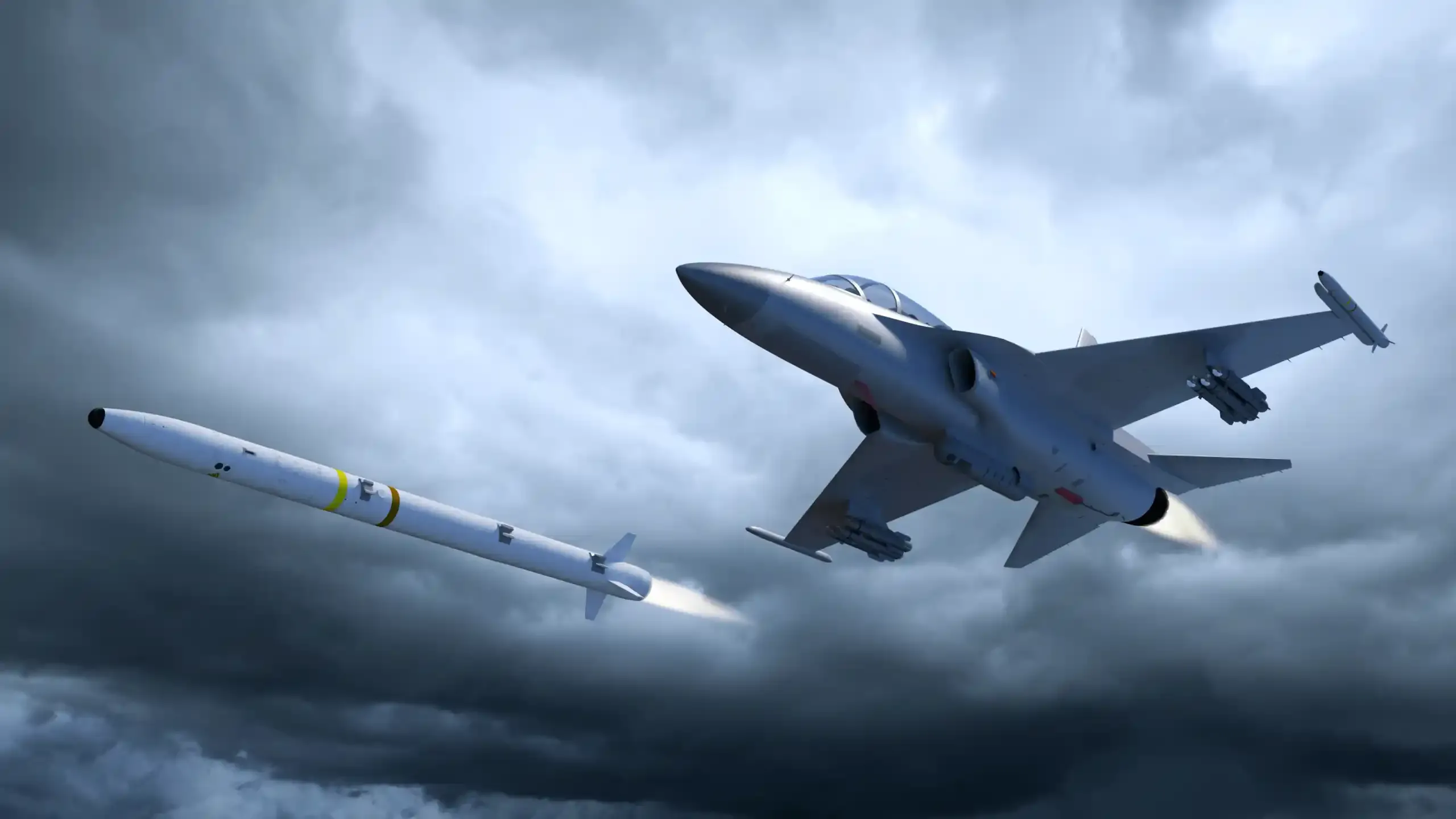

The Royal Moroccan Air Force has taken a significant step toward modernizing its fleet by signing a contract with Korea Aerospace Industries (KAI) for the procurement of FA-50 fighter jets during the Marrakech International Air Show 2026. This procurement is part of Morocco's broader strategy to enhance its military capabilities, particularly in advanced training and combat missions. The FA-50 is a versatile aircraft that combines advanced training characteristics with the operational capabilities of a lightweight multi-role fighter, thereby serving dual purposes effectively.
The inclusion of the FA-50 jets is expected to complement Morocco's existing F-16 fleet, bolstering the operational capabilities of the Royal Moroccan Air Force while also providing a modern platform for both training and operational tasks. Built on the advanced training platform of the T-50 Golden Eagle, the FA-50 can reach a maximum speed of approximately 1.5 Mach and has a maximum takeoff weight of about 12.3 tons. Its design allows it to carry a variety of guided munitions and missiles, including AIM-9 Sidewinder missiles and precision-guided air-to-ground munitions.
The signing of this contract during the Marrakech International Air Show marks a significant milestone in strengthening defense cooperation between Morocco and South Korea. This partnership highlights South Korea's growing presence in the Moroccan defense market, particularly with the introduction of the FA-50 fighter jet program. The FA-50 is engineered as a lightweight multi-role fighter developed from the T-50 advanced training platform, designed to provide a blend of advanced training capabilities and combat missions.
With a maximum speed of around 1.5 Mach and an operational ceiling of approximately 14.6 kilometers, the FA-50 boasts a combat radius of nearly 444 kilometers, which can be extended with additional fuel tanks. The aircraft is capable of carrying nearly 3.7 tons of weapons and equipment on external hardpoints and features an internal 20mm cannon. It can utilize various air-to-air and air-to-ground munitions, including AIM-9 Sidewinder missiles, JDAM munitions, and laser-guided bombs.
The FA-50 is equipped with a fire control radar, and the latest versions come with advanced options such as an AESA radar that enhances its ability to detect and track aerial targets, enabling long-range engagements when combined with suitable missiles. The aircraft's versatility allows it to perform various roles, including air combat, ground attack, close air support, interception, armed reconnaissance, and advanced training, making it an ideal solution for air forces seeking a cost-effective alternative to heavier fighters.
One of the FA-50's strengths lies in its design and components sourced from Western origins, with the potential to integrate various weapon systems based on customer requirements. Future configurations may include the integration of AIM-120 AMRAAM long-range air-to-air missiles with AESA radar, enhancing its air combat capabilities beyond visual range. The aircraft also leverages advanced avionics, a HOTAS (Hands-On Throttle and Stick) system, digital displays, and modern navigation and communication systems, along with adaptable electronic protection systems tailored to user specifications.
In light of these attributes, the FA-50 represents a balanced solution between advanced training aircraft and lightweight fighters, effectively training pilots in environments similar to modern combat jets while simultaneously executing actual combat missions when equipped with appropriate armaments.
Strengthening Korean-Moroccan Cooperation
The Moroccan-South Korean cooperation has expanded significantly in recent years, evolving beyond mere trade exchanges to encompass defense industries, technology, infrastructure, energy, education, and technology transfer. This growing partnership is further exemplified by the recent FA-50 fighter jet contract, symbolizing a pivotal moment in defense collaboration. Morocco's interest in other Korean systems and equipment opens doors for cooperation that extends beyond equipment sales to include training, maintenance, technical support, and expertise transfer.
South Korea is actively working to deepen its presence in the Moroccan defense market, capitalizing on Morocco's strategic location and developed industrial base. In contrast, Morocco views collaboration with Seoul as an opportunity to diversify its sources of military supplies and enhance domestic defense manufacturing capabilities while facilitating technology transfer and expertise sharing. This aligns with Morocco's objective to establish a national defense industry capable of producing, maintaining, and developing a growing array of military systems and equipment.
Moreover, the cooperation extends into the automotive industry, where South Korean companies have solidified their presence within Morocco's automotive manufacturing sector, benefiting from the country's industrial growth and production facilities aimed at European and African markets. In infrastructure and transport, Moroccan-Korean collaboration has materialized through participation in urban transport, rail, energy, and infrastructure projects, as Morocco seeks to enhance its transport networks and logistical capacities in preparation for major economic and sporting events.
The energy sector also represents a burgeoning area for collaboration, particularly in renewable energy, green hydrogen, and technologies associated with the energy transition. This aligns with Morocco's strategy to develop clean energy sources and strengthen its position as a potential hub for the production and export of green energy, leveraging South Korea's extensive industrial and technological expertise in this domain.
Technological and digital collaboration is also a significant aspect of the bilateral relations, with increasing interest in artificial intelligence, digital transformation, smart cities, and the development of digital skills. Partnerships in this area allow Moroccan companies to benefit from Korean expertise in building advanced industrial and technological systems while providing Korean firms with access to the Moroccan market as a gateway to Africa.
On the educational and training front, collaboration programs between Moroccan and Korean institutions have evolved, particularly in engineering, technology, applied sciences, and vocational training. Knowledge transfer and skill development are core elements of the Korean model of cooperation with international partners, aligning with Morocco's objectives to enhance the qualifications of its human resources and support high-value-added industrial sectors.
The economic and trade collaboration also plays a pivotal role, with both nations aiming to increase and diversify their trade exchanges. The Moroccan market serves as a crucial platform for Korean companies to access African markets, while Korea provides Morocco with an industrial and technological partner with extensive experience in advanced sectors. This growing partnership exists within a broader context of intensifying South Korean engagement in Africa, as Seoul views Morocco as one of the continent's key economic and industrial centers, thanks to its geographic location, network of trade agreements, industrial development, infrastructure, and access to European and African markets.
As reported by defense-arabic.com.