
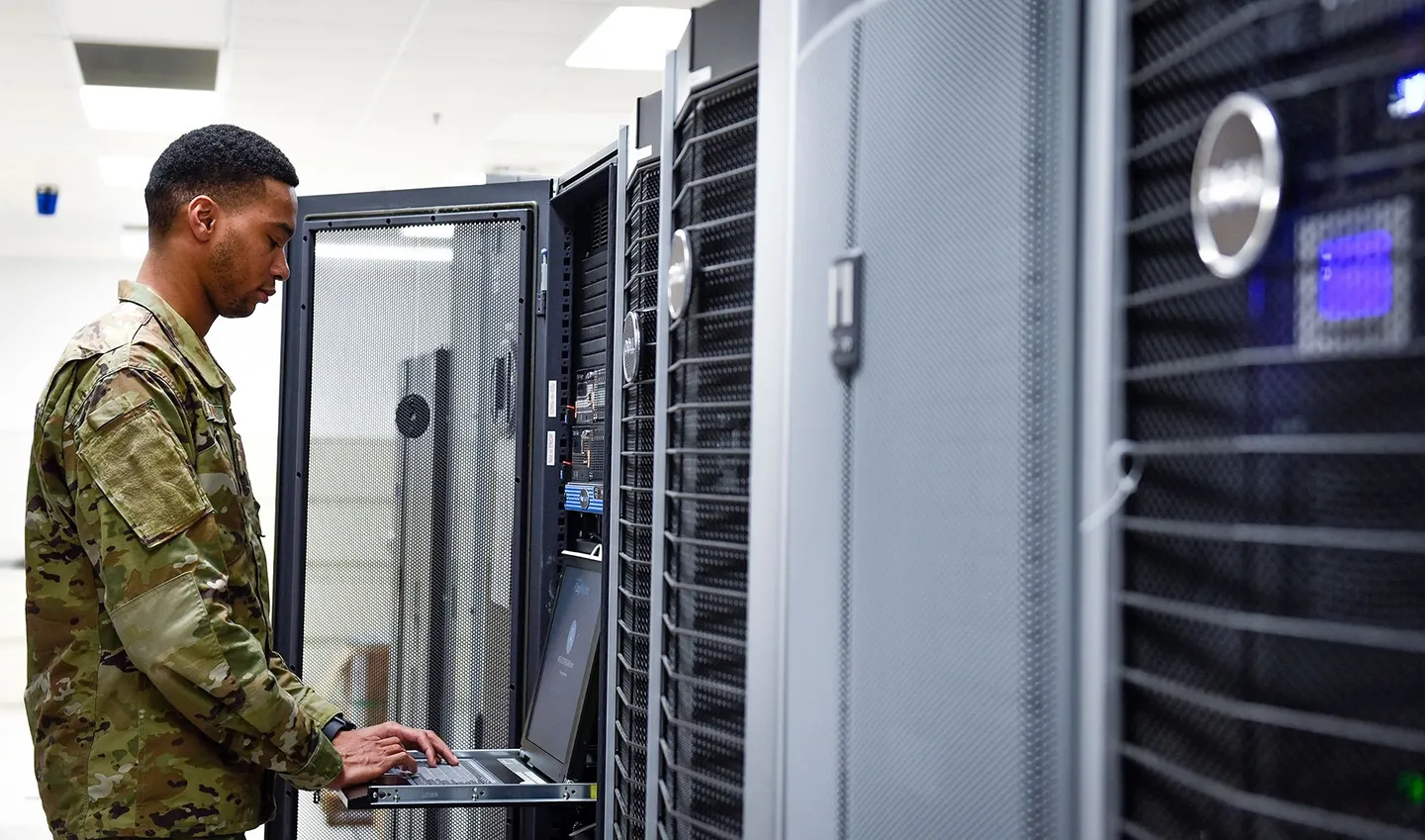

Strengthening Cyber Defense Capabilities
Morocco's Royal Armed Forces (FAR) have recently implemented an advanced cyber defense platform aimed at bolstering their capabilities in real-time threat detection, automated incident response, and digital forensics. The Garda Cyber Command Suite, developed by Lyntris, a renowned technology firm based in the United States, leverages artificial intelligence (AI) to meticulously assess threats to network infrastructures and identify potential attack patterns. This sophisticated system integrates various components, including sensors, radar, and electro-optical devices, to create a cohesive operational picture. Notably, nations such as Armenia and Taiwan are also utilizing this advanced technology, showcasing its global relevance.
Operational Excellence in Cybersecurity
The Garda system was specifically designed to ensure that a nation's network systems remain operational even in scenarios where communication may be compromised or degraded. This functionality is crucial for military operations that need to maintain seamless communications in remote and challenging environments. As highlighted by Lyntris, the implementation of Garda Cyber and Quasar has been executed across more than 100 monitored sites in Morocco, Armenia, and Taiwan, with operators conducting real defensive cyber missions shortly after deployment.
In Morocco, the system boasts an impressive workforce of between 150 and 200 operators, encompassing a main command center, three mobile command-and-control platforms, three regional operations centers, and 65 sensor sites. Additionally, the platform is operational on six naval vessels. However, specific details regarding the cost of the system and the timeline for its implementation remain undisclosed, along with the precise nature of the Moroccan infrastructures being safeguarded.
Experts in strategic and security research, like Hichem Moatadhid, emphasize Morocco's growing engagement in technology transfer and the training of personnel to effectively operate and maintain such advanced systems. Military priorities have evolved to include AI, drones, contemporary battlefield communications, and cyber defense, recognizing the significant impact that cyber threats can have on military operations. The ability to infiltrate a military network can disrupt essential communications, while the manipulation of sensor data can have far-reaching implications for decision-making processes, often surpassing the effects of traditional weapons in modern warfare.
Incorporating cyber defense into command and control frameworks, alongside sensors and AI, positions Morocco on a trajectory toward developing an interconnected combat architecture, where data itself becomes a critical element of military strength. Furthermore, Lyntris reports that Morocco is also utilizing the Garda C2 platform, which amalgamates data from various sensors, providing commanders and operators with real-time situational awareness. Recently, personnel from the Moroccan Royal Armed Forces underwent a two-week training session on this system in San Diego.
The deployment of Garda systems coincides with the expanding military collaboration between Rabat and Washington, which has evolved beyond mere arms transactions and military exercises. A significant initiative in this partnership is the establishment of the Africa Multidomain Training and Experimentation Center (AMTEC) in Morocco. Scheduled to open in Tan-Tan by 2030, AMTEC will feature a multifaceted training area, a drone academy, and an innovation and experimentation center. In a notable development, FAR and U.S. Africa Command formalized their commitment through a memorandum of understanding on July 13 at AFRICOM headquarters.
The multidomain training area is designed to prepare soldiers for utilizing various weapon systems, defensive mechanisms, and communication platforms effectively. The drone academy is set to train operators, instructors, and planners from Morocco and other African countries, enhancing their capabilities to combat terrorist threats in West Africa. AMTEC's vision is to foster partnerships with academic institutions, embedding experts into cross-functional design teams to drive innovation and development.
Ultimately, the first live-fire demonstration involving Moroccan and U.S. forces, held from August 3 to August 7, marks a pivotal step in realizing AMTEC's vision of becoming a regional hub for innovation, strategic cooperation, and industrial development. Colonel Zouhair El Hamdani, the FAR officer overseeing coordination, articulated the importance of this milestone, emphasizing AMTEC's dedication to the experimentation, validation, evaluation, and development of cutting-edge technologies.
As reported by adf-magazine.com.