Morocco's Rise in Arms Imports and the Reality Behind the Statistics
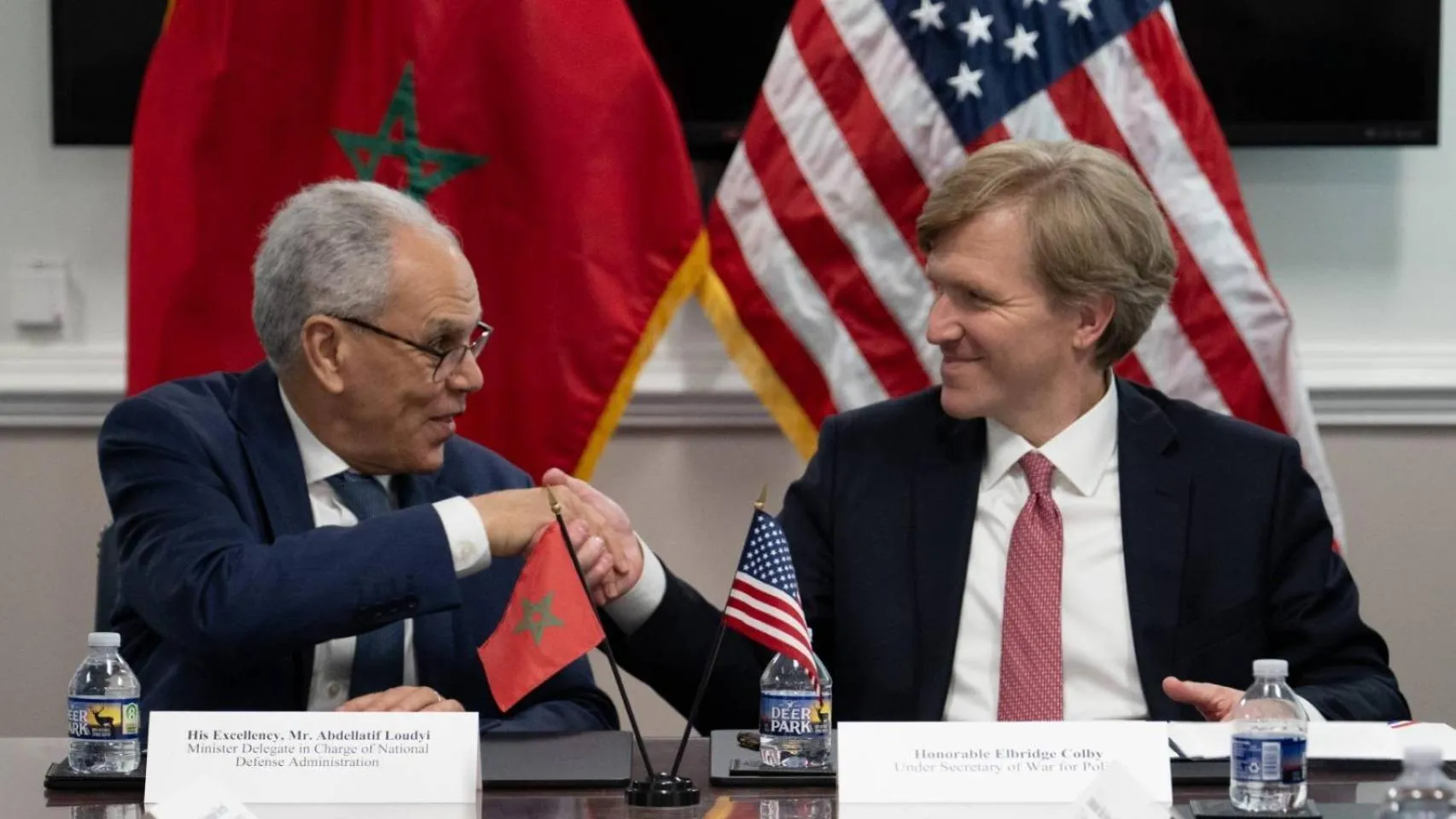
The Stockholm International Peace Research Institute (SIPRI) paints a striking yet partial picture of the arms trade in Africa. Between 2021 and 2025, Morocco has ascended to the position of the continent's largest importer of weapons, surpassing its strategic rival, Algeria, for the first time. However, beneath this seemingly clear statistical assertion lies a considerably murky reality, characterized by military secrecy, market discrepancies, and an arms race that continues to redefine the balance of power in the Maghreb, with Spain as a direct neighbor.
The data is compelling: arms imports across Africa have plummeted by 41% over the past five years, with two notable exceptions: Morocco and Algeria, which account for the majority of purchases. Rabat has increased its arms acquisitions by 12%, while Algeria has experienced a staggering 78% decline, according to SIPRI. This discrepancy positions the Moroccan kingdom at the top of the continental ranking.
Yet, SIPRI's methodology—relying on declared transfers and public contracts—excludes a substantial portion of the market. This exclusion raises the question of which country truly imports more arms. "The classification is accurate concerning public arms transfers, but it is not at all reflective of the reality," warns Akram Kharief, founder and director of the specialized portal MenaDefense, in a conversation with El Independiente. His argument points directly to the heart of the matter: Algeria's structural opacity.
The Hidden Dynamics of Algeria's Arms Procurement
Kharief describes a tight-lipped confidentiality system between Algeria's Ministry of Defense and suppliers such as Russia's Rosoboronexport, the state agency responsible for exporting weaponry, military technology, and defense services abroad. "If the Russians publish any document related to Algeria, the contract is voided," he asserts. This non-disclosure policy renders Algeria an invisible player in international statistics.
The outcome is an evident bias in the data. While countries like India and Egypt are meticulously detailed in records, Algerian contracts—including high-value systems like the Su-35 fighter jets or even the more advanced Su-57—remain off the radar. "It is normal for Algeria not to appear as the top importer," Kharief adds, "but that does not reflect the reality."
The inquiry then shifts to the military budgets of both nations. Algeria allocates approximately double the resources to defense compared to Morocco, despite having comparably sized armed forces. "This implies that Algeria imports, at a minimum, double what Morocco does," Kharief posits.
However, the equation does not end there. The origin of the weaponry introduces an additional distortion. Algeria primarily purchases from Russia and China, where the systems are significantly cheaper than Western counterparts. In contrast, Morocco has turned to suppliers like the United States, France, and Israel, whose equipment—particularly the Israeli systems—carries higher margins. In terms of the actual volume of material, the gap could be even broader than budget figures suggest.
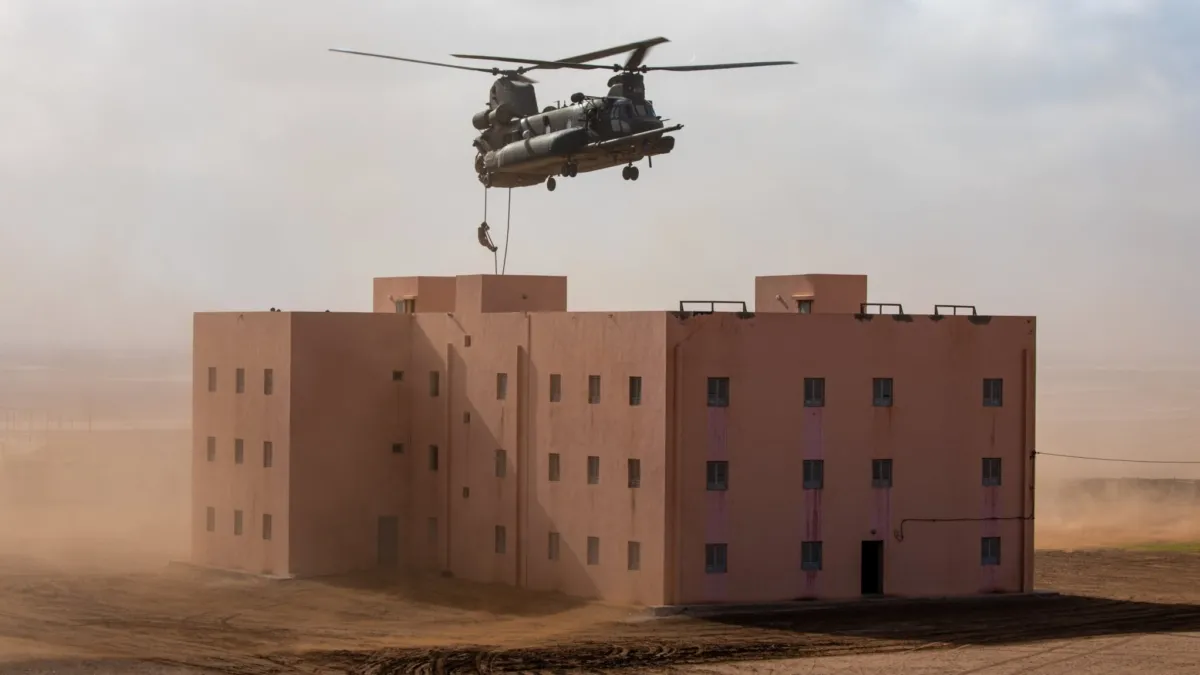
"We can assert that Algeria is purchasing significantly more in both quantity and quality, much more than double what Morocco buys," concludes the analyst. The arms rivalry between the two countries is not new, but it has intensified over the past decade. Tensions over Western Sahara—the former Spanish colony that remains a non-autonomous territory pending decolonization—along with the breakdown of diplomatic relations and competition for regional influence, have fueled a sustained rearmament logic. Morocco has modernized its military doctrine, transitioning from a strategy centered on regime protection to a more offensively oriented and technologically advanced approach. Algeria, for its part, has bolstered its capacities with state-of-the-art systems, albeit shrouded in almost total secrecy.
In this context, SIPRI's data offers a partial yet useful snapshot. The institute itself acknowledges that its estimates regarding Algeria may be "understated" due to unverified reports of recent agreements with Russia. The conclusion is uncomfortable for those seeking certainties: Morocco is, on paper, Africa's largest arms importer. However, in practice, the balance remains uncertain. Amid secret contracts, disparate prices, and divergent strategies, the arms race in the Maghreb continues to unfold, not just in the realm of statistics but in the shadows of geopolitical maneuvering.
As reported by elindependiente.com.