Morocco's Unique Position in the 2026 World Cup Tax Landscape
As the 2026 World Cup approaches, all 48 qualified teams are set to receive the same prize money from FIFA. However, the actual amount that each federation retains can vary significantly due to differing tax obligations. The United States has not provided a blanket tax exemption for all participating nations, which means that teams competing on American soil may face a range of federal, state, and local taxes on their tournament-related earnings. This situation creates a stark divide between countries that have established double-taxation treaties with the U.S. and those that do not. Among the 48 nations, only 18 possess such agreements, and notably, Morocco is one of them, alongside countries like Australia, Egypt, and South Africa.
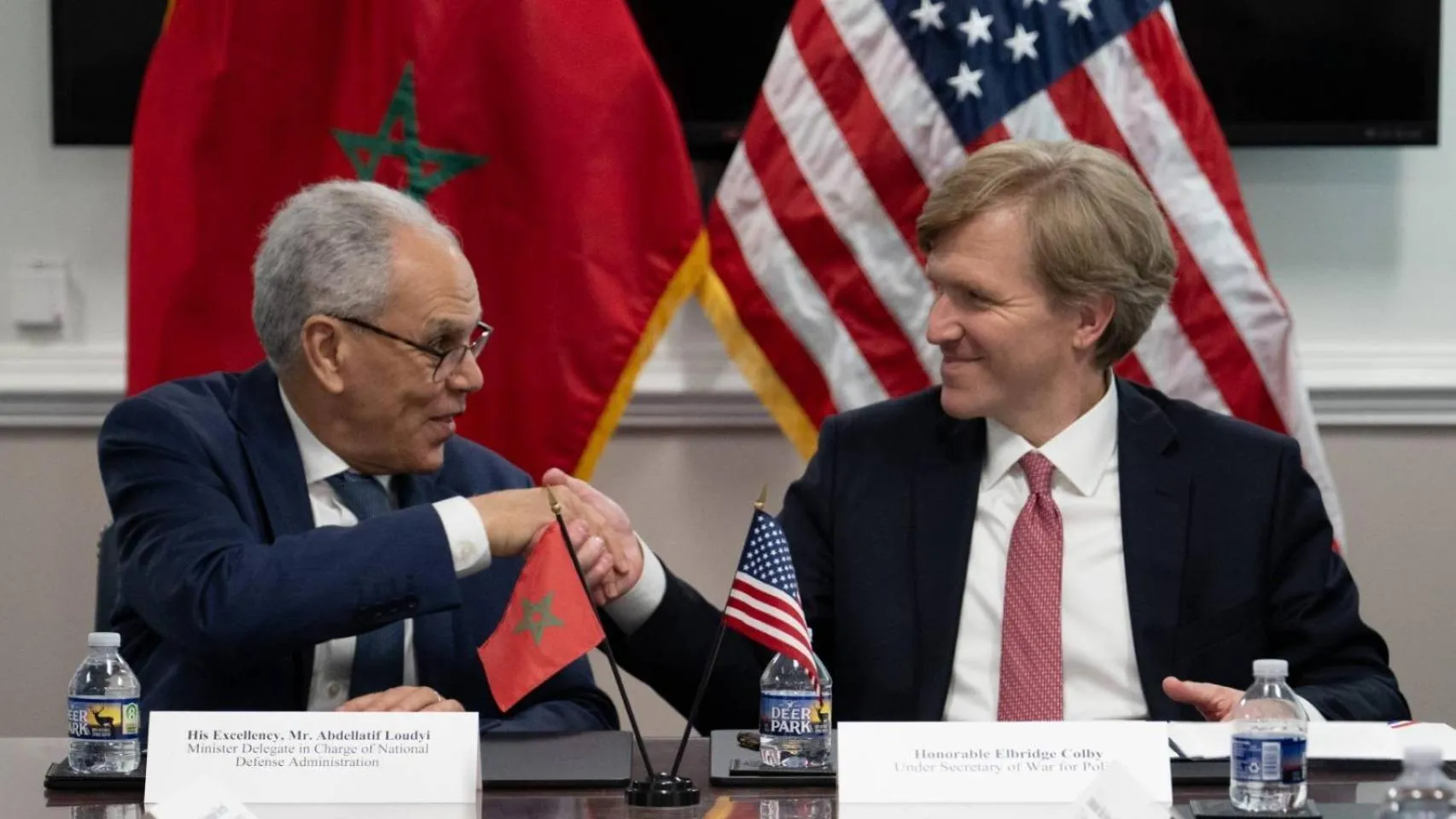
Morocco's advantageous position stems from a long-standing tax treaty with the U.S. established on August 1, 1977, which came into effect on December 30, 1981. This treaty aims to prevent double taxation and applies specifically to U.S. federal income taxes. However, it does not entirely shield Moroccan citizens from U.S. tax liabilities. According to guidelines from the U.S. Internal Revenue Service (IRS), Moroccan residents temporarily working in the U.S. may be exempt from income tax under certain conditions, such as staying fewer than 183 days and being employed by a Moroccan firm without a permanent establishment in the U.S. It's important to note that professional athletes, including those from Morocco, are not exempt unless their services are provided for a nonprofit organization. Consequently, while the tax treaty offers Morocco's football federation and its operational income some protection, athletes' individual earnings could still be taxed in the U.S.
Financial Implications and Match Locations
The financial landscape for the upcoming World Cup is already challenging. FIFA has allocated an operational budget of $1.5 million per team, but the daily living allowance for delegation members has decreased from $850 during the 2022 World Cup to $600 for 2026, even as travel and accommodation costs are rising across North America. In a favorable contrast, Canada and Mexico have extended full tax exemptions to all participating federations, which means that teams competing in these countries will enjoy fewer deductions. In stark contrast, the U.S. tax system varies significantly from state to state, with tax rates ranging from 0% in Florida to as high as 13.3% in California. This disparity could have substantial financial implications based on the locations of the teams' group and knockout matches.
For Morocco, all group-stage matches will occur within the U.S. tax jurisdiction. The scheduled fixtures include a game against Brazil in New Jersey on June 13, a match against Scotland in Massachusetts on June 19, and a clash with Haiti in Georgia on June 24. As a result, Morocco will not benefit from the broader tax exemptions available in Canada or Mexico. While the 1977 tax convention provides Morocco with considerable protection, it does not address all aspects of taxation. Players' earnings remain vulnerable to U.S. tax regulations, and the financial outcome for the Moroccan team will ultimately depend on the specific states in which they compete and the IRS's application of its tax rules. As reported by moroccoworldnews.com.