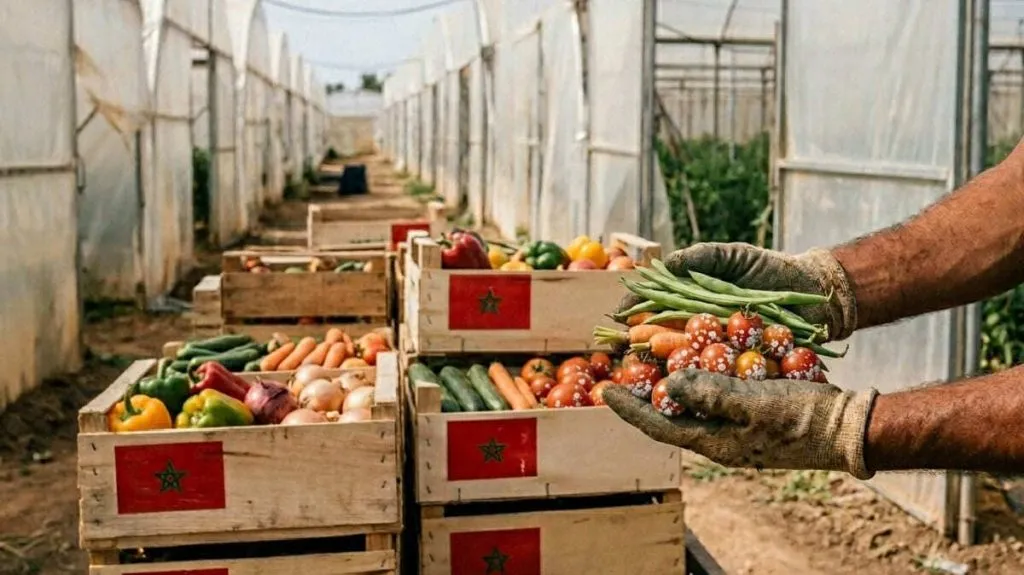
Morocco Faces European Agricultural Ban Amid Health Scandal
On April 18, 2026, Morocco finds itself embroiled in a significant global scandal, as several European nations and Russia have imposed bans on a range of agricultural products originating from the country. These measures have been taken following revelations regarding serious health and safety violations, with the products reportedly containing harmful pathogens and plant viruses that pose risks to both consumers and local agricultural ecosystems. The Russian Federal Service for Veterinary and Phytosanitary Surveillance reported the confiscation and destruction of a large shipment of fresh Moroccan tomatoes, which tested positive for the "mosaic virus." This incident occurred during a routine inspection in the Kaliningrad region, where inspectors noticed abnormal indicators, leading to the seizure and destruction of approximately 1.2 tons of tomatoes to prevent the spread of infection to Russian crops.
In Europe, the situation has escalated, with experts and farmers expressing growing concerns over the use of toxic chemicals in Moroccan fruits and vegetables. In France, economic stakeholders have initiated a campaign to block the import of these products, urging authorities to prioritize consumer health over commercial interests. They have emphasized that the shipments from Morocco lack the essential quality standards required by the European Union. Moreover, reports from Spanish and French media have described the situation as "alarming," with French parliamentarian Benoît Biteau labeling the arrival of these products in markets as a "health scandal," reminiscent of the asbestos crisis. He has called for stringent measures to protect public health from the dangers posed by unauthorized pesticides and chemicals originating from Morocco.
This is not the first time that Moroccan agricultural products have faced scrutiny in France. A prior investigation aired by French channel M6 revealed that phosphate fertilizers imported from Morocco contained high levels of cadmium, prompting the French National Agency for Health Safety to recommend reducing cadmium levels in these fertilizers. However, the French government has yet to act on this recommendation, highlighting ongoing concerns regarding the safety of Moroccan agricultural exports.
As reported by elayem.news.