The Role of Civil Society in Combatting Corruption
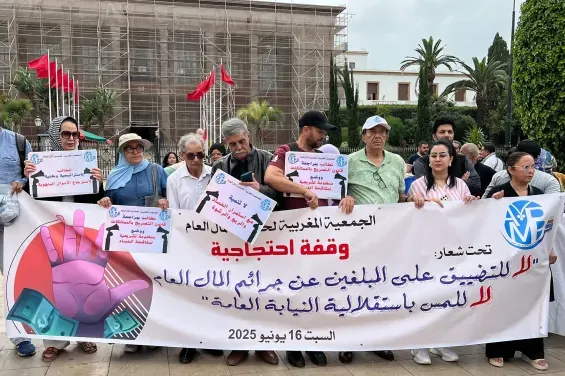
Civil society organizations in Morocco have historically played an instrumental role in the battle against financial corruption by monitoring potential irregularities within elected officials and facilitating the prosecution of numerous cases. These organizations have been pivotal in bringing various parliamentarians, public officials, and local representatives to justice for their misdeeds. A notable case involved the former minister and president of the Fquih Ben Salah municipal council, Mohammed Moubdii, who recently received a 13-year prison sentence for embezzlement and misappropriation of public funds. However, the introduction of the new Code of Criminal Procedure, set to take effect in December 2025, has raised significant concerns regarding the future of these organizations' roles in reporting corruption.
Legal Restrictions and Controversies
The impending Law No. 03.23, which amends and supplements the Code of Criminal Procedure, imposes severe restrictions on civil society's ability to file direct complaints against individuals suspected of corruption. Article 3 of this law stipulates that only the Prosecutor General can initiate investigations and public prosecutions concerning crimes affecting public funds, based on referrals from authorized bodies such as the Court of Auditors or the National Authority for Probity, Prevention and Fight against Corruption. Furthermore, Article 7 limits the right to file complaints exclusively to organizations recognized as being of public benefit and legally authorized to litigate by the justice department.
This legislative change has sparked a robust debate between government officials and human rights advocates, with many organizations expressing their discontent over what they perceive as an erosion of civil society's power to combat corruption. Critics argue that the law undermines the crucial role that civil society plays in ensuring accountability and transparency, especially given Morocco's ongoing struggles with corruption. The Economic, Social and Environmental Council (CESE) has also raised concerns, indicating that these restrictions conflict with existing laws that punish the failure to report crimes.
In defense of the reform, Justice Minister Abdellatif Ouahbi asserts that the oversight of financial crimes should be confined to public institutions with the appropriate legal authority. He contends that a significant number of complaints filed are malicious and do not lead to legal outcomes, instead serving to harass individuals and tarnish their reputations. However, this defense has not quelled the fears voiced by civil society leaders, with many arguing that the changes are less about reform and more about silencing dissent against corruption.
El Badali, vice-president of the Moroccan Association for the Protection of Public Funds, expressed concern that the government's recent actions indicate a shift toward protecting corrupt practices rather than addressing them. He argues that these amendments aim to diminish the influence of anti-corruption organizations, violating constitutional rights designed to empower civil society. Similarly, Souad Brahma, president of the Moroccan Association for Human Rights (AMDH), has criticized the law as a backward step that diminishes the constitutional role of organizations in holding public officials accountable. Her organization faced obstacles in pursuing a complaint regarding alleged corruption during the Covid-19 pandemic, highlighting the law's immediate implications on civil society's capacity to act.
As Morocco continues to grapple with corruption, currently ranked 91st out of 180 countries on Transparency International's Corruption Perceptions Index, the implications of these legal reforms raise crucial questions about the future of civil society's role in promoting transparency and accountability in governance.
As reported by en.yabiladi.com.