
The Emerging Migration Wave from Morocco to Spain
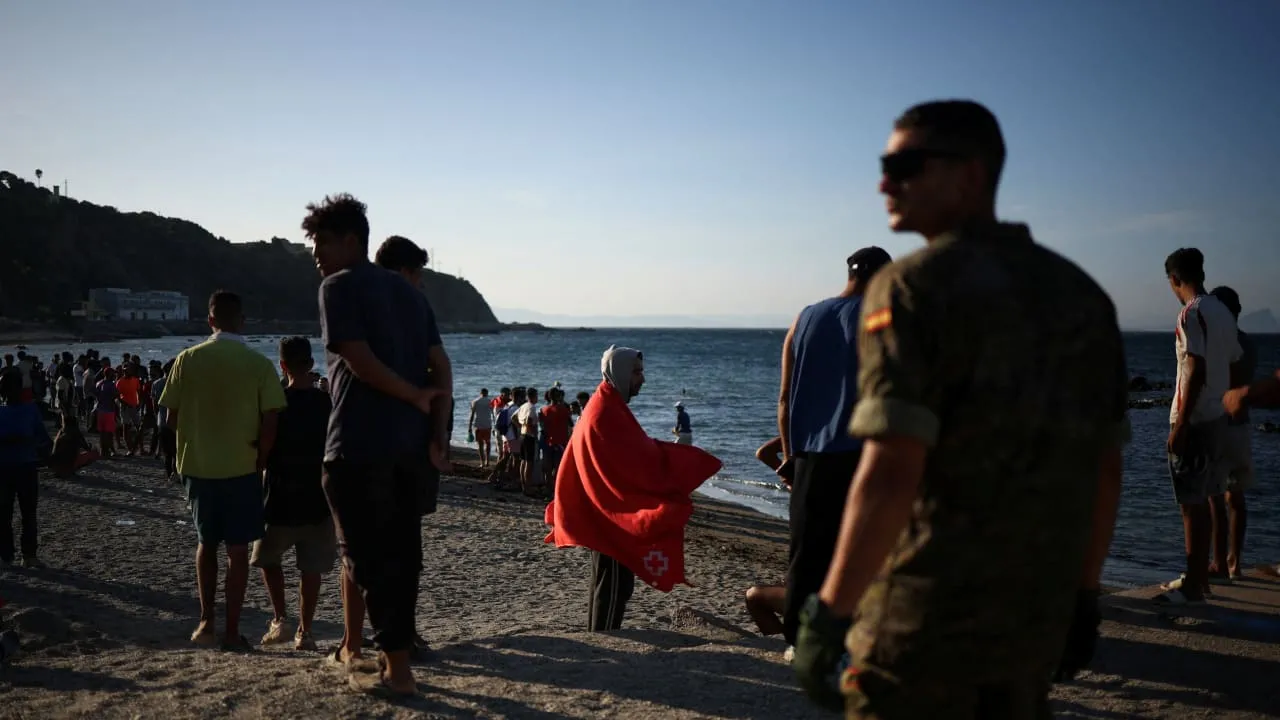
The recent surge of thousands of young individuals attempting to cross the border from Morocco to Ceuta marks the onset of a significant migration crisis, warns journalist and academic Henrique Cymerman. In an insightful interview with 103FM, he elaborated on the precarious situation at the borders of Ceuta and Melilla—two Spanish territories that have remained under Spanish control for over 400 years, surrounded by the African continent. Cymerman emphasized the rapid nature of these crossings, where migrants have a mere two and a half minutes to evade Spanish authorities after jumping the border barricades. If they manage to reach the refugee center within that brief window, they secure their position and can subsequently pursue their aspirations of reaching mainland Europe.
Cymerman further discussed the broader implications of this crisis, indicating that the current events are merely a precursor to what is poised to become a larger humanitarian challenge. With Africa's population swelling to an estimated 1.5 billion, a significant portion of this demographic comprises young individuals who face bleak prospects and limited opportunities. The anticipated wave of migration from Africa towards Europe presents a formidable test for European nations, which must grapple with the dual challenge of addressing the humanitarian aspects of this influx while also managing the logistics of accommodating potentially millions of new arrivals.
Political Dynamics and Conspiracy Theories
In a more controversial vein, Cymerman also addressed the emergence of conspiracy theories linking Israel to the migration crisis. He noted that these theories have gained traction due to Spain's political landscape, particularly under Prime Minister Pedro Sánchez, who has taken a vocal stance against Israel. The implications of Spain’s foreign relations, especially its alliance with Morocco, are being scrutinized in light of these migrations. Some theorize that the King of Morocco might be using the crisis as leverage against Sánchez, especially as Spain deepens its ties with Algeria, Morocco's historical adversary. The situation is further complicated by Spain's dependence on Algerian gas, which constitutes a significant portion of its energy supply.
As the refugee crisis continues to evolve, Cymerman predicts an intensification of migration attempts, fueled by the desperation of young Africans seeking better livelihoods. The pressing question remains: how will Europe respond to this escalating crisis while balancing its humanitarian obligations with the realities of immigration policy? The unfolding narrative in Ceuta and Melilla serves as a critical indicator of the challenges Europe will face in the coming years.
As reported by jpost.com.