
Understanding the Mass Migration to Ceuta
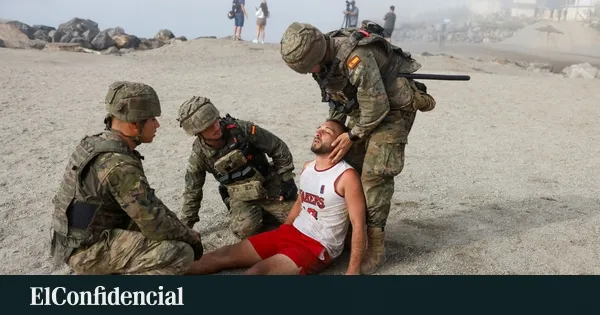
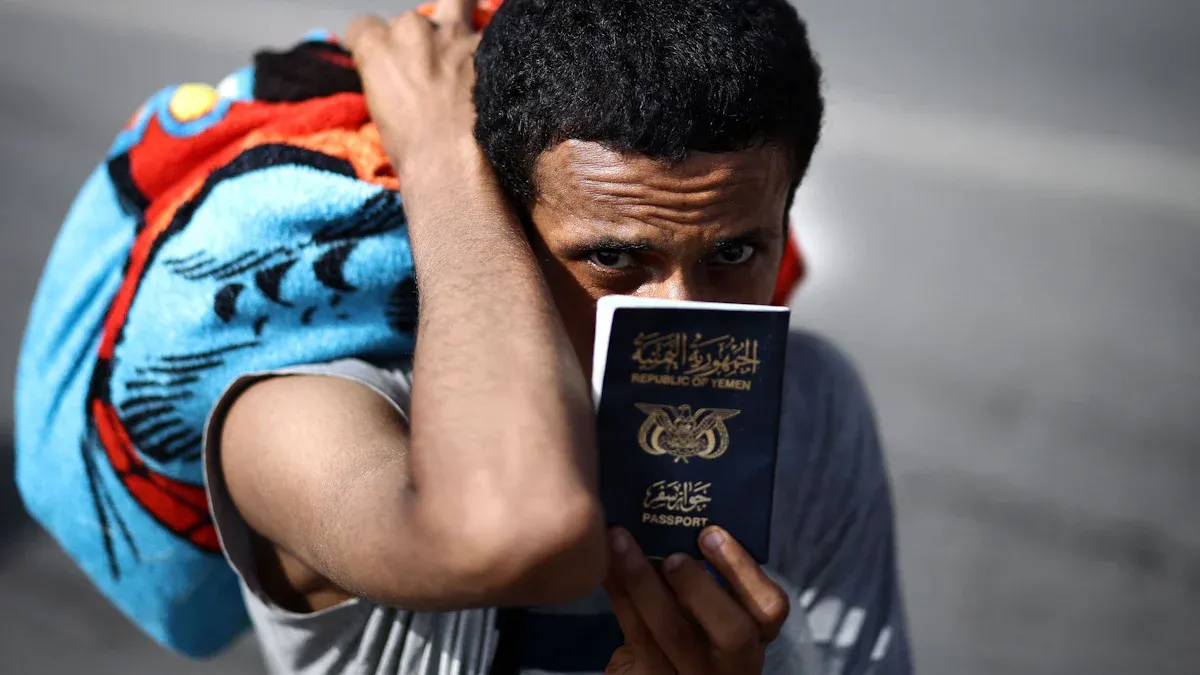
Recently, a staggering influx of migrants, estimated to be around 50,000, surged into Ceuta, the Spanish exclave located on the African continent, raising critical questions about the underlying causes of such a massive movement. The situation unfolded dramatically, as many of these individuals found themselves in dire circumstances, lacking basic necessities like food and water, while simultaneously realizing that their journey towards their ultimate destination, the European Union, had not brought them any closer to their goals. By Saturday, most had returned to Morocco, leaving observers puzzled about the orchestrated nature of this migration wave. The political narratives surrounding this event vary significantly, often reflecting the biases of differing political factions.
The Political Ramifications and Responses
The uproar primarily originated from the political right, with maps circulating that illustrated the quickest routes to major European cities such as Berlin and Paris. Assertions were made, including claims that “Muslims are overrunning the EU,” a sentiment echoed by influential figures like Elon Musk. The enormity of this migrant surge, coupled with intensified border control measures and political rhetoric from various capitals, has put the EU's migration policies under scrutiny, especially during a time of electoral campaigns in Germany.
Interestingly, it is important to note that nearly half of Ceuta's 80,000 residents are Muslims, and that the exclave operates under unique regulations despite its legal status as EU territory. Migrants from Ceuta cannot enter mainland Europe without a visa, and numerous border checks hinder their movement, a fact that many migrants only realized upon arrival in Ceuta when they noticed the absence of signs leading to Barcelona. The alarming images of this crisis have also incited panic within the EU, particularly among right-leaning countries, who attribute the so-called 'invasion' to Spain's allegedly lenient stance towards migration. A pivotal ruling by the Supreme Court, which dictates that refugees arriving by sea cannot be sent back immediately without due process, has further fueled this narrative.
Conversely, voices from the left argue that such a substantial number of migrants could not have crossed the heavily guarded borders of Ceuta without assistance or strategic planning. Historical context reveals that Morocco has previously utilized migrants as a political tool, notably in 2021 when tensions arose due to Spain granting medical attention to a leader of the Western Sahara independence movement. The recent visit of Spain's Prime Minister Pedro Sánchez to Algeria might have prompted Moroccan authorities to retaliate, according to theories circulating in Madrid. Spain has found some support from countries like Estonia that have faced similar migratory pressures from Russia and Belarus.
Both perspectives—those emphasizing pull factors that attract migrants and those highlighting push factors that compel them to flee—play a role in understanding the events at Ceuta. The dynamics have surprised all parties involved: the governments of Spain and Morocco, as well as the migrants themselves. The presence of a significant Moroccan community in Spain fosters networks that make integration easier, and this has likely contributed to word spreading that conditions in Spain are more favorable compared to other parts of Europe.
Social media platforms, particularly Facebook, have been instrumental in disseminating simplified narratives about the Supreme Court ruling, leading many to believe that the borders were effectively open. Initial migrants reported being waved through at the Moroccan border, leading to speculation about whether this was a deliberate act of political messaging. Social media also played a role in communicating tips on how to navigate the crossing, with jubilant messages celebrating the arrival in Ceuta quickly circulating among groups on platforms like WhatsApp.
The Moroccan authorities' decision to permit this large-scale crossing remains ambiguous, with motives ranging from administrative overwhelm to calculated political strategy. The Moroccan Human Rights Council has called for a thorough investigation into the incidents, criticizing the silence from officials regarding the events. The timing of this mass migration coincided with a significant national celebration in Morocco, intended to showcase the country’s achievements, which were overshadowed by the negative international publicity regarding the migrant situation.
As the situation escalated, the Moroccan government recognized the need for a response and dispatched additional police to the border, alongside water cannons, to manage the crowd. Buses were organized to transport those returning to their villages, with one migrant expressing confusion about his decision to attempt the journey, stating, "Honestly, I don’t even know why I came, and now I’m going back." Tragically, about 70 individuals did not survive the perilous journey.
As reported by sueddeutsche.de.