Mali's Support for Morocco's Autonomy Proposal
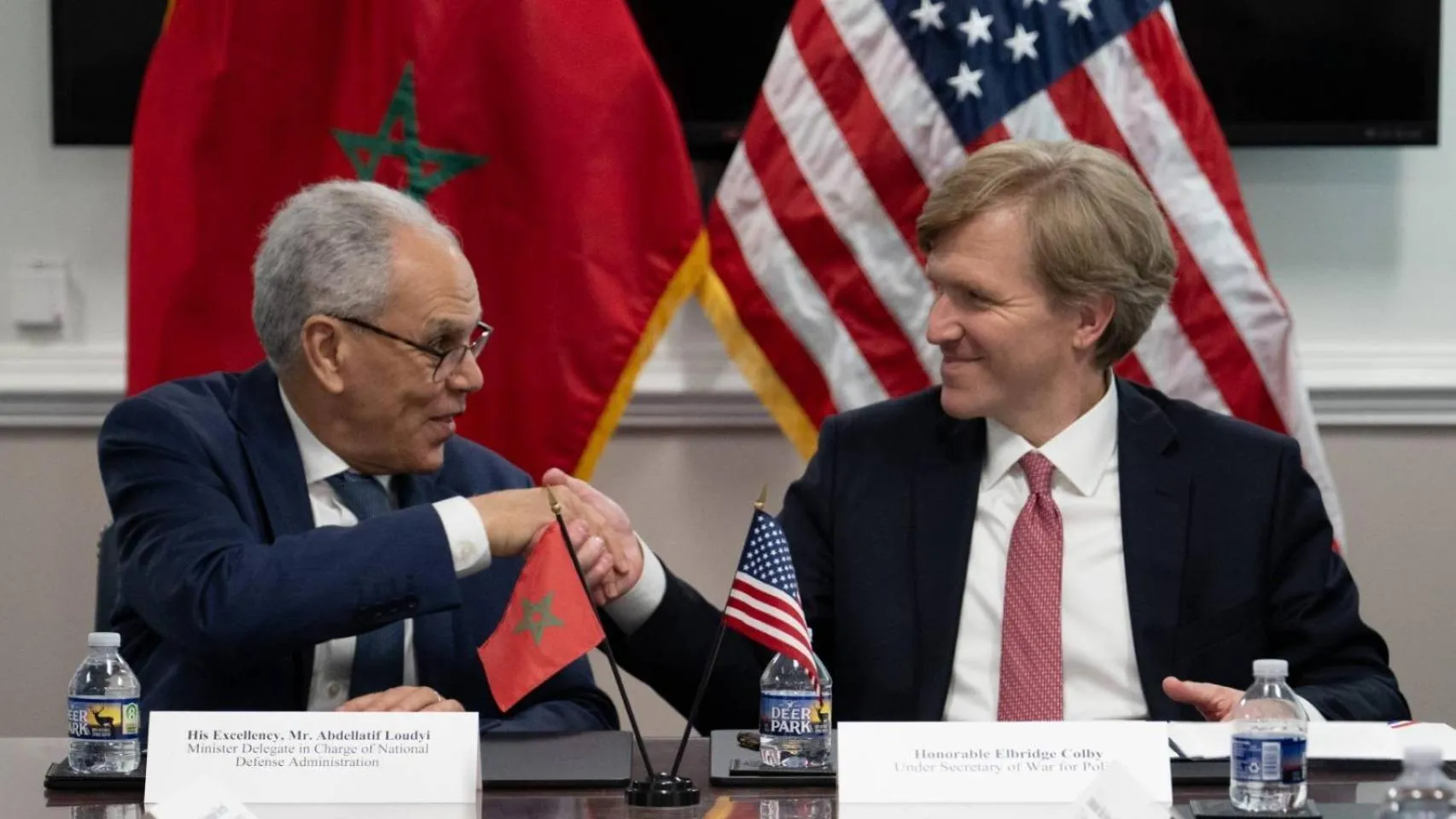
In a significant diplomatic shift, Mali has officially voiced its support for Morocco's autonomy plan concerning the disputed region of Western Sahara. This endorsement, announced on Friday, marks a pivotal moment in the long-standing conflict between the Moroccan government and the indigenous Sahrawi people, who have been seeking independence for decades. The Malian transitional government communicated its decision to retract recognition of the pro-independence Sahrawi Arab Democratic Republic, aligning itself instead with Morocco's vision for the region. This plan has been gaining traction not only among African nations but also enjoys backing from the Trump administration in the United States and a majority of European Union members.
The Malian Ministry of Foreign Affairs expressed in a statement that “the Republic of Mali supports the autonomy plan proposed by Morocco as the only serious and credible basis for resolving this dispute.” The statement further articulated that true autonomy under Moroccan sovereignty is viewed as the most pragmatic solution to the ongoing conflict. This endorsement is indicative of a broader trend among African allies rallying behind Morocco's approach to the Western Sahara issue.
The Historical Context of Western Sahara
Western Sahara, a resource-rich coastal desert comparable in size to the state of Colorado, was under Spanish colonial rule until 1975. The territory is claimed by Morocco and the Polisario Front, which operates from refugee camps in southwestern Algeria and represents the aspirations of the Sahrawi people. In October 2025, the United Nations Security Council passed a resolution that positioned Morocco's autonomy proposal at the forefront of discussions aimed at resolving the conflict. While this resolution does not finalize the status of the territory, it acknowledges the Moroccan initiative as a “serious, credible, and realistic” framework for a political resolution.
Notably, the resolution refrains from mentioning a referendum on self-determination that includes independence as an option, a stance long advocated by the Polisario Front and its supporters, including Algeria, Russia, and China. As the situation evolves, Western Sahara is emerging as a focal point for investment, attracting interest from European and American companies in sectors such as fishing, agriculture, and infrastructure projects. These investments are anticipated to facilitate the harnessing of wind and solar power potential in the region, promising a new economic chapter for Western Sahara.
As reported by wtop.com.