Anticipating the Next Wave of World Cup Contenders
The road to the 2030 FIFA World Cup is set to be an exciting journey, as many established teams hold on to their favorites status, while a growing number of emerging squads are set to make their mark on the global stage. Though four years may seem like a short span in the world of sports, for teams in development, it can feel like an eternity. The recently concluded FIFA World Cup 2026 showcased how effectively this time frame is being utilized, with an increasing number of underdogs transforming into genuine challengers.
It is a certainty that the storied teams which have been dreaming of titles over the past weeks will once again aim for success in four years' time. However, the rising number of up-and-coming teams capable of posing challenges to the giants of the sport continues to grow with each tournament. What is currently seen as a surprise may very well become the new standard by the time we reach 2030.
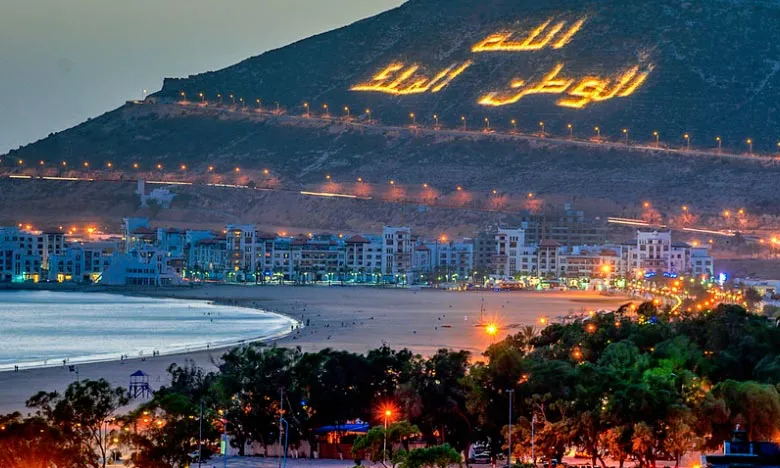
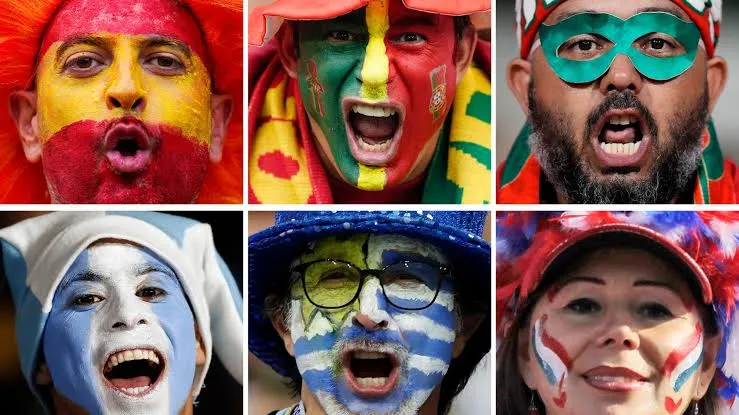
Following the conclusion of the 2026 World Cup, the focus will immediately shift to the upcoming 2030 tournament, where co-hosts Morocco, Portugal, and Spain have secured their spots automatically. Likewise, Uruguay, Argentina, and Paraguay will also qualify as hosts for this centenary celebration of football.
During the 2026 World Cup, Morocco and Spain showcased some of the youngest squads, proving that they are no longer one-hit wonders. The Atlas Lions demonstrated their substantial growth thanks to a robust youth development system that prioritizes technical training, which could pay off immensely in four years, especially with the added advantage of home support.
Spain's young team is another intriguing prospect, as they continue to mature. Coach Luis de la Fuente's recent comments hint at the team's tenacity, stating, "This team is absolutely relentless." The newly crowned champions boast promising contenders across nearly every position, ensuring they maintain a high level of performance, but the challenge will lie in maintaining their hunger for success after achieving everything there is to win.
Portugal, on the other hand, took a slightly older squad to North America, which may leave room for adjustments. Following their exit in the Round of 16 against the eventual champions, Cristiano Ronaldo announced that he would not aim for a seventh World Cup appearance. However, with key players like Bruno Fernandes and Rúben Dias still in their prime, Portugal remains a strong contender, especially with an impressive pool of emerging talents eager for playing time. Overall, all three co-hosts are already positioning themselves favorably for the 2030 tournament.
A New Generation of African Teams on the Rise
Beyond Morocco, Africa holds an intriguing narrative with its emerging football powerhouses. The Ivory Coast, for instance, is generating significant buzz with a youthful squad. Players like Yan Diomande and Amad Diallo are showing promise, and if they continue to develop, they could become superstars by the next tournament. The work being done under coach Emerse Faé is commendable and one of the most fascinating projects to watch in the coming years.
Additionally, Ghana, Tunisia, and South Africa all fielded teams with an average age under 27 during the World Cup, indicating a bright future for African football. With strong performances and surprising results — such as Cape Verde's draw against Spain and their near upset of Argentina in the Round of 16 — there is potential for an even more formidable African presence at the 2030 World Cup.
The list of rising contenders extends to other continents as well, with Ecuador, the USA, and Uzbekistan hinting at their potential for future success. Meanwhile, the depth of talent in teams like England and France suggests that their status as favorites within Europe will remain unchanged. However, ambitions are certainly growing among other European teams.
Questions abound as we look ahead: Will Norway establish itself as a consistent threat? How will Italy’s yearning for a World Cup return impact its future? Can Jürgen Klopp end Germany's struggles in World Cup competitions? Will the Netherlands and Switzerland unlock even more of their potential? These compelling questions are sure to be addressed in the next tournament, as anticipation builds for what promises to be a thrilling World Cup in 2030.
As reported by fifa.com.