
Upcoming Hearing at the Court of Arbitration for Sport
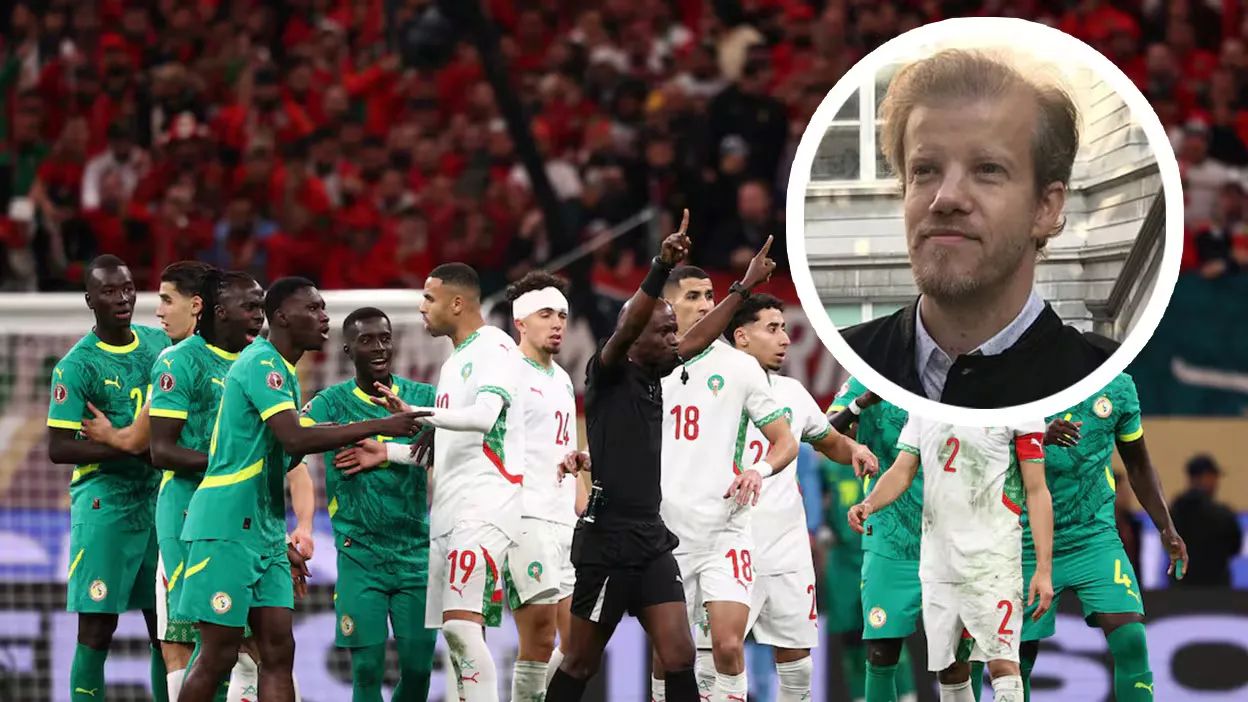
This Thursday, October 8, the Court of Arbitration for Sport (CAS) in Lausanne will host an extensive hearing focused on the controversial events surrounding the 2025 Africa Cup of Nations (AFCON) final, which took place on January 18. The match, pivotal in its importance, saw the Senegalese players leave the pitch for a protracted 16 minutes in protest against a referee's decision, before resuming play. This interruption, which disrupted the game's flow, was shortly followed by Senegal scoring the decisive goal, ultimately leading to their victory in a particularly tumultuous evening.
Despite Senegal's on-pitch success, the legal ramifications would favor Morocco. Following the tumultuous final, the Confederation of African Football (CAF) was approached and initially opted to sanction the various behaviors observed during the match without contesting the sporting outcome. However, Morocco, citing the incident of the Senegalese players leaving the field, prompted the Moroccan Football Federation (FRMF) to appeal this initial decision. Consequently, after reassessing the situation, the CAF Appeals Jury announced its verdict on March 17, declaring Morocco the champion by a score of 3-0, in accordance with Articles 82 and 84 of the AFCON regulations.
The Senegalese Football Federation (FSF) subsequently contested this ruling and lodged an appeal with the CAS, officially registered on March 25. The FSF is seeking to annul the decision made by the CAF Appeals Jury, which had legally awarded the championship to Morocco.
Understanding the Legal Proceedings
As we arrive at October 8, 2026, the CAS will convene with a panel of three judges, including a president, to hear the arguments from both sides: the CAF and the FRMF on one end, with the FSF on the other. It is important to note that the hearing will not re-evaluate the match's sporting outcome but will focus solely on the legality of the CAF Appeals Jury's decision. This is the core issue that will be debated in Lausanne.
To gain insight into the stakes of this hearing, we turn to Me Renaud Duchêne, a lawyer specializing in sports law and founder of TactX, who explains what to expect from this session. The hearing is set to begin at 9:30 AM and will occur in person at the CAS headquarters in Lausanne, closed to the media. Me Duchêne clarifies that the hearing will take place with each party's lawyers present alongside their clients, including federation presidents and legal representatives.
Initially, the FSF, as the appealing party, will present its case, followed by the CAF and FRMF. Each party will then have the opportunity to present their arguments to the arbitration panel, with the possibility for rebuttals. The CAS has assigned a panel of three arbitrators led by French professor Gérald Simon, alongside Italian Luigi Fumagalli and German Ulrich Haas. The proceedings will be conducted in French, maintaining a standard approach for significant cases before the CAS.
Each arbitrator must declare their independence and impartiality to avoid any conflicts of interest. This selection of arbitrators reflects their expertise in international sports law, ensuring that they do not merely represent the interests of the party that appointed them but act as independent adjudicators.
As the hearing unfolds, the CAS will scrutinize the CAF Appeals Jury's decision that awarded Morocco the championship, assessing whether it adhered to the applicable regulations. The panel will check if the correct procedural provisions were followed and whether the CAF's decision was legitimate under the governing rules.
Ultimately, the CAS is not tasked with reassessing the match's final score but with determining the validity of the decision that designated Morocco as the winner by default. Both parties are expected to delve into the match's events from their respective perspectives; Morocco will highlight the incidents leading to the CAF's decision, while the FSF may argue the referee's oversight regarding the players' departure from the field.
Following the presentations, the arbitration panel will retreat to deliberate. Notably, the CAS has indicated that no decision will be announced on the day of the hearing. Instead, each arbitrator will review the case, leading to a collective decision made by majority vote. The presiding arbitrator, Gérald Simon, will play a pivotal role in guiding this process.
For those anticipating a swift resolution, it is essential to understand that the verdict may take weeks or even months to finalize. The procedures following the hearing include a review by the CAS director general, who ensures that the decision aligns with the organization's standards and regulations.
It is crucial to understand that while the CAS can indirectly influence the result of the final, it primarily serves to uphold or overturn the CAF Appeals Jury's ruling. In appealing, the CAS retains broad authority to review both the facts and the law and may issue a new decision that either replaces or annuls the contested ruling.
In conclusion, as Morocco and Senegal prepare to embark on this next chapter in their ongoing legal saga, the hearing on October 8 will not conclude the matter but rather initiate a deliberative phase that could extend well into the future.
As reported by sport.le360.ma.