Embracing Tradition and Innovation at La Zahria 2026
From March 22 to April 12, Marrakech comes alive with the vibrant energy of the 14th edition of La Zahria, the Orange Blossom Festival, organized by the Al Muniya Association in collaboration with key national and local institutions. This year’s festival, themed around renewal, unfolds in an exceptional context. Following a particularly rainy winter in the Al Haouz region, nature responds with what the organizers aptly describe as a "spring of miracles." The bitter orange trees, richly watered and basking in sunlight, are adorned with pristine white blossoms, filling the air with their intoxicating fragrance and creating an enchanting atmosphere throughout the city.
More than just a natural phenomenon, the orange blossom serves as a powerful symbol representing the transition from darkness to light, embodying the continuity of past, present, and future. On a single tree, one can observe ancient fruits, budding flowers, and fully bloomed blossoms coexisting harmoniously—an eloquent metaphor for cultural transmission.
A Moroccan Tradition with Global Recognition
Historically carried forward by the women of Marrakech, La Zahria has transcended its role as merely a local festival. It now stands as an internationally recognized intangible heritage, listed under the cultural heritage of the Islamic world by ICESCO. This acknowledgment reinforces the ambition of the Al Muniya Association, which has been accredited by UNESCO since 2024, to inscribe this tradition into the intangible cultural heritage of humanity.
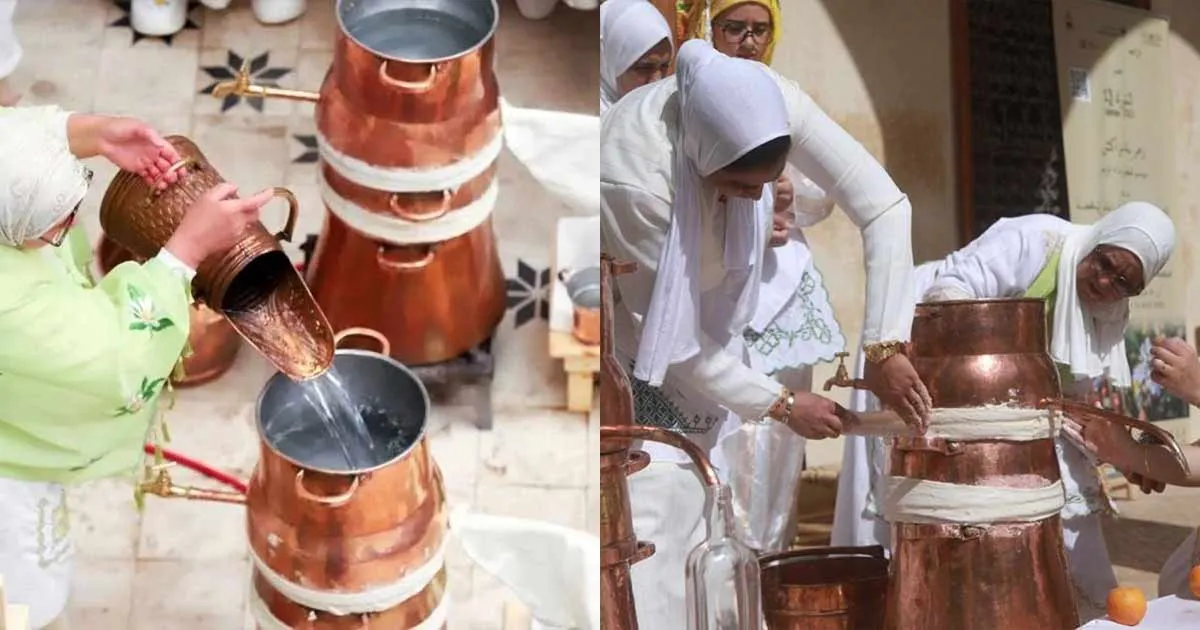
The distillation of the orange blossom encapsulates a wealth of knowledge, ancient practices, and collective memory, while simultaneously reaching out to new audiences. Furthermore, the 2026 edition marks a pivotal moment in institutional history. A significant symposium took place on April 3, focusing on Law 33-22, which was enacted in June 2025 to protect cultural heritage. This new legal framework represents a monumental shift: heritage management is now a shared responsibility among the state, local communities, civil society, and the private sector, departing from previous models of sporadic cooperation.
As part of this dynamic, a committee of experts, including architects, historians, and urban planners, will be established during the "Riad Day" to safeguard the traditional habitat of the medina, a cornerstone of Marrakech's cultural and tourist appeal. The festival's innovative aspect this year is its expansion beyond traditional venues, reaching throughout the region. Activities are set to take place at Mohammed VI Polytechnic University in Benguerir, Kelaâ des Sraghna's Higher School of Technology, and even in the High Atlas at Setti Fadma.
With sensory experiences, distillation workshops, and scientific discussions featuring experts such as Khalid Bitar and Valérie Ogé, the festival adopts an educational and territorial dimension. Even the experimental cedar forest will be incorporated into the program, illustrating the profound link between natural and cultural heritage.
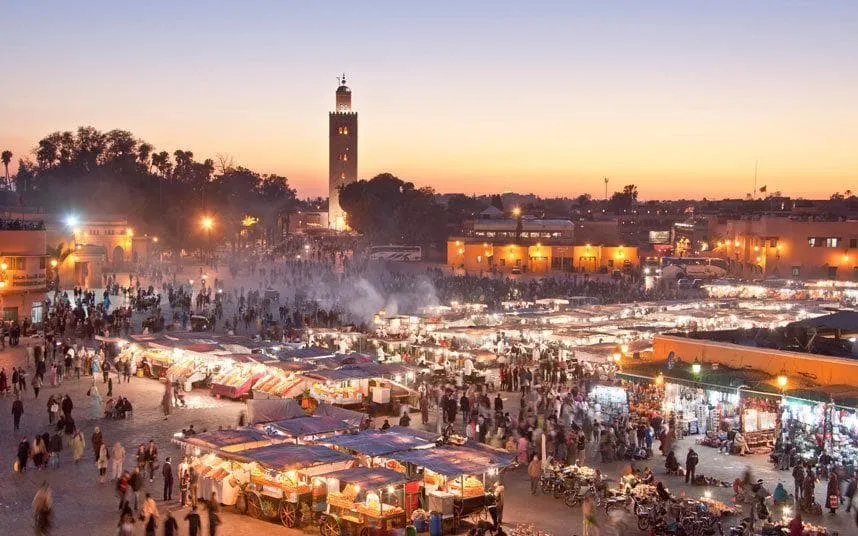
Over the span of three weeks, La Zahria offers a rich and varied program across iconic locations in Marrakech, including Riad 1112, Dar Cherifa, Medina Heritage, the Gardens of the Medina, Jemaa el-Fna Square, and the Farid Belkahia Museum. The festival's agenda includes distillation ceremonies, artisan workshops (weaving, traditional bread-making), literary conferences and encounters, heritage storytelling, and concerts featuring lute and spiritual Samaa music. This diversity showcases the richness of an event that harmonizes tradition, artistic creation, and cultural transmission.
Through this 14th edition, Marrakech asserts its position as the capital of living heritage. La Zahria evolves into more than just a festival; it becomes a genuine catalyst for social, cultural, and territorial regeneration. With international recognition, institutional innovations, and territorial outreach, the Orange Blossom Festival stands as a model for enhancing intangible heritage. In the fragrant trail of its blooming bitter orange trees, Marrakech charts a clear ambition: to embed its legacy within the universal memory of humanity.
As reported by h24info.ma.