Significant Expansion of José Bono's Mansion in Tangier
José Bono, the former Spanish Minister of Defense, has notably enlarged his mansion situated in the medina of Tangier, Morocco. This expansion has been facilitated by the acquisition of several adjacent properties over the past few years, especially those adjoining the former workshop of the painter Josep Tapiró. According to local real estate sources consulted by theobjective.com, this once singular residence has transformed into a large-scale residential complex through the integration of at least four neighboring properties.
A Grand Transformation and Cultural Significance
This ambitious project began with the purchase of the historic building in 2021, but it did not stop there; Bono progressively acquired additional adjacent constructions, ultimately connecting them internally to form a unified property. Direct sources from the medina report that he "has been purchasing all the properties that are connected," resulting in a significant increase in the original dimensions of the estate.
Previous estimates suggest that the total area of the property has increased from approximately 700 square meters to over 1,800 square meters following the integration of these additional homes and the internal reorganization of the space. Attempts to contact Bono for a comment on this development have been declined, leaving many details about the expansion shrouded in mystery.
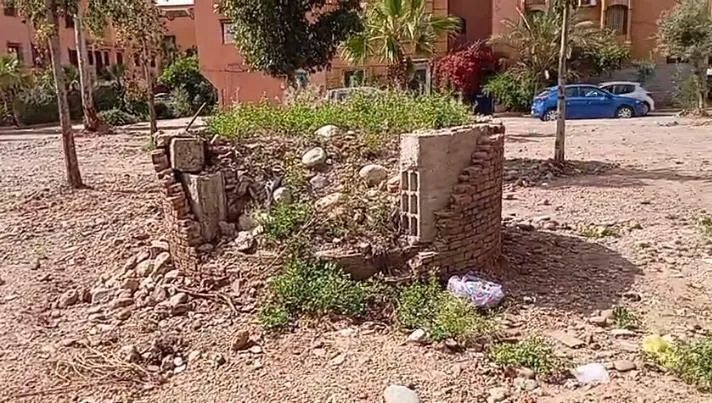
This expansion includes several buildings in close proximity to the main house: a residence on the right side of the access street (Pintor Josep Tapiró), which still retains its raw façade; an old inn known as Pensión Sevilla; another house located behind it; and a smaller structure that has been adapted as an additional access point to the complex. Collectively, these transformations have created a palatial residence that is unusually large even for the high-end real estate market of Tangier's medina.
The original building holds significant historical value as it was once the workshop of Tapiró, who was one of the first notable artists in the city and had strong ties to the Jewish community. In the late 19th century, it became the residence of the Catalan painter, who is recognized as a leading Orientalist watercolorist. Tapiró settled in Tangier in 1876 and produced most of his work there until his death in 1913. His workshop, described as a unique space blending local and European influences, became a cultural landmark in the city.
Throughout the 20th century, the building changed hands among various European owners before being acquired in 1992 by Cecilia Fernández Suzor, who was then the director of the Instituto Cervantes in Tangier. This property has long been intertwined with Spanish cultural presence in the city. Along with her husband, Bernabé López, a professor at the Universidad Autónoma de Madrid, Fernández Suzor used the property as a private cultural space for many years, even hosting events intended to promote the memory of both Tapiró and another artist associated with Tangier, Antonio Fuentes.
However, despite some claims, there was never a formal transfer of ownership of the property to the Instituto Cervantes. López clarified that their relationship with the institution was largely informal, emphasizing that during his wife's tenure, they would host artists and writers at their home out of friendship, rather than any official capacity.
The onset of the pandemic and the subsequent lack of development for the project prompted its owners to reconsider its future. "Since we no longer lived there and traveled infrequently, we ultimately decided to put it up for sale," López explained.
The sale was facilitated by an intriguing intermediary: the Argentine author Santiago de Luca, who is friends with both the director of the Instituto Cervantes, writer Luis García Montero, and former Prime Minister José Luis Rodríguez Zapatero. De Luca acknowledged to theobjective.com that he connected the parties, stating, "I knew Bernabé wanted to sell, and Bono was looking for a house. I introduced them." Nevertheless, discrepancies have arisen regarding the nature of this transaction, as De Luca denied receiving any commission, asserting, "I didn’t earn anything, not a euro. I don’t engage in this business." Contrarily, other sources indicated the possibility of financial compensation for his role in the deal, while López refrained from disclosing any details regarding potential payments to the intermediary.
Despite De Luca’s claim of no personal relationship with Zapatero, both have been seen together at cultural events, further complicating the narrative surrounding the transaction. López framed the sale as a matter of chance, recounting that Bono expressed interest during a visit to Tangier, leading to a viewing of the property. He also disputed claims that the sale price approached a million euros, describing the final amount simply as "discreet," while others suggest it is around the officially declared figure of 600,000 euros—considerably low for a property of this stature in the area. Interestingly, Bono did not register this acquisition through any of his companies based in Spain that typically handle his overseas property purchases.
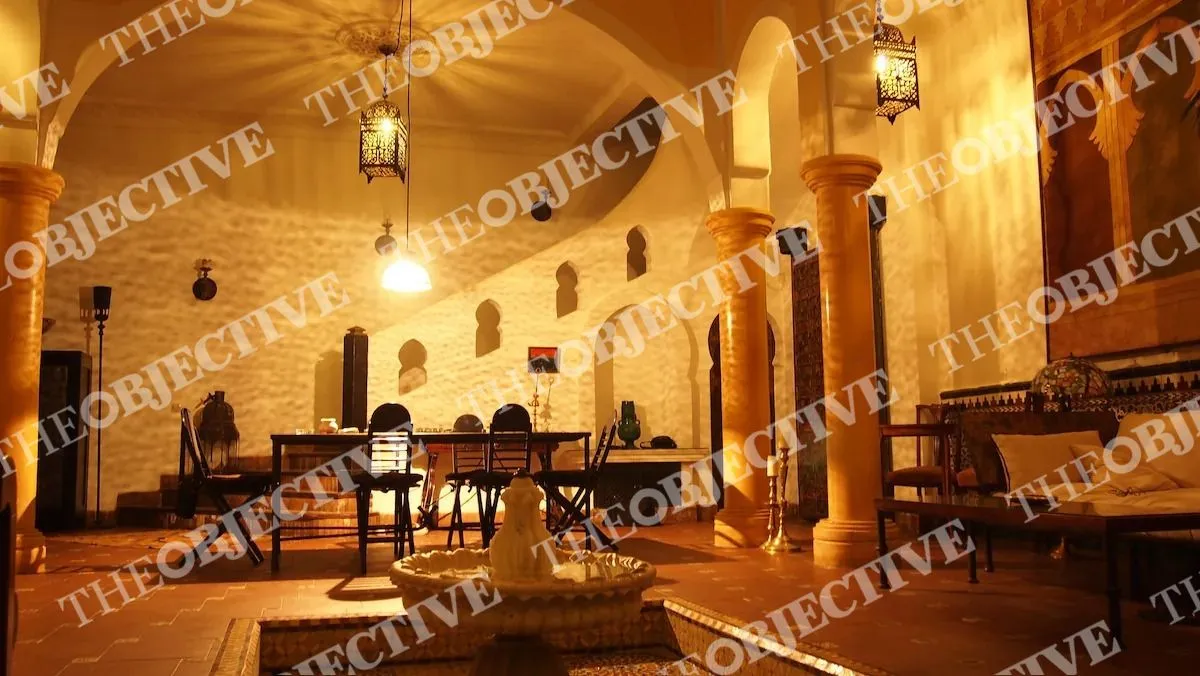
Following the purchase in 2021, comprehensive renovations were undertaken that profoundly altered the mansion’s configuration. Reports indicate that these renovations included high-end materials, such as carved cedar wood and Moroccan zellige tiles, with the installation of a notable Turkish elevator being a prominent functional feature of the renovation. Sources estimate that Bono invested between 1.2 and 1.5 million euros solely in the renovations.
One of the most controversial aspects of Bono's real estate endeavor in central Tangier was the vertical expansion of the property. According to available graphic information from 2023, at least one additional floor was added to the original structure, raising concerns about compliance with urban restrictions aimed at protecting the heritage in that area.
Moreover, this real estate project coincides with a significant shift in Bono's public stance towards Morocco. For years, he maintained a critical view of the neighboring country, but since 2020, he has emerged as one of the staunchest advocates for the Alawite regime in Spanish political and media circles.
In conclusion, the complex that Bono has developed significantly exceeds the original dimensions of the historic home, resulting from the gradual consolidation of adjacent lots, high-level renovations, and an upward expansion that raises questions about the nature of a singular residence in one of Tangier's most coveted areas.
As reported by theobjective.com.