The Dismal State of the Green Belt Surrounding Avenue Ouhda
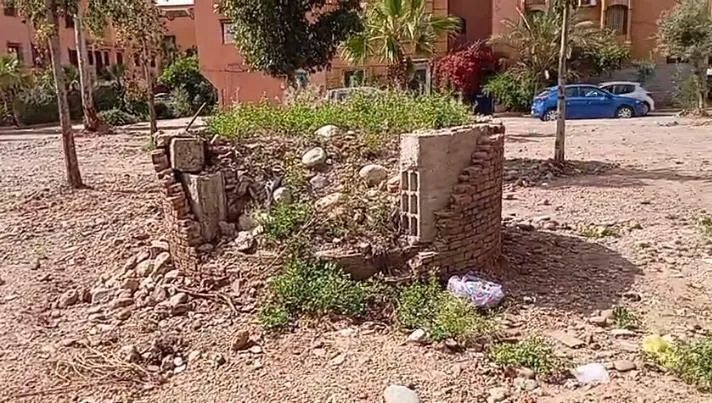
The green belt that once flourished along Avenue Ouhda in the Sidi Youssef Ben Ali district of Marrakech is now in a state of disarray. This area, which stretches across the neighborhoods of Jbilat and Diour Chehda, has transformed into barren land, choked with dust and gravel, marking a significant decline from its previous status as a model of greenery in the region. Recent photographs and reports reveal that large portions of this green belt have devolved into what can only be described as a "black spot," primarily due to the lack of irrigation and the accumulation of debris, depriving the residents of Sidi Youssef Ben Ali and the new neighborhood of their only natural refuge.
Community Concerns Over Environmental Neglect
In an exclusive statement to the newspaper "Al-Omq," local activist Mohamed Chaker emphasized that the green belt's condition has reached a tragic state that necessitates immediate intervention. He noted that this area was once relied upon by the community as an environmental oasis to mitigate the oppressive heat of Marrakech. However, the current reality starkly reveals a lack of maintenance that has persisted for an extended period. Chaker further pointed out that the upkeep of green spaces appears to be limited only to the façade along the Royal Golf Road, with the rest of the green belt suffering from significant deterioration in its vegetation cover and increasing accumulation of dust and gravel.
The community activist highlighted that the neglect of irrigation and maintenance represents a waste of previous efforts, considering substantial budgets were allocated for its development. Alarmingly, this once-vibrant area now faces the threat of extinction, as the plant cover continues to erode, and cultivated areas are rendered barren. The situation raises critical questions about the commitment of the companies tasked with managing green spaces to adhere to their contractual obligations, particularly concerning regular maintenance and the preservation of planted areas.
Chaker also pointed out that the rising temperatures in Marrakech amplify the community's need for such green spaces, emphasizing that this area was meant to serve as a vital refuge to alleviate heat stress. He warned that the absence of lighting and ongoing neglect could turn this space into a hotspot for irresponsible behavior, urging for its rehabilitation to restore its original function as a recreational area conducive to sports and leisure.
In light of these pressing concerns, the community activist called for a comprehensive and urgent rehabilitation plan, which should include replanting efforts, repairing irrigation systems, and ensuring regular maintenance of the remaining green spaces. He stressed the necessity for the Marrakech city council to engage with these demands and work towards equitable distribution and maintenance of green spaces across the various neighborhoods of the city. Chaker concluded his appeal by urging officials to take their responsibilities seriously in preserving the environmental assets of the city, reiterating that Avenue Ouhda serves as an ecological landmark for the area, and the continuation of its current state tarnishes Marrakech's image as a tourist destination committed to environmental sustainability.
As reported by al3omk.com.