Revolutionizing Police Operations with Smart Patrols
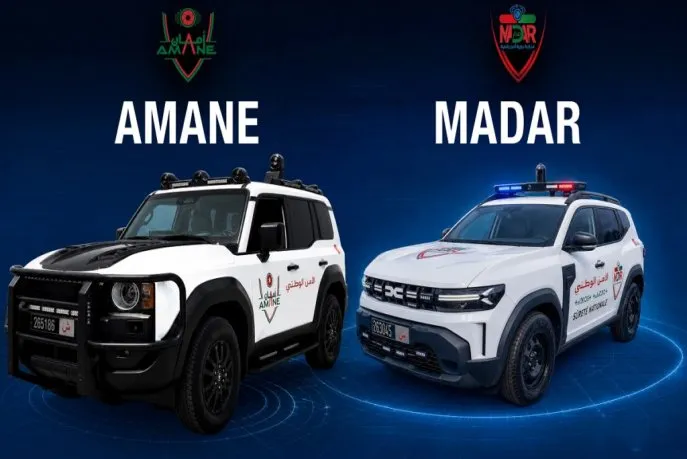
On Saturday, the Casablanca Police Prefecture launched its innovative smart patrol vehicles, named "Amane" and "Madar." These advanced patrols are also making their presence felt in Rabat and Tangier. Developed as part of a fully Moroccan initiative, these vehicles incorporate state-of-the-art surveillance technologies, real-time recognition, and analytical tools designed to enhance police intervention efficiency and bolster public safety.
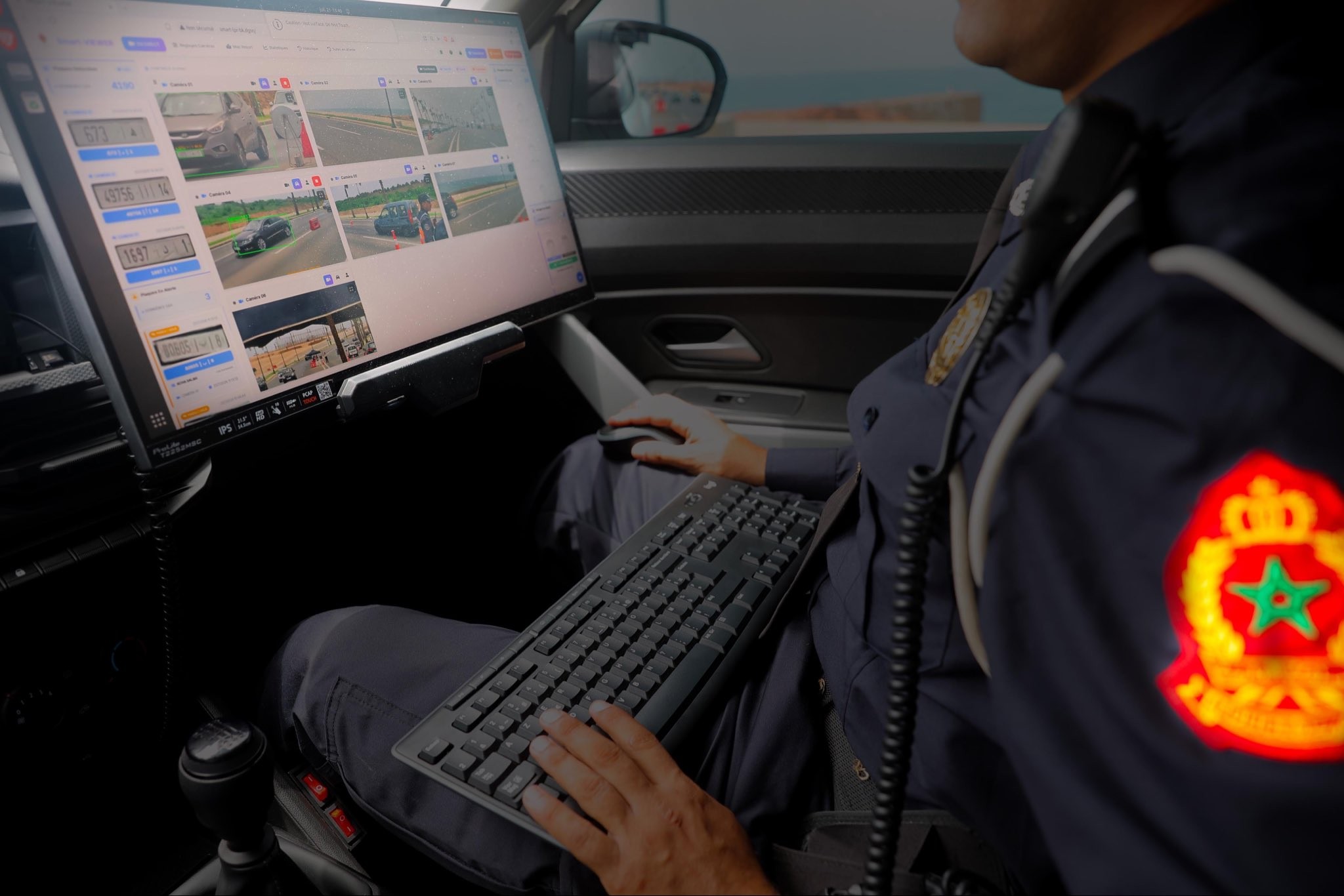
The smart patrol vehicle is continuously linked to the police's command and coordination centers, as well as to operational units deployed in the field, ensuring that law enforcement officers have immediate access to critical information.
Innovative Features of the Amane and Madar Patrols
The "Amane" patrol was developed through the technical and engineering expertise of the General Directorate of National Security (DGSN). This operational vehicle is equipped with an integrated visual surveillance system, featuring multiple cameras that provide 360-degree coverage. These systems are interconnected with automatic license plate recognition applications and facial recognition technology, all powered by advanced artificial intelligence models, enabling instant visual checks during patrols.
Moreover, the vehicle connects in real-time to police command and coordination rooms, as well as to operational units on the ground. A large screen inside the vehicle allows officers to quickly receive, consult, and analyze information pertinent to their missions. With these capabilities, "Amane" aims to help regulate traffic, identify wanted vehicles, and combat various forms of crime.
On the other hand, the "Madar" patrol functions as a mobile surveillance platform, transforming ordinary vehicles into high-tech monitoring units. Utilizing the same artificial intelligence algorithms as "Amane," this patrol is equipped with emergency lights crafted using 3D printing technology. It features high-definition cameras capable of accurately detecting the movements of vehicles across six lanes simultaneously. A central panoramic camera can rotate completely in under three seconds, effectively covering blind spots and providing a comprehensive view of the patrol's immediate environment.
Madar also boasts a powerful lighting signal system installed behind the windshield and within the bumper, ensuring better visibility during operations and enhancing the safety of actions taken in high-traffic areas.
According to Abderrazak Safsafi, the interim head of the Central Command and Coordination Post at the Casablanca Police Prefecture, both vehicles represent innovative technological solutions dedicated to mobile surveillance and control. He emphasized that "Amane" and "Madar" were developed within a fully Moroccan project framework aimed at modernizing the police fleet and adapting intervention tools to meet current security demands.
Equipped with real-time data collection and analysis capabilities, these mobile units are designed to support field teams by facilitating quicker responses to reported incidents. Their direct connection to command centers enhances coordination between patrols and various security services, allowing for rapid information transmission and targeted interventions based on available data.
The new patrols also sport a refreshed visual identity, featuring a geolocation system and an onboard terminal that provides direct access to the DGSN's central database. This connectivity enables officers to conduct immediate checks in the field without interrupting their missions to consult other services, thus aiming to reduce processing times and improve intervention efficiency.
The introduction of these vehicles follows extensive development phases, operational trials, and training for the teams responsible for their use, which allowed for testing various equipment and adjusting devices to real-world conditions.
The rollout of "Amane" and "Madar" is not confined to Casablanca; deployment has also commenced in Rabat and Tangier this week, with plans for gradual expansion to other major cities across the Kingdom. This initiative aligns with the DGSN's modernization strategy, emphasizing the growing role of digital technologies and artificial intelligence in police operations. The overarching goal is to enhance the protection of individuals and property, improve service quality for citizens, and increase the responsiveness of security units.
Furthermore, the implementation of these patrols comes in preparation for significant international events that Morocco will host in the coming years, notably the 2030 FIFA World Cup. The DGSN aims to adapt its human and technological resources to meet new challenges related to urban mobility, event security, and the management of large visitor flows.
As reported by quid.ma.