Exploring the Intricate Web of Moroccan Espionage
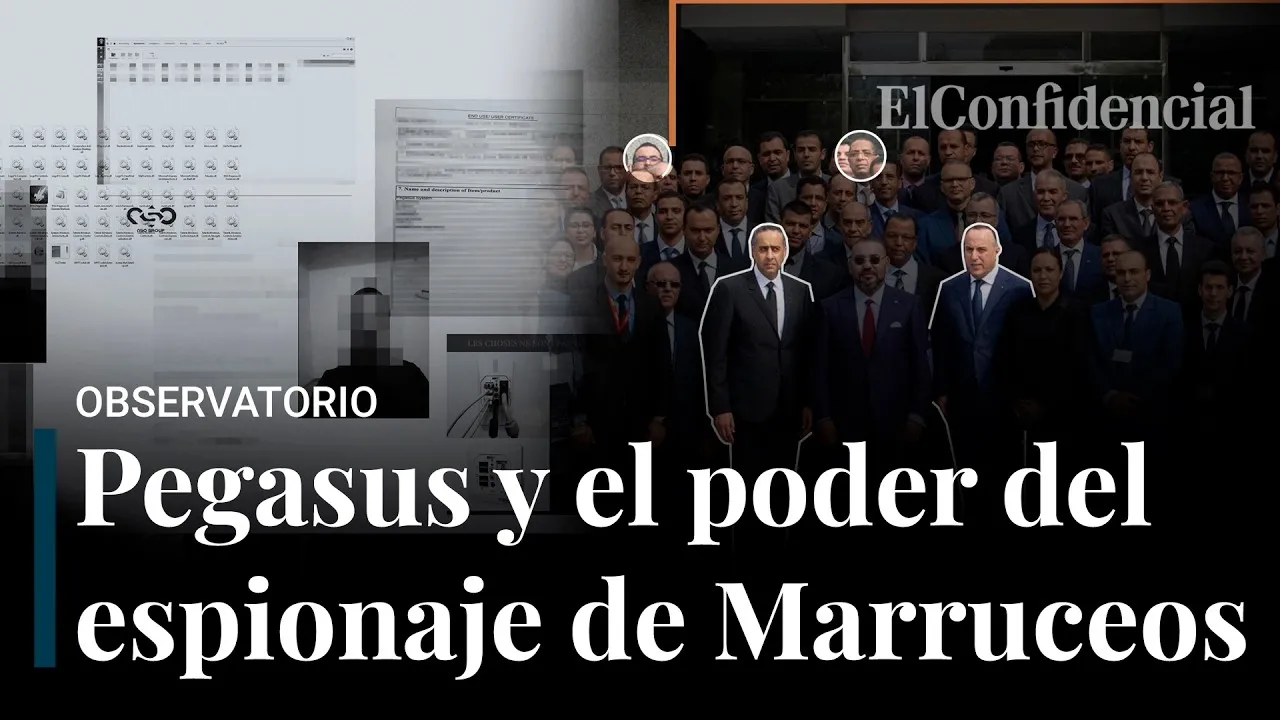
The surveillance apparatus in Morocco has established a sophisticated structural system that transcends the mere use of isolated spyware. At the helm of this complex operation is an individual referred to internally within the Moroccan intelligence community as the "viceroy" or the "shadow king," Fouad Ali El Himma. Operating under the General Directorate of National Security (DGST), the regime has reportedly integrated tools such as Pegasus into its command chain to monitor both internal dissidents and international leaders. This technological architecture is capable of transforming mobile devices into comprehensive sources of information, making mass surveillance a systematic method designed to neutralize any opposition or discomfort posed to the regime.
The operation of this structure is supported by a network of alliances that includes the United Arab Emirates and Israel. Despite official denials, documents, technical records, and internal testimonies have unveiled the inner workings of this system, revealing operational failures such as accidental infections in the very phones of intelligence services that undermine the alleged invulnerability of the apparatus. These revelations expose the names, hierarchies, and modus operandi behind one of the region's most opaque control structures. In 2021, Forbidden Stories and Amnesty International brought to light Morocco's intelligence services, revealing that they had attempted to spy on over 12,000 individuals using Pegasus, the spyware developed by the Israeli firm NSO Group. Now, a consortium of 39 journalists is delving deeper into the operations of Moroccan espionage, gathering testimonies from three former members of Rabat's intelligence, leaks about their surveillance campaigns—including photographs of victims, locations, official documents, and recordings. This information has been corroborated with European intelligence officials, cybersecurity industry workers, satellite imagery, commercial information, and access to various legal summaries and investigations worldwide. The evidence collected has been independently verified by Amnesty International's Security Lab, which serves as the project's technical assistant.
As reported by youtube.com.