Humanitarian Crisis in Ceuta Following Massive Influx of Moroccan Migrants
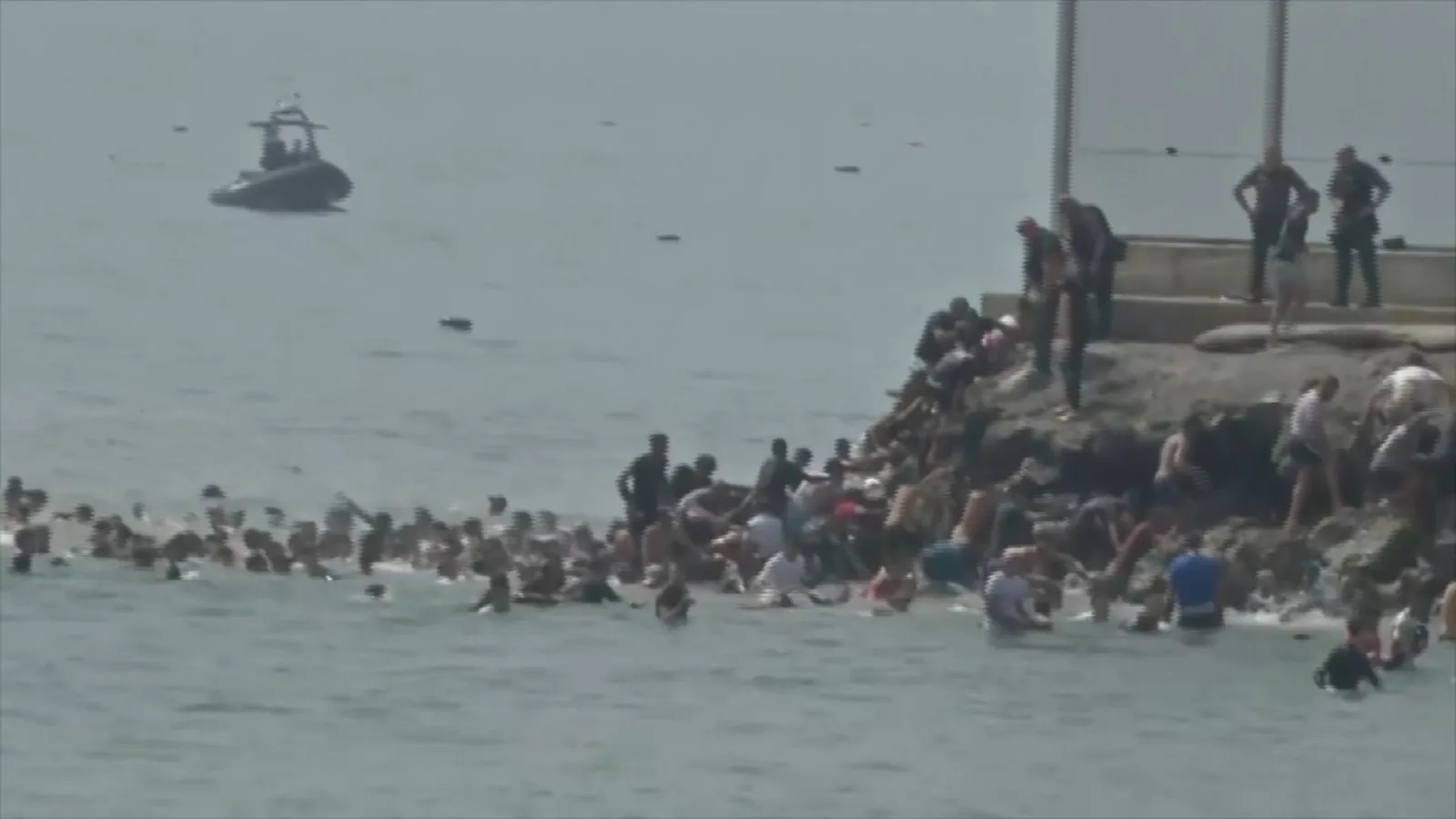
The recent surge of 60,000 Moroccan migrants has triggered a significant humanitarian crisis on the shores of Ceuta, a Spanish enclave situated at the northern tip of Africa. This sudden influx has overwhelmed local resources and authorities, prompting Ceuta's President Juan Jesús Vivas to declare the situation as "absolutely unsustainable." Tragically, at least 41 individuals lost their lives while attempting to swim the treacherous distance of over three miles to reach safety on Spanish soil, highlighting the perilous conditions faced by many fleeing their home country.
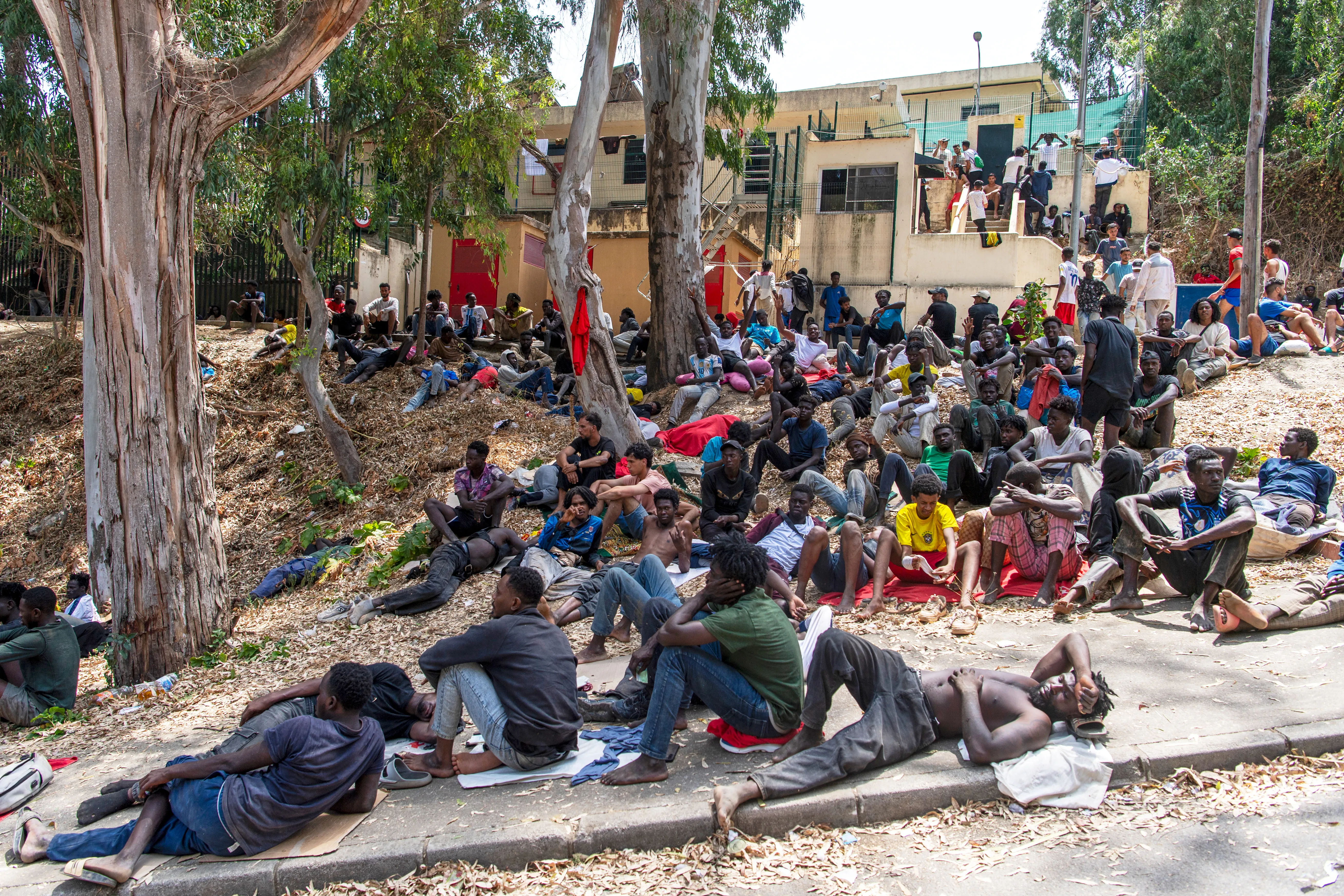
Upon arrival, the conditions for those migrants who made it to Ceuta were far from favorable. Many found themselves sleeping rough on sidewalks or wandering the streets in search of shelter. The gravity of the situation prompted Spanish Prime Minister Pedro Sanchez to label the border breach as a violation of Spain's territorial integrity. In response, both Spanish and Moroccan military forces were deployed to reinforce border security on either side of the Mediterranean Sea. Reports surfaced of Moroccan authorities using tear gas and water cannons to disperse crowds of migrants attempting to cross into Ceuta.
Understanding the Migrant Surge and its Causes
Some reports indicate that the surge of migrants may be connected to a recent ruling by Spain's Supreme Court that stipulates migrants arriving by sea cannot be immediately deported, a decision that seems to have proliferated rapidly among human trafficking networks. However, activists in Morocco suggest that the ruling may not have been widely known among the migrants themselves. Many of the individuals embarking on this perilous journey are young men, along with families seeking better opportunities or refuge from violence and poverty in their home country. Abdulah Buji, a 21-year-old migrant from Tetouan, expressed his desperation, stating, "There’s nothing at home. I’d have to work a 12-hour shift for a meager wage. That’s why I came here," but added that he found no opportunities in Spain either.
As the situation evolves, the Spanish government reports that around half of the Moroccan migrants have chosen to return voluntarily to their homeland, with departures occurring at an alarming rate of approximately 150 individuals per minute. The ongoing crisis continues to raise critical questions about migration policies and humanitarian responses as Europe grapples with the complexities of migration from North Africa.
As reported by deseret.com.