The upcoming GITEX Africa 2026 is set to be an extraordinary event showcasing advancements from artificial intelligence to cybersecurity and fintech. This significant gathering symbolizes the continent's ambition to move beyond mere technological adoption to create competitive, locally-produced solutions with a substantial economic impact. Under the esteemed patronage of His Majesty King Mohammed VI and organized under the supervision of the Ministry of Digital Transition and Administrative Reform, in collaboration with the Digital Development Agency (ADD) and KAOUN International, this event reaffirms Morocco's status as a pivotal African hub for innovation where local expertise meets global trends.
GITEX: More Than Just an Exhibition
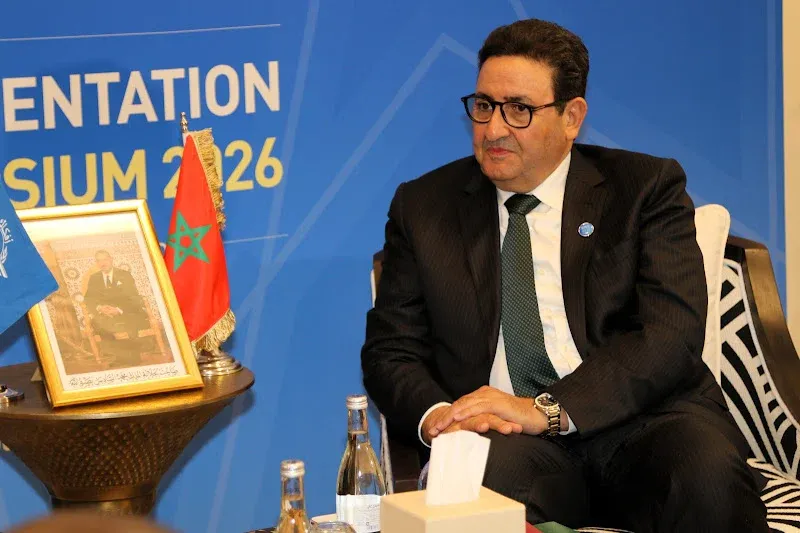
During the official pre-launch press conference held on March 31, 2026, in Rabat, Amal El Fallah Seghrouchni, the Minister of Digital Transition and Administrative Reform, emphasized that GITEX Africa is the largest technological event on the African continent. She noted, "It has evolved from a simple exhibition to a genuine global strategic platform where public decision-makers, investors, entrepreneurs, and innovators converge to address significant digital challenges." This event is crucial for fostering tangible partnerships and developing solutions in key sectors such as artificial intelligence, cybersecurity, digital infrastructure, fintech, and smart cities. The 2026 edition stands out with 1,450 exhibiting companies and startups, over 400 international investors representing more than $350 billion in assets, participants from over 130 countries, and more than 50,000 expected visitors. The minister stated, "For Morocco, GITEX Africa serves as a strategic showcase for our digital ecosystem, an attractive lever for investment, and an accelerator for our startups."
This year, the Morocco 300 initiative supports 300 startups from 31 sectors across 32 cities, marking a 50% increase from the previous edition. "A Moroccan startup, Yakeey, recently raised $15 million, the largest funding round in Moroccan startup history, initiated at GITEX," the minister proudly highlighted. This confirms that the event has become a true platform for financing, acceleration, and internationalization for innovative Moroccan companies.
Additionally, the minister highlighted the significance of territorial innovation, citing the RamadanIA hackathon as a strong example. Nearly 4,000 youths from all regions of the Kingdom were mobilized to develop innovative solutions addressing concrete needs in various fields, from digital public services to smart mobility, digital inclusion, environmental issues, and energy. This initiative illustrates that innovation in Morocco is no longer concentrated in select hubs but is now widespread, driven by an engaged and creative youth capable of proposing impactful solutions.
According to the government official, the launch of the JAZARI network of institutes complements this ecosystem. "This network structures a national innovation ecosystem in artificial intelligence, based on a territorial model and oriented towards applied research. Through a central governance hub and a network of regional institutes, this initiative aims to strengthen synergies between universities, businesses, administration, and startups while developing concrete solutions to meet national priorities." Internationally, the minister noted that through the Digital for Sustainable Development initiative, developed in partnership with the United Nations Development Program, Morocco promotes skills transfer, responsible innovation, and supports African and Arab countries in their digital transformation through a win-win cooperation model. With GITEX Africa Morocco 2026, the focus is clear: to solidify Morocco's position as a regional innovation hub, enhance its attractiveness for digital investments, and assert its role as an engaged player in building African digital sovereignty.
The Youth at the Heart of Transformation
Amine El Mezouaghi, Director General of the Digital Development Agency, echoed similar sentiments. He believes that digital transformation in Africa is reaching a decisive stage, transitioning from mere technology adoption to a more advanced phase centered on innovation, value creation, and local solution production. "Through events like GITEX Africa, which gathers numerous technological actors, investors, and decision-makers, the continent asserts its desire to become a major player in the digital realm rather than just a consumer market." In this dynamic, Morocco positions itself as a strategic hub in Africa, capable of attracting investments and structuring a competitive digital ecosystem. The digital landscape is no longer merely a technical tool but a matter of sovereignty, economic security, and long-term competitiveness. The DG of the ADD also emphasized the importance of human capital, especially the youth, seen as an essential driver of this transformation. With adequate support and a conducive environment, they can develop innovative solutions with international reach. His message is clear: digital transformation represents a major opportunity to build a sustainable economy, strengthen cooperation among countries, and position Africa as a key player in the global technological landscape.
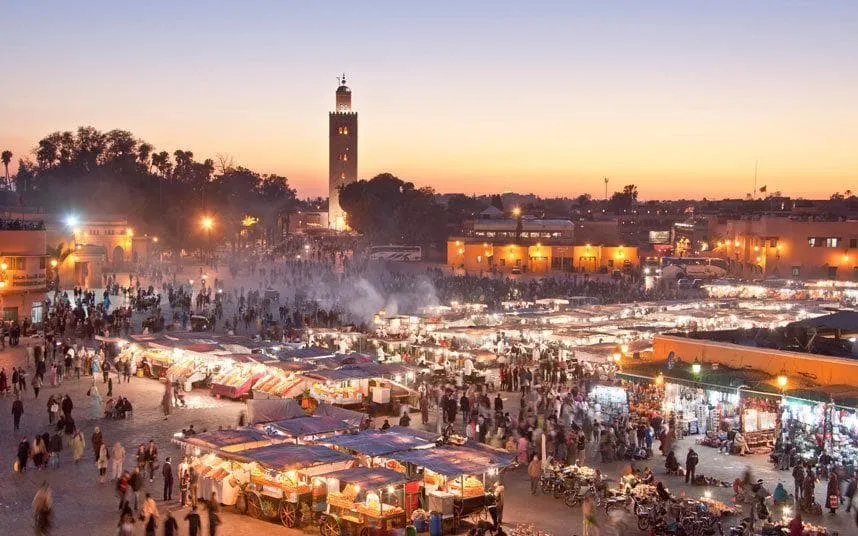
Today, it is evident that Marrakech is becoming the nerve center of African digital innovation, where the continent is not just following the digital revolution but is starting to construct it.
As for what GITEX 2026 holds, it promises:
- Unprecedented sectoral hubs: smart infrastructure for data centers, fintech, and the future of finance with mobile money, financial inclusion through AI, future mobility with electric and connected transport, and Sports Tech with smart sports infrastructures and athlete performance optimization technologies.
- Artificial intelligence and cybersecurity: the STAR summit (Strategic Digital Defence AI Readiness), in partnership with DGSSI, prepares African companies to protect their critical infrastructures against AI-driven threats.
- Startups and investors: over 800 startups benefit from the North Star Africa platform, gaining access to more than 400 international investors and opportunities for financing and strategic partnerships.
- A pan-African and global crossroads: with 1,450 exhibitors, 130 represented countries, and 50,000 expected participants, GITEX Africa Morocco confirms its role as a catalyst for innovation and digital transformation on the continent and as a strategic showcase for Morocco.
- Expanded international presence: new participating countries including Croatia, the Czech Republic, Denmark, Guinea, Hungary, Luxembourg, Thailand, and Zambia.
As reported by lematin.ma.