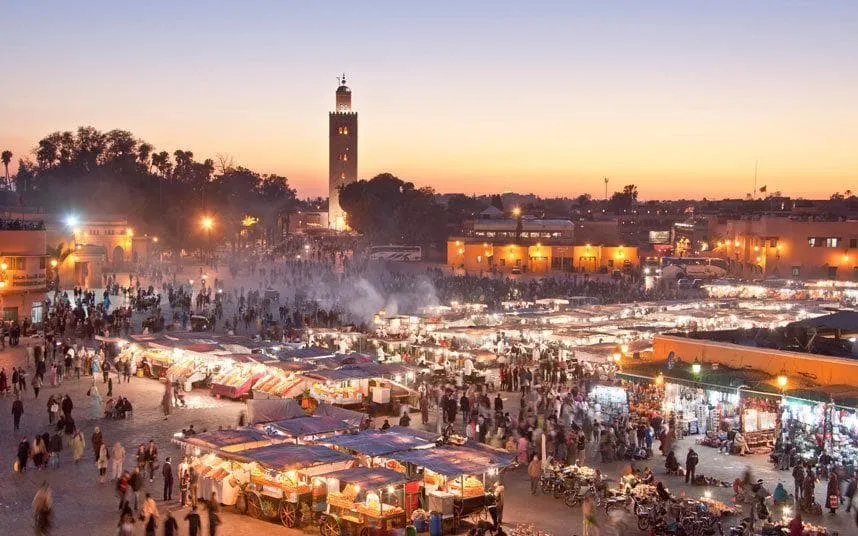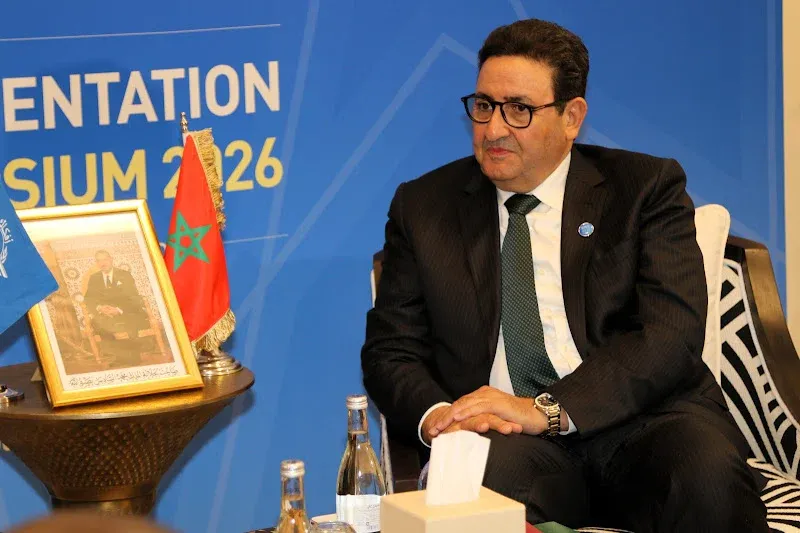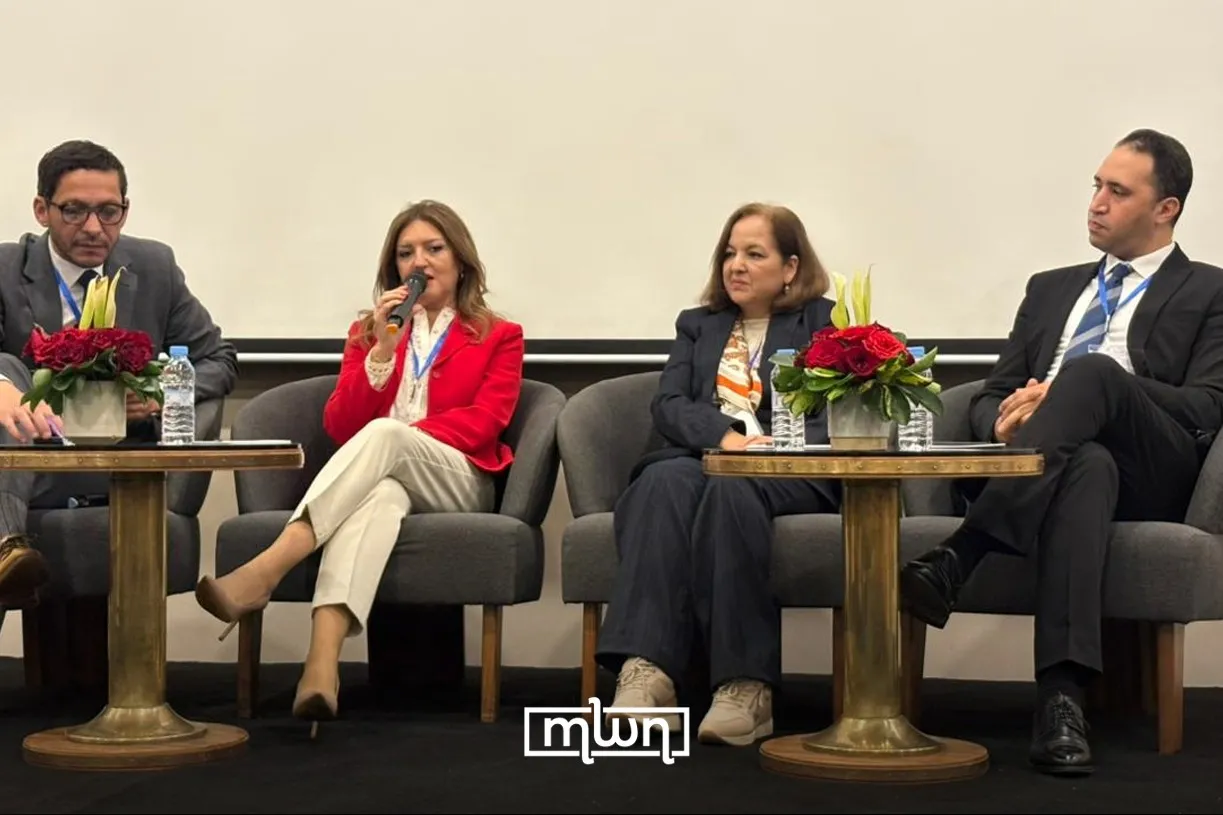
The escalating geopolitical tensions in the Middle East, particularly the ongoing conflict between Iran and the United States along with Israel, have significantly influenced the current iteration of the "GITEX Africa 2026" event, which commenced yesterday in Marrakech. Originally, it was anticipated that technology firms and sovereign investment funds from Gulf countries—especially the UAE, Saudi Arabia, and Qatar—would serve as the backbone of this exhibition, given their leadership in sectors like artificial intelligence and smart cities. However, the widening scope of the war in the Middle East, coupled with threats to maritime routes and airspace, led numerous major companies to formally withdraw their participation.
This withdrawal was not merely an administrative decision; it was necessitated by unavoidable circumstances and the increasing tempo of security threats in the region. The absence of these companies created a considerable void, as they had represented the "added value" that attracted innovative and aspiring African startups seeking funding or strategic partnerships. The organizers had hoped to position the "GITEX Africa 2026" as a platform for the influx of Gulf capital into the African continent, but it has now become a gathering lacking the presence of key financial and technological decision-makers from the Arab world.
For those companies that insisted on attending, they faced numerous logistical challenges. The disruption of air travel in the Middle East due to missile strikes and the mutual threats between Tehran and Tel Aviv, alongside American intervention, rendered air travel a daunting and expensive endeavor. According to exclusive data from "Assahifa," this situation resulted in a reduction of participant delegations. Rather than sending full technical and marketing teams, companies opted for symbolic representation or even resorted to participating "remotely," which deprived the event of its essence, which relies on direct interaction and "striking deals behind the scenes."
Similarly, the withdrawal or delayed arrival of major Gulf and American companies altered the participant profile. Executives and personalities whose presence would have lent global weight and luster to the exhibition were conspicuously absent. This gap was attempted to be filled by local African companies or firms from geographical regions less affected by the conflict; however, the disparity in technical and financial capabilities remained evident.
In a moment regarded as a historic step and a victory for international justice and collective memory, the United Nations General Assembly adopted a resolution on Wednesday characterizing the transatlantic slave trade and race-based slavery as "the most heinous crime committed against..."
As reported by assahifa.com.