Fuel Prices on the Rise in Morocco
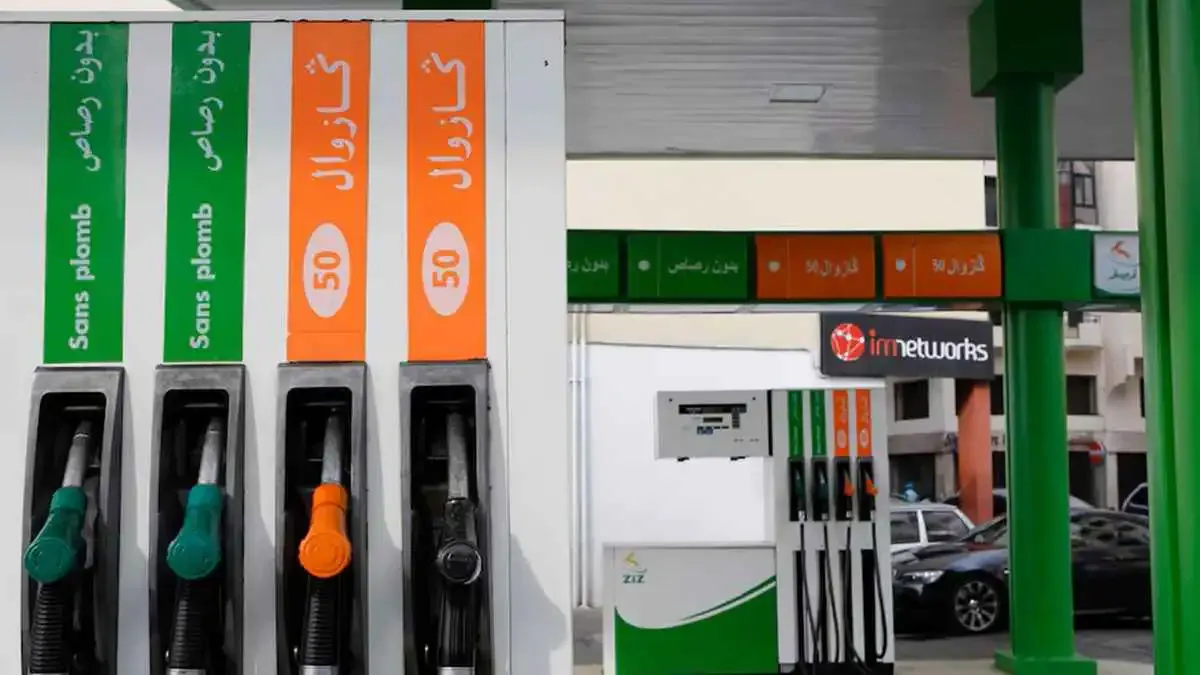
As the geopolitical tensions in the Middle East persist, the price of fuel in Morocco is anticipated to escalate to unprecedented levels, potentially nearing 18 dirhams (approximately $1.92) per liter. This situation is largely driven by the global surge in oil prices, which could hit around $150 per barrel. The implications of rising fuel prices are significant for the Moroccan populace as they directly influence transportation costs and the prices of goods and services, making any fluctuations in fuel costs a matter of keen interest for consumers and various economic sectors alike.
In recent observations, the fuel prices in Morocco have experienced three consecutive hikes since the beginning of March 2026, implemented in phases approximately every 15 days. This trend reflects a rapid acceleration in price increases. Notably, there was a substantial spike in mid-March, with fuel prices rising by about 13.9% compared to the previous month. During this period, diesel prices surged by nearly two dirhams per liter, while gasoline prices increased by approximately 2.4 dirhams, bringing them to levels ranging between 13 and 14 dirhams per liter—figures not seen since the global energy crisis of 2022.
Latest Price Adjustments for Fuels
The most recent increase in fuel prices took effect at the beginning of April 2026, resulting in new price levels that are as follows: premium gasoline is now priced at 15.52 dirhams per liter, and diesel at 14.52 dirhams per liter. It is important to note that the exchange rate stands at 1 US dollar equating to 9.37 Moroccan dirhams. Data from energy analytics platforms indicate that gasoline prices have surged by approximately 29.7% since February, while diesel prices have skyrocketed by 41.4% over the same period, illustrating the intense pressures on the local market.
Following the latest price adjustments, Morocco has witnessed three price increases within a single month, coinciding with the onset of the Iran conflict. The increases occurred as follows: the first on March 1, the second on March 16, and the third on April 1. The trajectory of fuel prices in Morocco is closely tied to global oil price movements, especially since the decision to deregulate fuel prices in 2015, which has rendered the local market more susceptible to external fluctuations.
Morocco relies heavily on imports for over 94% of its energy needs due to limited domestic refining capabilities, causing local prices to react quickly to any changes in Brent crude prices, shipping costs, and insurance rates. With oil prices surging to approximately $120 per barrel, spurred by Middle Eastern tensions and disruptions in supply chains, the economic landscape in Morocco remains highly vulnerable to global energy market dynamics.
As reported by attaqa.net.