Emergence of a New Generation of Leaders in Morocco
In Morocco, the journey from rural agricultural backgrounds to high governmental positions has seen a notable evolution. This transformation, chronicled in a recent article by Al Akhbar, highlights the emergence of a new generation of technocrats and decision-makers, primarily from prominent agricultural families. Since the country gained independence, it has consistently turned to the offspring of notable rural figures to assume key roles within the government. This trend underscores a vital connection between Morocco's rural heritage and its contemporary political landscape.
The article spotlights several influential figures who have successfully navigated their educational journeys to secure significant government roles. For instance, Ahmed El Bouari, the current Minister of Agriculture, Maritime Fisheries, Rural Development, and Water and Forests, hails from the province of Ouezzane and boasts an engineering degree in Rural Engineering from the Hassan II Agronomic and Veterinary Institute, obtained in 1990. His trajectory exemplifies the pathway for individuals from similar backgrounds to ascend the ranks of power.
Profiles of Prominent Figures
In the region of Souk El Arbaa du Gharb, Ahmed Ben Mansour Nejjaï stands out as a historical figure, having served as Minister of Agriculture in the inaugural government of Mbarek Bekkaï in 1955. His tenure symbolizes the early representation of Gharb notables within the Moroccan power structure. Another significant figure is Abdelkader Benslimane from Rommani, who has held multiple governmental and diplomatic positions, including Minister of Finance and Ambassador to several European nations. His extensive career reflects the diverse roles that individuals from these rural backgrounds can achieve.
Similarly, Mohammed Ouzzine, born in Ifrane, has made his mark as the Minister of Youth and Sports after a successful stint in diplomacy, demonstrating the potential for rural youth to contribute significantly to national governance. The article also mentions Cheikh Abou Chouaib Doukkali Seddiki from Doukkala, who served as Minister of Justice, and Driss Jettou from El Jadida, a former Prime Minister and prominent political figure.
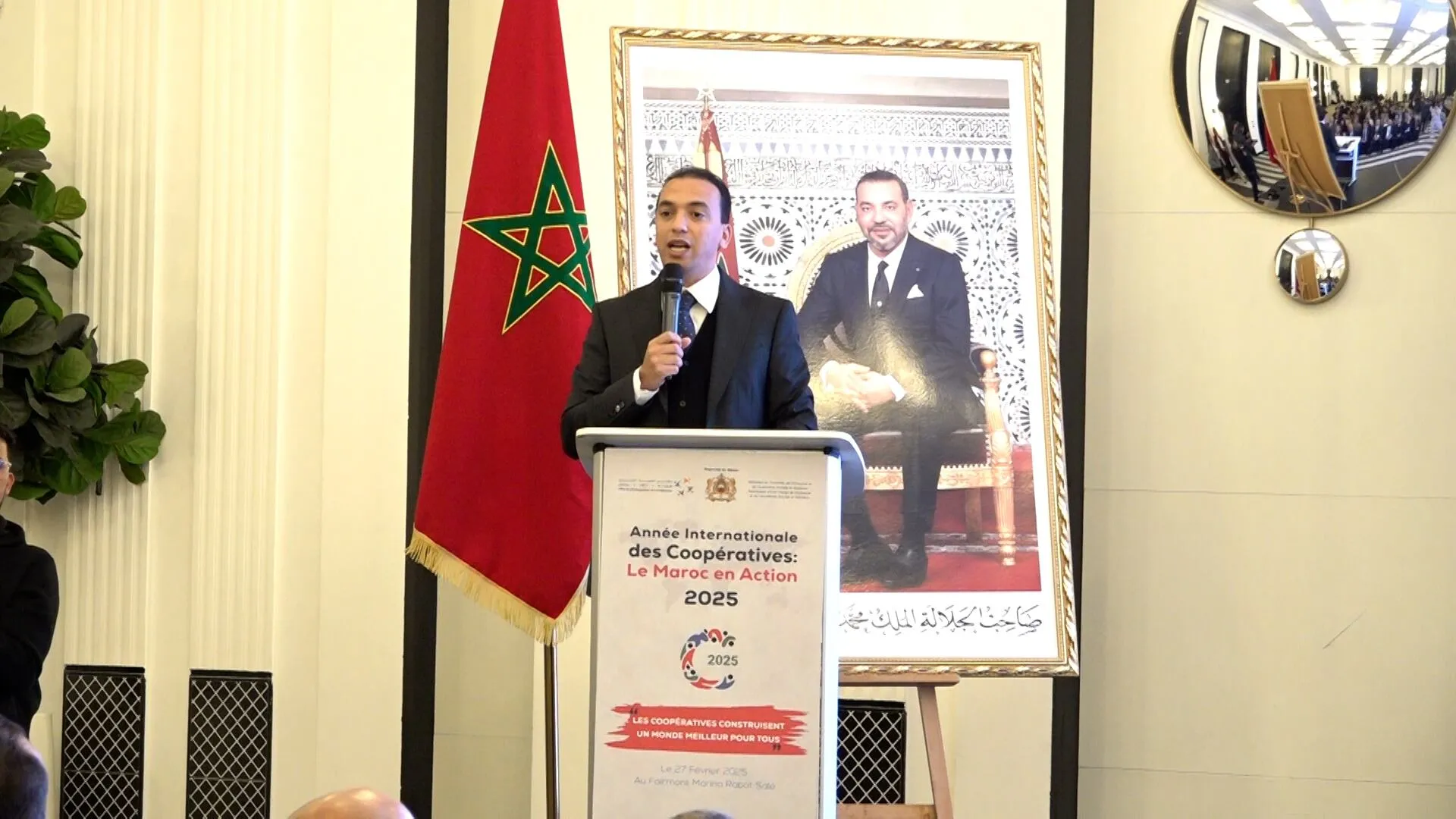
This trend is not limited to historical figures; contemporary leaders like Lahcen Saadi, the current Secretary of State for Crafts and Social and Solidarity Economy, continue to emerge from these roots, further bridging the gap between rural origins and high-level governance. As Morocco progresses, these narratives of success serve as a testament to the country's ability to cultivate leadership from its diverse backgrounds, ensuring that the voices of rural communities are represented in the corridors of power.
As reported by fr.le360.ma.