A Deep Dive into Rachid Benzine's Narrative
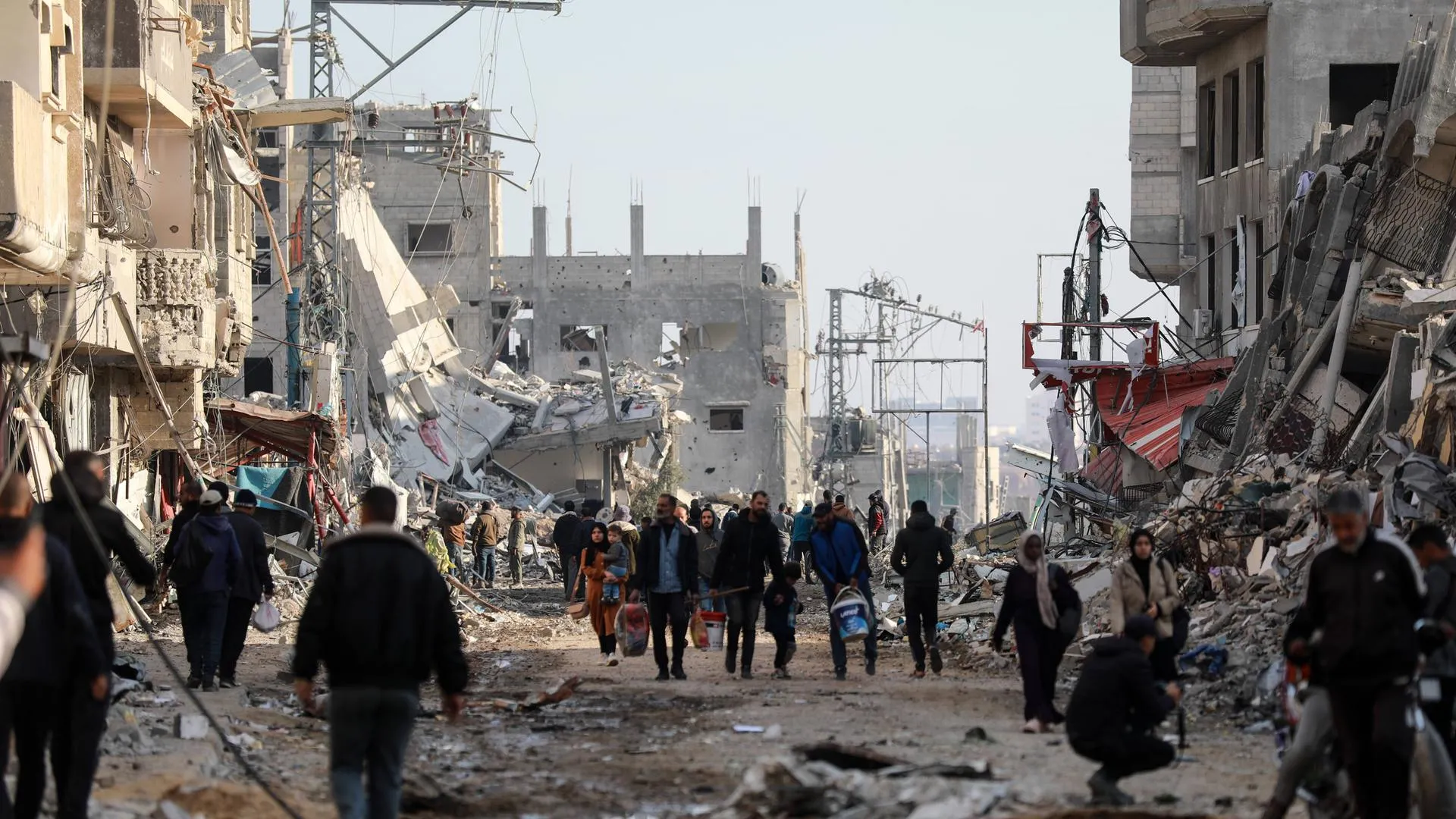
Every year, nearly 100,000 German-language books flood the market, showcasing the vibrant literary landscape that continues to evolve. Among these literary treasures, Rachid Benzine's compelling novel, "The Bookseller of Gaza," stands out as a significant exploration of identity, resistance, and the quest for dignity among oppressed peoples. Through the character of Nabil, a bookseller in Gaza, Benzine weaves a narrative that not only highlights the struggles faced by individuals in a challenging socio-political environment but also emphasizes the fundamental right to resist and assert one's dignity.
The Legitimate Struggle for Dignity
In the novel, Benzine draws on themes articulated by influential thinkers like Frantz Fanon, who eloquently describes the fight of subjugated populations to reclaim their dignity. This resonant message within the narrative reminds us that rebellion against oppression is not only a necessity but also a legitimate response to injustice. As Nabil navigates his life amidst the complexities of Gaza, readers are invited to reflect on their own perceptions of resistance and the moral imperatives that underpin the struggle for freedom. The story serves as a poignant reminder of the power of literature to bring awareness to the plight of marginalized communities and to inspire empathy and understanding across cultures.
As reported by deutschlandfunkkultur.de.