Casablanca: A Hidden Gem in Moroccan Tourism
Casablanca, Morocco's economic capital, ranks as the third most popular tourist destination in the country, trailing behind Marrakech and Agadir in terms of overnight stays in classified establishments. Despite its significant potential for cultural, leisure, beach, and shopping tourism—often overlooked in marketing efforts—Casablanca struggles to attract a considerable number of international tourists. The question arises: why does this vibrant city, with its rich history and iconic sites, lag behind its counterparts in tourism appeal?
In the first quarter of 2026, Casablanca registered 768,000 overnight stays, marking a 21% increase but still a mere 8% market share compared to Marrakech's 3,318,000 and Agadir's 1,928,000 overnight stays. While arrivals at Mohammed V Airport in Casablanca reached 712,000—a 24% rise from the previous year—Marrakech Menara Airport led with 1,289,000 arrivals, an increase of 10%. Despite hosting the kingdom's largest airport, which can accommodate 14 million passengers with direct connections from Asia and North America, Casablanca has not been able to leverage this advantage effectively to draw in more visitors. What factors contribute to this underperformance?
Challenges in Promoting Casablanca as a Must-Visit Destination
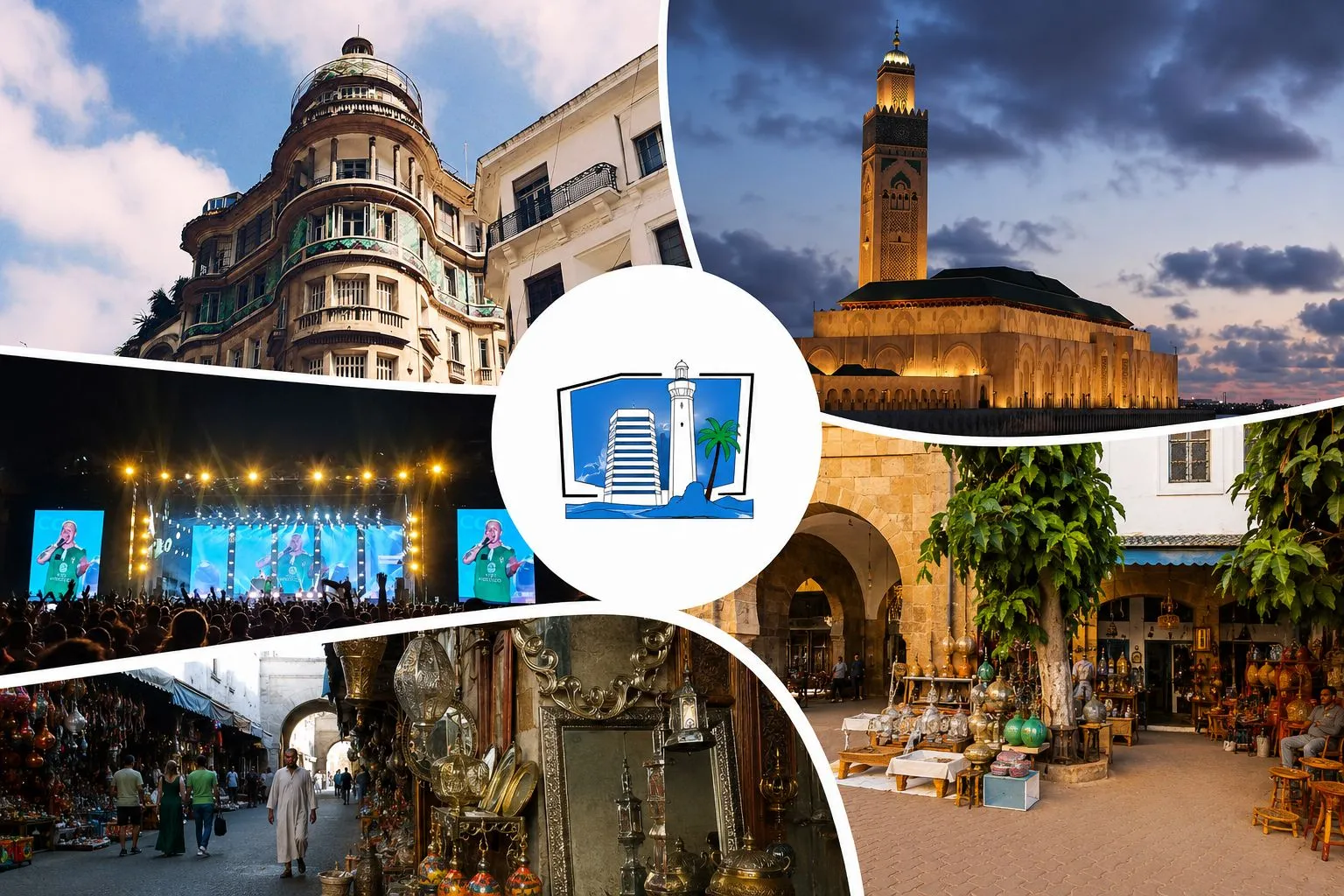
Casablanca's allure includes its legendary cinematic history, the stunning Corniche, vibrant nightlife, cultural festivals, the magnificent Hassan II Mosque, and both modern and traditional shopping centers, not to mention its historical neighborhoods like Habous and the Medina. Yet, most international tourists are primarily attracted for business purposes, with the national MICE (Meetings, Incentives, Conferences, and Exhibitions) sector historically favoring Marrakech. This trend reflects a need for a dedicated conference center in Casablanca that can meet international standards. The critical question remains: why does the city fail to promote itself effectively on the global stage?
The responsibility for tourism promotion lies with the Regional Tourism Councils (CRT), of which there are approximately ten across Morocco, each funded by their respective regions, the National Office of Tourism, local municipalities, and various partnerships. An expert in the field notes that the CRTs in different regions are meant to complement each other, but they face similar challenges, including insufficient financial resources to hire a permanent, skilled staff, manage professional travel, organize events, and conduct international promotions. For the Casablanca-Settat region, the annual budget is a modest 10 million dirhams, with only 600,000 dirhams allocated for operational expenses. The ONMT contributes 6 million dirhams for direct promotional efforts, with additional funding from regional and municipal sources. This budget falls short of the CRT's expectations for promoting a multifaceted destination, which should include digital marketing, social media engagement, influencer partnerships, storytelling, advertisements, brochures, international exhibitions, and media coverage. In the age of artificial intelligence, innovative approaches such as interactive tourist circuits in Habous or an AI influencer to promote Casablanca could significantly enhance its appeal.
In contrast, Marrakech has successfully established itself as an internationally recognized brand, enjoying robust promotion through social media and international television networks. Celebrity endorsements of Marrakech experiences, along with its stunning hotels and world-renowned Moroccan cuisine showcased on global cooking programs, have positioned it as a must-visit destination. Despite Marrakech's impressive 13.66 million overnight stays in 2025, surpassing Casablanca's 3.18 million, tourism professionals continue to call for improved infrastructure to support its growth. Upcoming projects, including a conference palace and high-speed rail connections, are anticipated to enhance tourism in the region, especially with Morocco co-hosting the 2030 World Cup alongside Spain and Portugal. Meanwhile, the promotion efforts in Casablanca remain stagnant. The city has much to offer, but it needs a strategic revitalization in its marketing approach to truly shine on the global tourism stage.
As reported by lenouvelliste.ma.