Current State of Tensions in the Strait of Hormuz
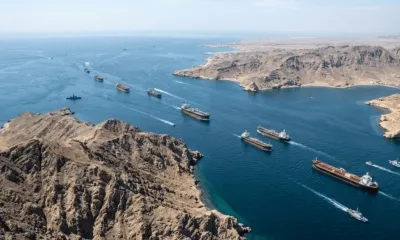
The Strait of Hormuz is currently reflecting a state of acute tension, primarily due to the stalled negotiations between Iran and the United States, coupled with ongoing disagreements over key issues. Despite repeated signals indicating partial progress, significant gaps remain in fundamental matters. Iranian Parliament Speaker Mohammad Baqer Qalibaf has emphasized that the path toward a final agreement remains lengthy, highlighting deep divides on core issues, even as talks continue. This statement emerges amid increasing international pressures to reopen this vital maritime corridor, through which nearly one-fifth of the world's energy trade transits.
Iran's Strategic Position
Tehran regards the Strait of Hormuz as a central leverage point in its confrontation with U.S. sanctions, clearly linking any potential reopening of the strait to the broader dialogue with Washington. This strategic maneuvering underscores Iran's intention to maintain significant control over this crucial passage, which is essential not only for its own economic interests but also for the global energy market at large. In response to heightened tensions, preparations are reportedly underway for potential military actions, with U.S. and Israeli forces on alert for possible strikes against Iranian energy facilities. This scenario paints a complex picture of geopolitical maneuvering, where both sides are engaged in a high-stakes game of pressure and diplomacy.
As reported by ar.lemaghreb.tn.