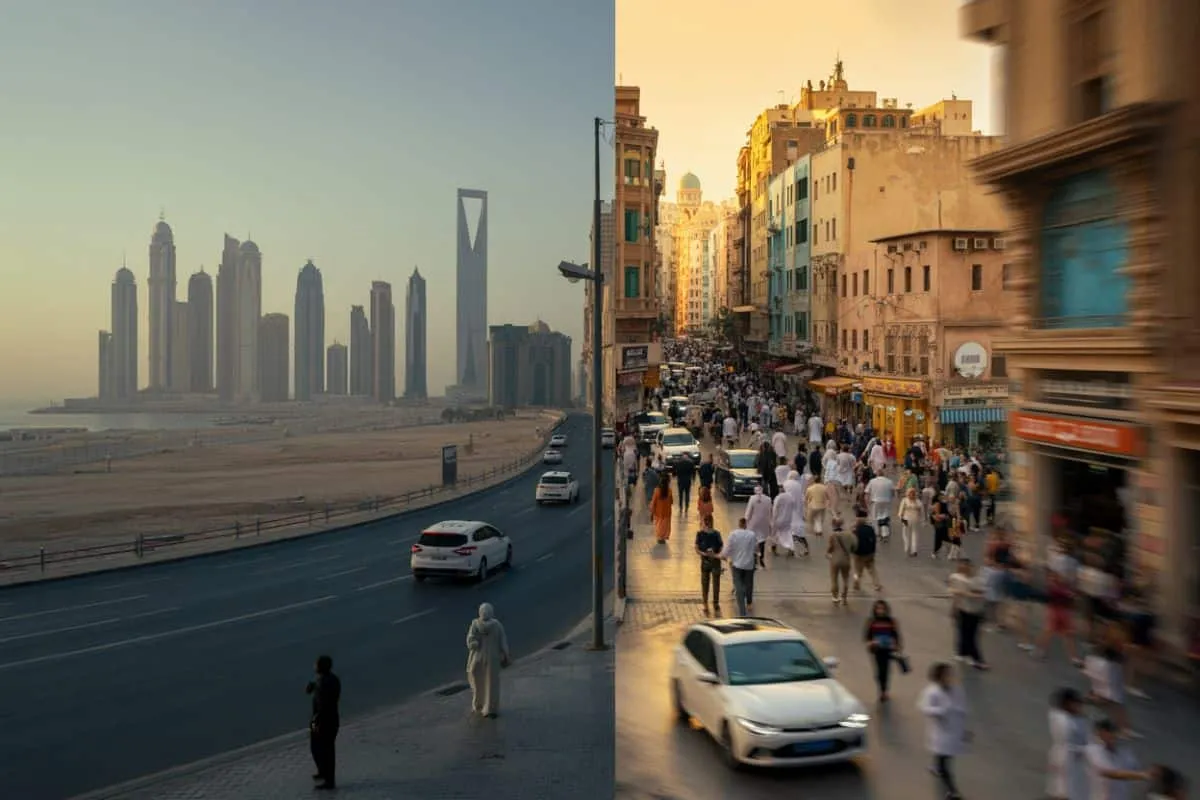
The landscape of Middle Eastern tourism is undergoing a significant transformation as Turkey, Azerbaijan, Kazakhstan, Egypt, Armenia, and Morocco emerge as leading beneficiaries of this shift. This change is largely attributed to the increasing travel demand moving away from traditional hotspots such as the UAE, Saudi Arabia, Qatar, and Israel, driven by ongoing geopolitical tensions and uncertainties surrounding airspace. Industry analysts project that affected destinations could see a short-term decline in tourism of anywhere between 20% to 35% during peak disruption periods. This evolving scenario is not simply a downturn but indicates a significant redistribution of international travel patterns, highlighting the emergence of diverse destinations that offer safety, affordability, and accessibility as key attractions.
Governments in these emerging tourism destinations are proactively crafting policies to enhance their appeal. Turkey is broadening its tourism portfolio through a rich tapestry of cultural, coastal, and urban experiences, all supported by a robust national tourism strategy. Azerbaijan is solidifying its status as a burgeoning tourist hotspot through the implementation of digital visa systems and significant investments in infrastructure. Kazakhstan is aggressively promoting its tourism sector with visa-free entry policies and enhancements to its transportation networks. Egypt, a historical leader in tourism, is revitalizing its heritage tourism offerings with continued government support. Armenia is emphasizing its cultural tourism, backed by simplified entry systems, while Morocco is expanding its global tourism presence through comprehensive national tourism roadmaps and affordability-focused initiatives.
Despite the challenges posed by the current geopolitical climate, data and official communications indicate that these countries are navigating similar short-term hurdles rather than experiencing disparate impacts. The UAE continues to boast strong tourism infrastructure and global connectivity, but there has been a slight shift in traveler sentiment due to regional dynamics. Saudi Arabia remains dedicated to its long-term tourism ambitions, even as it faces temporary fluctuations in visitor numbers. Qatar continues to draw international tourists through various events and sports tourism initiatives, supported by its national tourism authority. Israel, while navigating complex geopolitical situations, has historically maintained a resilient tourism sector, particularly in heritage and religious tourism, although recent developments have affected travel decisions.
Overall, rather than experiencing a downturn, these countries are adapting to a transitional phase marked by strategic adjustments. A common thread across both emergent and established tourism markets is the implementation of forward-thinking government policies. Countries experiencing growth in tourism share a commitment to proactive measures such as visa liberalization, infrastructure development, and digital transformation. For instance, both Turkey and Morocco have ramped up their international marketing campaigns. Azerbaijan and Kazakhstan have streamlined their entry requirements, while Egypt and Armenia are enhancing visitor experiences through heritage conservation and improved tourism services.
The Gulf states are not resting on their laurels either; they continue to invest in large-scale projects, aviation hubs, and hospitality infrastructure to maintain their competitive edge, despite facing short-term setbacks. This alignment of policies across regions underscores that the growth of tourism is not a matter of chance but rather a result of strategic planning and execution.
Safety perception is a crucial factor influencing travel decisions in both emerging and established destinations, albeit in different ways. Gulf countries and Israel are actively managing perception challenges stemming from regional events. Effective government communication plays an essential role in sustaining traveler confidence. Conversely, emerging destinations are benefiting from a perception of stability, making them more attractive to travelers seeking assurance amid geopolitical uncertainties. Official tourism boards in these countries are emphasizing their safety, accessibility, and hospitality to cultivate a favorable image.
Affordability is another critical aspect influencing traveler choices across all the countries mentioned. Emerging destinations like Kazakhstan, Armenia, and Morocco present cost-effective travel options bolstered by government tourism initiatives. Meanwhile, Turkey and Egypt strike a balance between affordability and premium experiences, catering to a wide array of traveler preferences. Azerbaijan stands out with competitive pricing combined with rich cultural experiences. In contrast, the UAE, Saudi Arabia, and Qatar focus on premium tourism segments, which, despite their world-class offerings, may deter some travelers due to higher costs during uncertain times.
The importance of connectivity also cannot be overstated. Turkey serves as a pivotal aviation hub linking Europe, Asia, and the Middle East. The UAE and Qatar remain at the forefront of global airline connectivity through their major carriers. Meanwhile, Kazakhstan and Azerbaijan are expanding regional air routes and transit systems, while Egypt maintains strong international connections thanks to its established tourism industry. Morocco enjoys proximity to Europe, enhancing its extensive flight networks, and Armenia is enhancing its connectivity through regional partnerships.
Government aviation authorities play a significant role in expanding routes and ensuring operational efficiency, which is vital for supporting both the redistribution and long-term growth of tourism. The ongoing redistribution of tourism signifies a more balanced global travel ecosystem, with government strategies across these nations indicating that tourism will likely become increasingly diversified instead of concentrated. Gulf countries will continue to excel in luxury, business, and event tourism, while emerging destinations will solidify their roles in cultural, nature-based, and budget-friendly travel segments.
This shift opens doors for collaboration, leading to a rise in multi-destination travel experiences where tourists might explore multiple countries within a single region. Cooperation and policy alignment among governments will be essential in shaping this future, resulting in a resilient and adaptable tourism network.
The current shift in Middle Eastern tourism reflects a clear transformation in the distribution of global travel demand rather than an overall decline in tourism activity. Countries such as Turkey, Azerbaijan, Kazakhstan, Egypt, Armenia, and Morocco are fortifying their positions through government-backed policies, improved accessibility, and competitive pricing, making them compelling alternatives for international travelers. Meanwhile, the UAE, Saudi Arabia, Qatar, and Israel are poised to maintain their long-term tourism potential, despite short-term fluctuations driven by geopolitical tensions and changes in traveler sentiment.
As reported by travelandtourworld.com.