Significant Savings for American Farmers
The initial shipments of duty-free Moroccan phosphate fertilizer are expected to reach the United States imminently, following the suspension of import duties by the Trump administration on June 29. According to USDA Deputy Secretary Stephen Vaden, this development is poised to play a crucial role in alleviating the financial pressures faced by American farmers, whose profitability has been continuously strained by soaring input costs. The USDA estimates that this policy change could lead to savings of approximately $1.82 billion annually, benefiting nearly 100,000 farmers across 97 million acres of cultivated land. This shift represents one of the most consequential agricultural policy updates of the year, potentially reshaping the economic landscape for producers nationwide.
Impact on Fertilizer Markets and Agricultural Practices
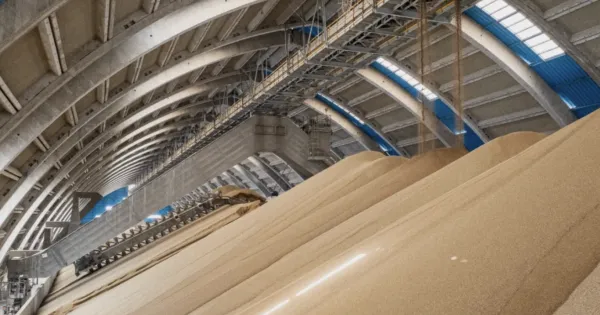
As the world's leading phosphate producer, Morocco's OCP Group is reportedly in the final stages of logistics planning to commence shipments to New Orleans as early as next week. The hope is that this influx of supply will alleviate the ongoing volatility in fertilizer markets, which have been exacerbated by global trade disruptions and geopolitical tensions, particularly in the Middle East. Although current fertilizer prices remain elevated, with MAP averaging $954 per ton and DAP at $912 per ton, USDA officials anticipate that the market will respond positively once the first shipments dock at U.S. ports. The temporary suspension of duties is projected to reduce phosphate fertilizer costs by as much as 22%, offering essential financial relief to grain producers who are currently grappling with reduced commodity prices and tighter profit margins.
The suspension, which is based on time rather than volume, allows for unlimited imports of Moroccan fertilizer until it expires in February 2027. This aspect of the policy enables retailers to secure supplies now, potentially leading to lower prices that extend well into the future, thus enhancing profitability for both retailers and farmers. The strategic timing of this policy change is critical as uncertainties surrounding global fertilizer trade persist, particularly with the shipping risks associated with tensions near the Strait of Hormuz, a vital corridor for energy and fertilizer supplies. Any disruptions could further tighten global fertilizer availability and drive prices upwards once again.
Furthermore, this policy shift coincides with intensified federal investigations into possible anti-competitive practices within the fertilizer industry. The Federal Trade Commission and the Department of Justice are scrutinizing whether market concentration and collusion have contributed to the significant rise in fertilizer prices since 2020. Farm organizations, including the Iowa Corn Growers Association and 16 other state corn groups, are urging federal authorities to hasten these investigations to restore competition within agricultural input markets.
In the coming weeks, USDA officials plan to encourage farmers to report any suspected unfair business practices, with a formal reporting mechanism expected to be introduced soon. The anticipation of increased regulatory scrutiny on fertilizer companies adds another layer of complexity to the market dynamics. For many producers, the arrival of duty-free Moroccan phosphate is seen as not only a vital source of immediate financial relief but also a crucial test of whether heightened competition can successfully reduce one of agriculture's most burdensome expenses. The implications of this policy change extend beyond merely lower input prices; reduced fertilizer costs could positively influence planting decisions, support expansion of cultivated acreage, and strengthen farm balance sheets as they head into 2027. In a climate where uncertainties regarding commodity prices, weather conditions, and global trade tensions prevail, the prospect of cheaper fertilizer may emerge as one of the few encouraging developments for U.S. agriculture in the year ahead.
As reported by agrolatam.com.