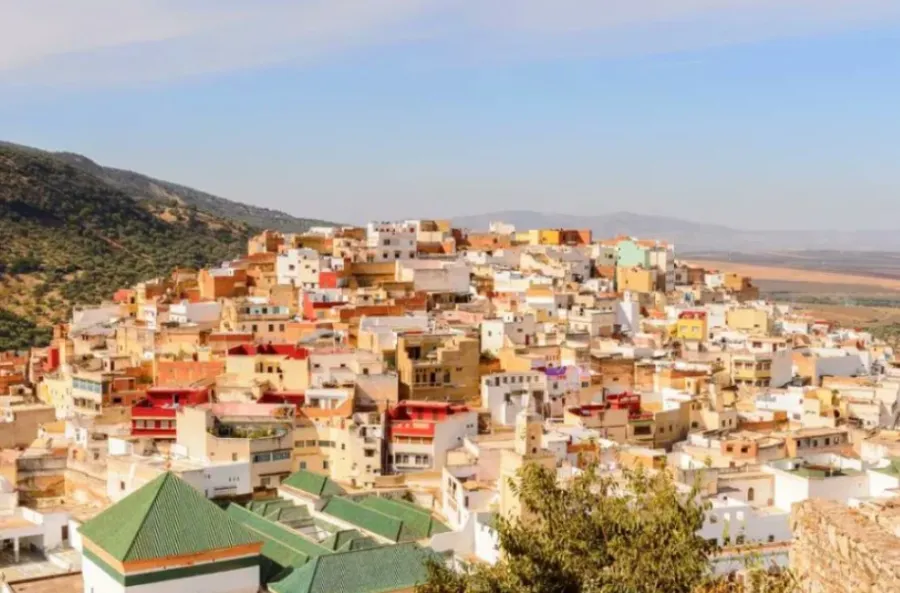

Explore the Rich Heritage of Meknes
Meknes, often overshadowed by its larger neighbor Fez, is a captivating city that offers a unique glimpse into Morocco's imperial history. Despite receiving fewer tourists, Meknes boasts an abundance of charm and historical significance, making it a worthy destination for travelers seeking an authentic experience. The remnants of its three fortification complexes speak volumes about its illustrious past, seamlessly integrated into the city's modern infrastructure. Today, visitors can wander through its ancient pathways and discover the remnants of a once-great empire.
One of the city's most notable landmarks is the majestic Mausoleum of Sultan Moulay Ismail, which is surrounded by the stunning Bab Mansour gate and the vibrant Lhdim Square, reminiscent of Marrakech's famous Jemaa el-Fnaa. Meknes is home to over 40 kilometers of impressive defensive walls and numerous mosques, earning it a well-deserved place on UNESCO's World Heritage list due to its historical medina and the remnants of its royal palace.
The Historical Significance of Meknes
The name "Meknes" derives from the Berber tribe of the Miknasa, who settled in the area during the 10th century. The Almohads and the Merinids expanded the ancient city and constructed some of the oldest landmarks that still stand today. However, Meknes reached its zenith in the 17th century under the rule of Sultan Moulay Ismail, who established it as the capital of his kingdom. He constructed an impressive 25 kilometers of walls, grand gates, and ambitious palace complexes, many of which remain incomplete due to his passing after a remarkable 55-year reign. Following his death, the city experienced a decline, further exacerbated by the devastating 1755 Lisbon earthquake, which significantly impacted its recovery efforts.
Today, Meknes is often referred to as the "Versailles of Morocco" and is celebrated for its rich architectural heritage. It is affectionately known as the "City of a Hundred Minarets," making it a must-visit during your travels in Morocco. Among the many attractions, three stand out as essential stops on any itinerary: the magnificent Bab Mansour, the stunning architecture of the city, and the impressive Mausoleum of Moulay Ismail.
Must-Visit Attractions in Meknes
Bab Mansour serves as the main gateway between Meknes and the imperial city. This monumental structure, completed in 1732 under the direction of Sultan Moulay Ismail (though finished posthumously), is heralded by many architects as one of the finest surviving examples of gateway architecture in North Africa. The intricate architectural details feature a generous use of zellij tiles and exquisite stone carvings, showcasing the artistry of the period.
While the gate is not accessible for direct passage, visitors can admire its grandeur from a nearby smaller side entrance, allowing for a full appreciation of its design. Meknes's tranquil atmosphere makes it an ideal retreat for those looking to escape the hustle and bustle of Fez, with convenient train connections making day trips to Fez entirely feasible.
As reported by sarayanews.com.