Marrakech, often referred to as the "Red City" due to the distinctive hue of its historic defensive walls and traditional earth-toned architecture, stands as a jewel of North Africa that has captivated travelers for decades. This vibrant destination is not merely a place to visit; it offers an immersive experience steeped in history and culture. The Medina, a UNESCO World Heritage Site, is the heart of Marrakech, characterized by its winding streets, bustling markets, and artisan workshops that create an environment for interaction between locals and visitors alike. Each day, individuals from around the globe converge here, eager to engage with the city’s rich tapestry of life.
Visitors to Marrakech are not simply seeking to check off a list of sights; they yearn for a deep connection with a city that continuously evolves, offering a myriad of sensory experiences. When planning their stay, many travelers prioritize accommodations that are conveniently located near this historic center, which UNESCO recognizes as an exemplary model of a major Islamic capital established in the 11th century. The Medina's layered architecture serves as a testament to its historical significance and cultural richness over the ages, showcasing its political and artistic evolution.
The Living History of the Medina
A common realization among tourists is that the Medina is not merely a static backdrop for photographs, but a vibrant, functional urban hub where daily life unfolds amidst the tourist experience. The intricate designs of stucco, carved cedar, and colorful mosaics that adorn the narrow alleys provide a visual feast, while the rhythm of local life pulses through the morning rituals of stall restocking and the resonant clinks of metalwork. This duality of authenticity and complexity ensures that no single visit can fully encapsulate the essence of Marrakech, prompting many return trips fueled by a desire to explore at a more leisurely pace. To facilitate this, accommodations close to the historical core are highly sought after, ensuring that visitors can easily partake in the most profound experiences that the city offers, whether it be in the serene quiet of dawn or the lively ambiance of dusk.
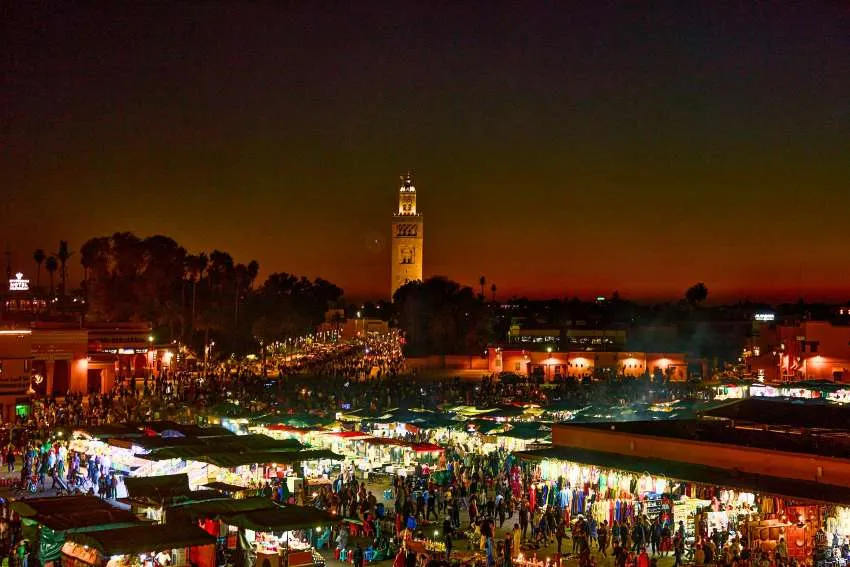
At the very center of the Medina lies Jemaa el-Fnaa Square, a UNESCO-recognized cultural epicenter of Marrakech that has symbolized the city since its inception in the 11th century. This vibrant square has been designated as a part of the Representative List of the Intangible Cultural Heritage of Humanity, highlighting the importance of preserving oral traditions and performance arts. By day, Jemaa el-Fnaa is alive with commerce and movement, transforming into a dynamic stage each evening as it bursts into a celebration of music, storytelling, and culinary delights. The square's role in shaping the identity of Marrakech cannot be overstated; it serves as a platform for cultural expression and social interaction, where tradition is not merely observed but actively participated in.
Exploring the Souks and Historical Wonders
The souks of Marrakech are more than just shopping districts; they represent a comprehensive network of traditional crafts and artisanal skills that have been adapted to meet the demands of modern tourism. Each street is dedicated to specific trades, such as leather, textiles, metalwork, and spices, creating a vibrant ecosystem where knowledge is passed down through generations. The presence of tourism has undoubtedly increased visibility and income for local artisans; however, it has also introduced pressures toward standardization and faster production methods. This tension between authenticity and commercialization is a topic of ongoing discussion among local stakeholders. While some view the influx of tourists as a vital opportunity for young artisans to remain within their traditional crafts, others express concern over the potential decline in quality and craftsmanship. As a result, discerning visitors often seek more enriching experiences that provide insights into the creative processes behind their purchases.
Throughout its storied history, Marrakech has been the seat of power for numerous dynasties, leaving behind remarkable historical sites that are now pivotal attractions for cultural tourists. The Bahia Palace, built in the late 19th century, is particularly notable for its expansive courtyards and gardens, which were once status symbols reflecting the political power of its inhabitants. Similarly, the ruins of El Badi Palace, originating from the 16th century, stand as monumental reminders of a bygone era of sultanic ambition. For travelers, these palatial sites offer a welcome respite from the bustling streets, inviting them to immerse themselves in a world of tranquil beauty and historical significance.
In contrast to the bustling Medina, the city’s gardens embody the Islamic tradition of landscape design, emphasizing distance and the delicate management of nature. The Menara Gardens, established during the Almohad period, are among the oldest in the western Muslim world, featuring an expansive irrigation basin and olive groves that create a peaceful horizon, distinct from the labyrinthine Medina. Meanwhile, the Jardin Majorelle represents a modern interpretation of cultural tourism, merging botany, innovative design, and museology to demonstrate that Marrakech is not solely reliant on its historical allure. This blend of classic and contemporary sites illustrates how heritage can be reinterpreted for today's audience, making the selection of accommodations that facilitate easy access to both the gardens and the Medina essential for visitors.
The skyline of Marrakech is punctuated by religious and educational landmarks that have significantly influenced the city's character. The Koutoubia Mosque, constructed in the 12th century, is a key symbol of Almohad architecture and serves as a focal point for the surrounding community. Nearby, the Medersa Ben Youssef is often regarded as an architectural masterpiece, drawing tourists with its intricate details and serene atmosphere, creating a sacred space that encourages extended exploration and a deeper understanding of the city.
Ultimately, Marrakech is a city where tradition is not locked away in museums but is instead actively negotiated and expressed through daily commerce, restoration efforts, and public life. The choice of where to stay plays a critical role in this narrative, as travelers seek to strike a balance between the lively energy of the nearby souks and the tranquil beauty of the historic gardens that lie a little farther afield.
As reported by travelandtourworld.com.