Exploring Marrakech: A Cultural and Historical Gem
Marrakech, Morocco, stands as one of North Africa's most vibrant travel hotspots, where centuries-old traditions seamlessly blend with evolving cultural experiences. Supported by insights from official Moroccan tourism and heritage institutions, this enchanting city presents an impressive array of historic landmarks, artistic hubs, and immersive local experiences that captivate travelers from around the globe throughout the year. Nestled near the majestic Atlas Mountains and bordering the vast Sahara Desert, Marrakech offers a striking juxtaposition of lively urban life and meticulously preserved heritage. At the heart of this city lies its medina, a UNESCO World Heritage site that forms the core of Marrakech’s tourism appeal, showcasing its cultural significance and rich history.
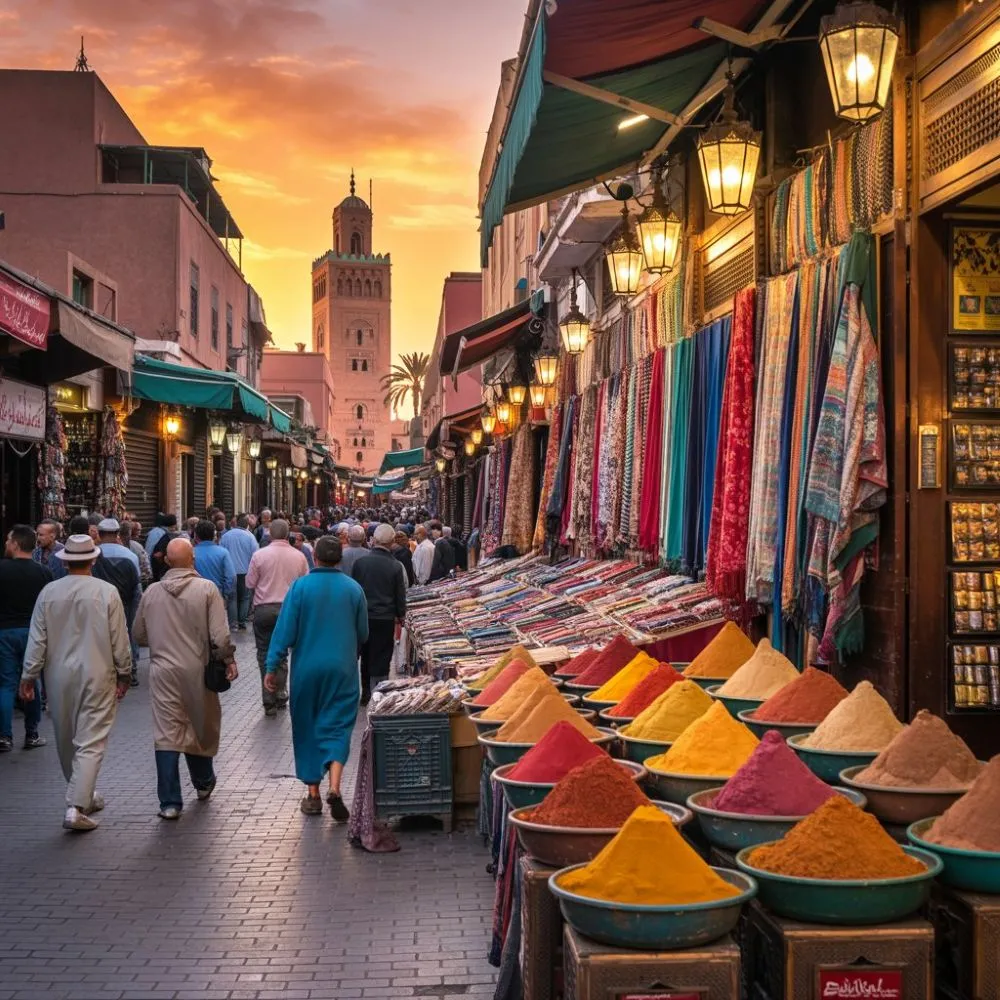
The historic medina pulses with life, where the renowned souks continue to thrive as bustling epicenters of trade and craftsmanship. These traditional markets, which have flourished for centuries, are deeply ingrained in Moroccan culture. Visitors can wander through various sections including Souq Sebbaghine, celebrated for its vibrant dyed textiles, and Souq Ableuh, famous for its aromatic olives and spices. Other areas like Souq Lebbadine, Souq Smata, and Souq Semmarine feature exquisite leather goods, intricate woodwork, and traditional footwear. According to Moroccan tourism authorities, these souks serve not only as marketplaces but also as vital cultural spaces that sustain artisanal traditions and skills passed down through generations.
The Cultural Heartbeat of Marrakech
One of the most iconic landmarks in Marrakech is the Djemaa el-Fna, a bustling square that has garnered international recognition and is celebrated by UNESCO for its intangible cultural heritage. The square transforms throughout the day: it serves as a vibrant marketplace during daylight, while at night, it comes alive with performances, food stalls, and large gatherings that create an electrifying atmosphere. Traditional music, storytelling, and street entertainment contribute to the square's cultural richness, while nearby cultural institutions work diligently to document and preserve these age-old traditions, offering visitors profound insights into Marrakech's heritage.
In addition to its historical allure, Marrakech boasts meticulously designed gardens that echo traditional landscaping techniques. Le Jardin Secret exemplifies this with its classical Islamic garden design, showcasing a diverse array of plant species and emphasizing sustainable water management practices alongside architectural splendor. Another must-visit attraction is the Jardin Majorelle, famously restored by the legendary designer Yves Saint Laurent. This garden captivates with its vibrant colors and unique plant collections, making it one of Morocco's most frequented sites.
As a burgeoning center for art and design, Marrakech is home to several esteemed museums and galleries. The Musée Yves Saint Laurent Marrakech pays homage to the iconic designer while highlighting his deep connection to the city, featuring both permanent collections and rotating exhibitions. The Maison de la Photographie offers a fascinating glimpse into Morocco's past with its collection of historical photographs from the late 19th and early 20th centuries. In neighborhoods like Gueliz, modern galleries continue to thrive, reflecting Marrakech's growing prominence in the global art scene.
Marrakech is also rich in historical sites that showcase Morocco's royal and architectural legacy. The Saadian Tombs, dating back to the 16th century, are a testament to the intricate craftsmanship associated with the Saadian dynasty. The grandeur of the El Badi Palace and the ornate decorations of the Bahia Palace further illustrate the city's royal heritage, while the Ali Ben Youssef Medersa stands as a significant example of Islamic architecture and a former center of learning in North Africa.
For travelers seeking authentic cultural experiences, Marrakech offers a plethora of opportunities to immerse themselves in local traditions. Tea culture is a pivotal aspect of Moroccan society, often experienced in historic venues such as Dar El Bacha. Craft workshops organized by cultural institutions invite visitors to learn traditional skills such as tile-making and wood carving, supported by heritage organizations dedicated to preserving Morocco's cultural identity. Additionally, traditional wellness practices are integral to Marrakech’s tourism, with hammams offering rejuvenating cleansing rituals that utilize natural products and techniques steeped in Moroccan culture.
The culinary landscape of Marrakech is equally compelling, with cooking classes introducing visitors to the exquisite flavors of Moroccan cuisine, including the beloved tagines and couscous, while also supporting community-based initiatives. Beyond its historical and cultural attractions, Marrakech offers modern exploration methods, such as guided tours by bicycle or motorbike, which provide a unique perspective of both the bustling medina and its surrounding landscapes. Excursions beyond the city to countryside retreats and eco-friendly lodges align with Morocco’s commitment to sustainable tourism development.
Marrakech continues to draw travelers by harmonizing its profound historical roots with contemporary cultural growth. With ongoing preservation efforts and strategic tourism development, the city remains one of Morocco's premier destinations, offering a rich tapestry of experiences. From the lively atmosphere of Djemaa el-Fna to the artistic allure of Jardin Majorelle, and from the historic significance of the Ali Ben Youssef Medersa to the architectural beauty of the Bahia Palace, Marrakech promises a diverse and enriching travel adventure, marking it as a must-visit on any traveler's itinerary.
As reported by travelandtourworld.com.