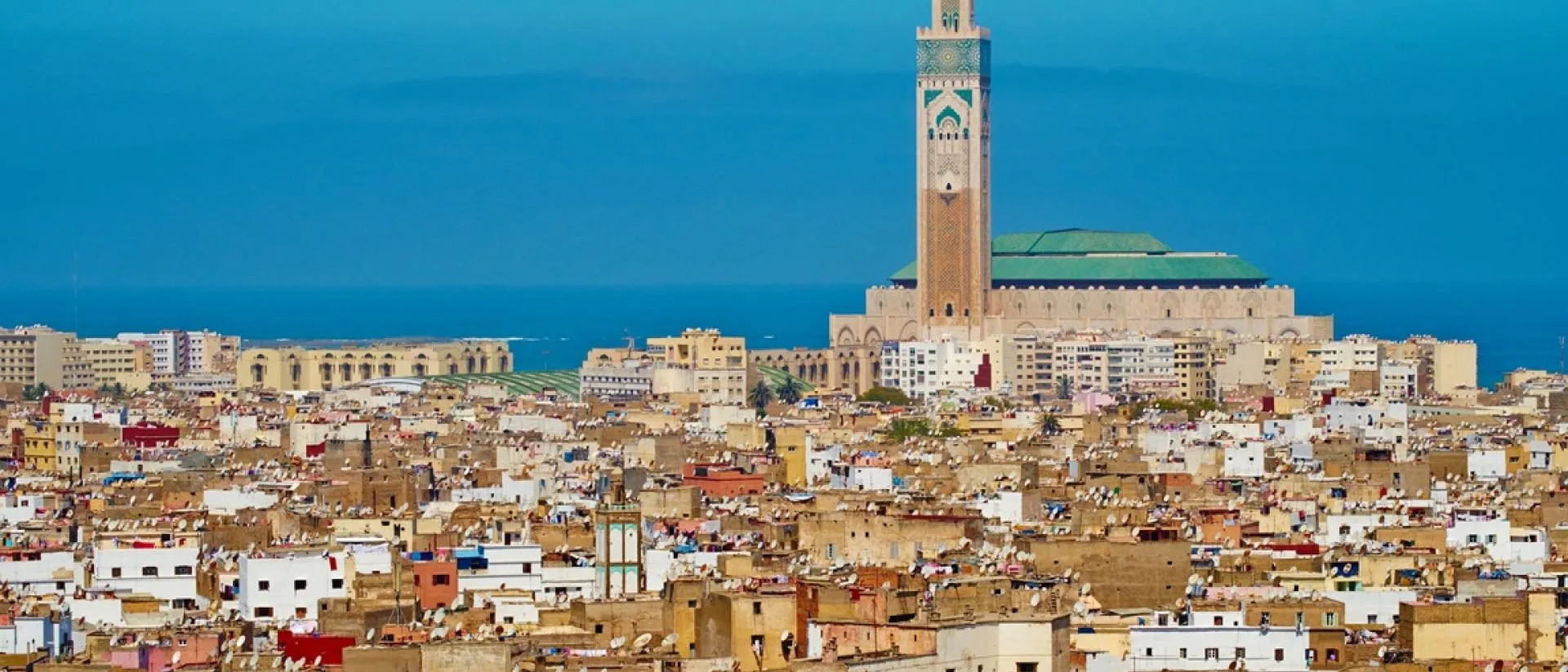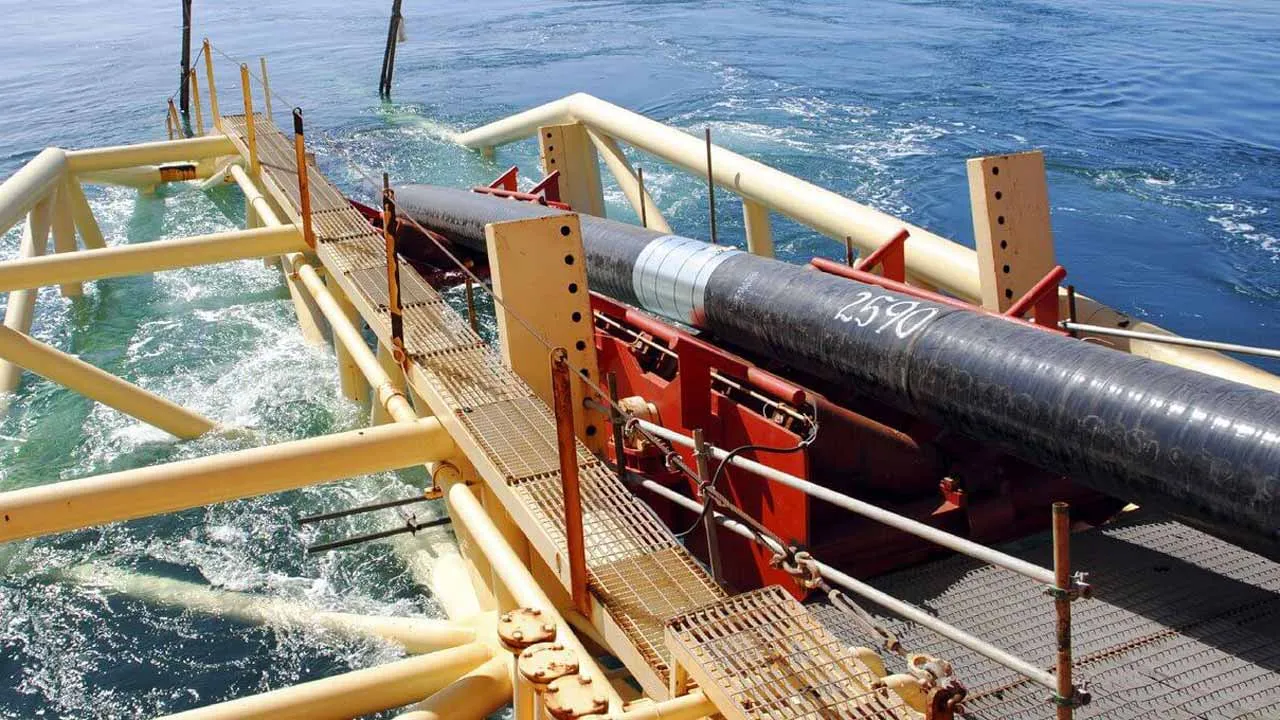
The ambitious Sila Atlantik project, a monumental $30 billion initiative designed to transmit renewable energy from Morocco to Germany through the world's longest underwater power cable, is currently facing significant diplomatic challenges that threaten to stall its progress. This innovative project aims to establish a high-voltage connection between two nations, utilizing approximately 15 gigawatts of solar and wind energy harvested in Morocco to satisfy up to 5% of Germany's annual electricity requirements. However, disagreements over critical elements of the deal, including the operational framework and essential government guarantees, have led to a standstill in negotiations between Moroccan and German authorities.
Officials from Morocco are advocating for a formal intergovernmental agreement that would ensure long-term political and financial security for the project, which is vital for its successful implementation. Moreover, Morocco is pushing for the infrastructure to facilitate two-way electricity flows, enabling not just the export of energy to Germany but also allowing reciprocal power exchange between the two countries. Such a feature could enhance energy security and foster a more integrated power-sharing model.
Despite these challenges, the developers of Sila Atlantik have expressed confidence that all aspects of the project—including technical, regulatory, commercial, and financing—are progressing as planned. They are currently evaluating various technological and legal strategies to ensure the long-term viability of the project. The Sila Atlantik initiative emerged as a response to the previous failure of the Xlinks Morocco-UK renewable electricity project, highlighting the increasing importance of cross-border energy partnerships in Europe’s quest for energy security and a transition away from fossil fuels.
As Morocco already operates the only electrical connector between Africa and Europe via Spain, which proved crucial during a significant power outage in Spain last year, the Sila Atlantik project represents an important step forward in enhancing energy connectivity between the continents. Additionally, plans for further electrical links between Morocco and Spain, as well as potential new connections with Portugal and France, indicate a growing commitment to developing robust energy networks that can meet future demands.
As reported by africa.businessinsider.com.