Unraveling the Controversy
The ongoing drama surrounding the Africa Cup of Nations final continues to unfold, as various sources reveal that the Senegalese team overlooked several recommendations from the Confederation of African Football (CAF) both before and during the match. The situation escalated to the point where Morocco expressed its dissatisfaction with the events that transpired, leading to a tense atmosphere that still lacks a definitive resolution almost 80 days after the final match. While Senegal officially claims victory and proudly displays the trophy, the CAF is yet to announce the final decision regarding the championship, leaving the Moroccan squad, known as the Atlas Lions, determined not to concede defeat.
In any narrative, multiple perspectives exist, and the account from Senegal, known as the Lions of Teranga, has garnered significant attention in recent weeks. This is largely due to their complaints directed at the CAF over pre-match organization issues, the selection of their training location in Rabat, and allegations of “espionage.” However, these claims seem to fall flat upon examining the events that transpired behind the scenes.
Insights into the Fateful Match
To begin with, the arrival of Pape Thiaw's squad in Rabat was fraught with complications. Reports indicate that Senegal was kept informed about potential challenges they might face en route to the capital via train. The CAF even suggested alternative arrangements to mitigate any disruptions. Nonetheless, the federation opted to ignore these recommendations from both the confederation and Moroccan authorities, including security forces. Sources close to the CAF suggest this was a deliberate tactic to garner public sympathy in what has become a complex chess game.
Moreover, the location where the Senegalese team was based in the days leading up to the final sparked further contention. The CAF stationed the Lions of Teranga at the state-of-the-art Mohammed VI high-performance center, which was also the training base for Morocco during the tournament. The Senegalese officials publicly protested this arrangement, alleging potential “espionage” by their opponents and a lack of tactical confidentiality in their preparations. However, insiders assert that the facility, equipped with 14 football fields and numerous other amenities, made such concerns unfounded. Other teams, such as Cameroon, shared the same space without incident, admitting they felt comfortable with the accommodations provided by the local federation.
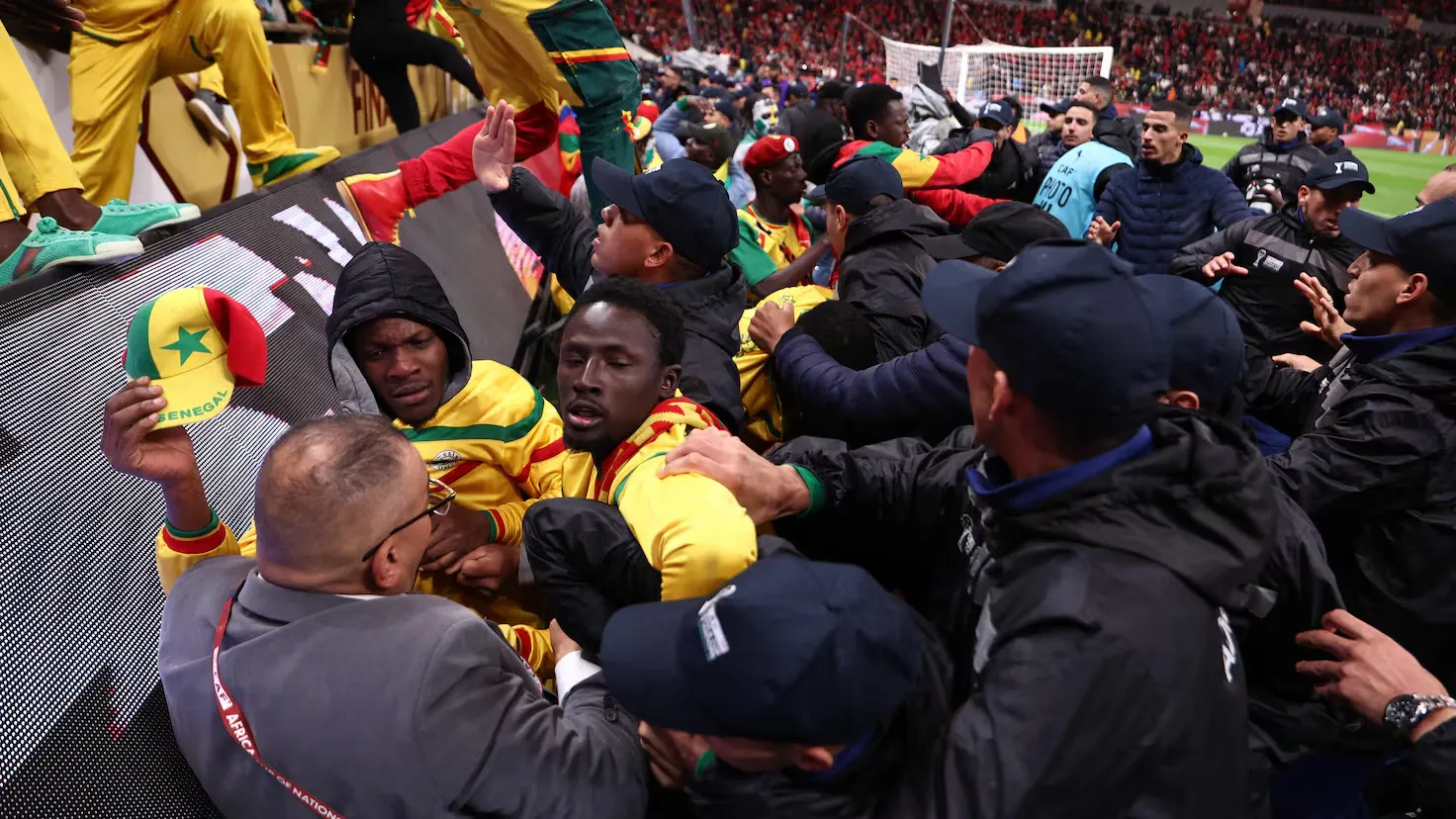
The CAF's perspective is that Senegal's actions were premeditated, aimed at circumventing a potential defeat and minimizing subsequent repercussions. What was intended to be a celebration of African football quickly devolved into a global scandal during added time. The Lions of Teranga left the pitch following a controversial penalty awarded in the 97th minute, leading to a nearly thirty-minute stoppage fraught with chaos. The world witnessed a mere glimpse of the turmoil, while the reality behind the scenes was even more tumultuous.
In an act of protest, most of the Senegalese players—except for Sadio Mané and a few coaching staff—headed to the locker room, seemingly refusing to return to the field. Some players even took to social media to livestream the unfolding events while the CAF attempted to mediate the situation, which many considered controversial. As reported by Le Monde, Olivier Safari acknowledged that institutional instructions were conveyed to the match referee during the interruption, advising against issuing yellow cards to Senegalese players who were already cautioned, in an effort to “preserve the match.” This maneuver potentially saved Senegal from two expulsions that could have significantly affected the match's outcome.
In the aftermath, the CAF condemned what it termed the “unacceptable behavior” of players and officials from both teams in an official statement. While Morocco accepted some responsibility for certain complaints—such as the incident involving ball boys and Senegal's goalkeeper, Mendy—it has consistently rejected the narrative that positions the Lions of Teranga as victims. This issue has now transcended mere legalities, becoming a matter of public perception and sentiment.
As reported by as.com.