
Live Updates on Ceuta's Migration Crisis
The migration crisis in Ceuta has entered its second month, evolving into a new phase marked by upcoming testimonies regarding the events of July 30 and 31. This development follows the resignation of the Government delegate, Miguel Ángel Pérez Triano. Scheduled to testify tomorrow is Ceuta's president, Juan Jesús Vivas, with the head of the Government Delegation's cabinet set to follow on Thursday. These testimonies are part of an investigation initiated two weeks ago by Judge María Tardón, focusing on the mass influx of migrants into the autonomous city.
The investigation stems from a complaint lodged by Iustitia Europa and has received the endorsement of the Public Prosecutor's Office. Notably, the judge has expanded the inquiry to include a new charge concerning the independence of the state, suggesting a clear and undeniable facilitation from the Kingdom of Morocco. Moreover, the judge has mandated a comprehensive list of actions to clarify the situation, including satellite image analysis, biometric studies, and tracking of social media calls.
Current Conditions for Migrants Amid Ongoing Evacuations
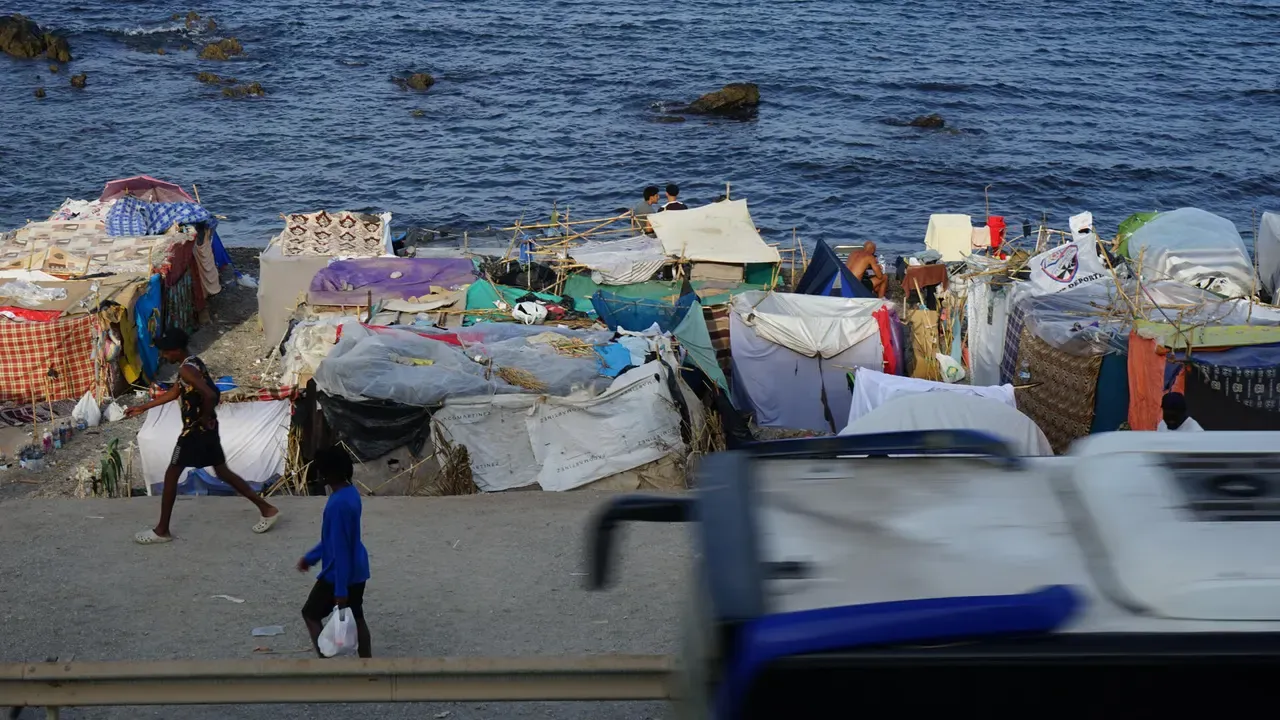
As investigations continue, the plight of migrants outside reception facilities remains dire. A group of unaccompanied minors has mobilized in Ceuta, demanding increased protection and the establishment of dedicated reception centers. These young individuals have directly approached the Spanish Prime Minister, Pedro Sánchez, highlighting their urgent needs. They have been seen traversing the Trampolín beach, which is dotted with makeshift shelters as they await a resolution to their situation. Meanwhile, the eviction process has commenced on Benítez beach, where officials are actively removing migrants from the area.
In response to safety concerns, particularly with the onset of the rainy season, the National Police have deployed thermal drones to monitor the water conduit leading to Benítez beach. Reports from police sources indicate that these images have revealed individuals residing within the area, prompting the eviction for security reasons. Migrants are being transported by bus to El Tarajal, where they will undergo identification and triage at the Temporary Attention Center for Foreigners (CATE). Following this, they are expected to be relocated to the provisional camp at Loma Colmenar.
While some migrants have fled on foot from authorities, others have resorted to swimming in the sea to evade relocation. Currently, the police are maintaining order and managing the logistics of the evacuation process, which aims to minimize risks associated with the water release outlet located at Benítez beach. This area is critical for water management, and authorities are keen to prevent any potential hazards as rainfall increases.
Additionally, the police plan to secure the beach access to prevent future occupations after the eviction, as previously witnessed at Trampolín beach. Melchor León, a PSOE representative in Ceuta, expressed concern over not being adequately informed about the operation and asserts that this eviction differs from previous relocations to the Ceuta port camp, where tensions escalated during earlier transfers.
In the wake of the ongoing crisis, the European Commission has reiterated its commitment to cooperate with Morocco on migration and human trafficking issues, emphasizing the significant reduction of illegal entries in Ceuta in recent years, prior to the mass arrival of migrants last July. The situation remains fluid as authorities continue to navigate the complexities surrounding the management of migrant populations in the region.
As reported by antena3.com.