
Ongoing Tensions in Ceuta Following Migrant Influx
Though Ceuta has faded from the news headlines, the situation remains tense nearly four weeks after an unprecedented inflow of over 70,000 migrants from Morocco and sub-Saharan Africa. Recent clashes between migrants and Spanish police erupted in the Loma Colmenar neighborhood, where stones were thrown at officers who had reportedly evicted migrants seeking refuge in parks and vacant lots. In response, local residents have started fortifying their properties with barbed wire, illustrating the growing concern for safety and security in the enclave. A hospital employee revealed that some migrants had resorted to tearing out water pipes in a desperate attempt to bathe.
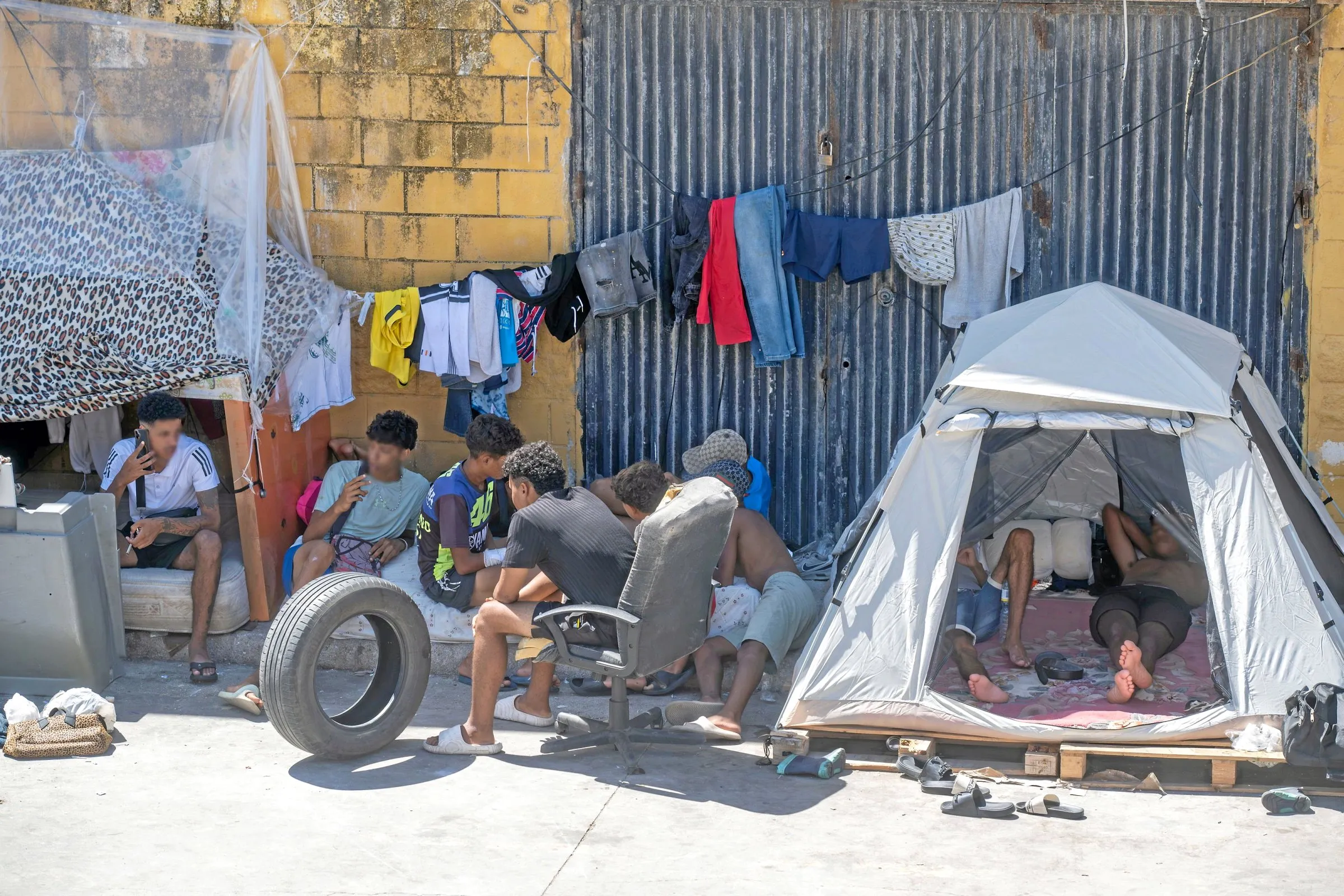
On Monday morning, security forces corralled young men into a hall that is set to be transformed into a makeshift refugee camp. Each warning shot fired into the air was met with applause from onlookers, reflecting the community's divided sentiments. Last week, migrants had already been forced into temporary shelters near the 'Trampoline Beach' in northern Ceuta, where a hunger strike commenced. The conditions in these makeshift camps are dire, with outbreaks of scabies and infectious diarrhea reported among those living in makeshift huts constructed from wood and plastic. While the local government distributes food rations to the estimated 10,000 migrants remaining in Ceuta, the medical care and overall security situation are described as catastrophic, with at least ten women hospitalized following sexual assaults.
Political Discontent and Humanitarian Challenges
Pedro, an engineer, expressed his dismay over the situation, stating, "Parts of the city are turning into a slum," while Prime Minister Sánchez enjoys a vacation in Lanzarote. Additionally, tensions between Juan Jesus Vivas of the right-wing PP, who governs the 83,000-strong city, and the left-wing government in Madrid have surfaced. Although Madrid has deployed additional soldiers to the area, the Interior Ministry estimates the number of migrants still in Ceuta at only 5,000—half of the figure reported by local authorities based on daily food distributions.
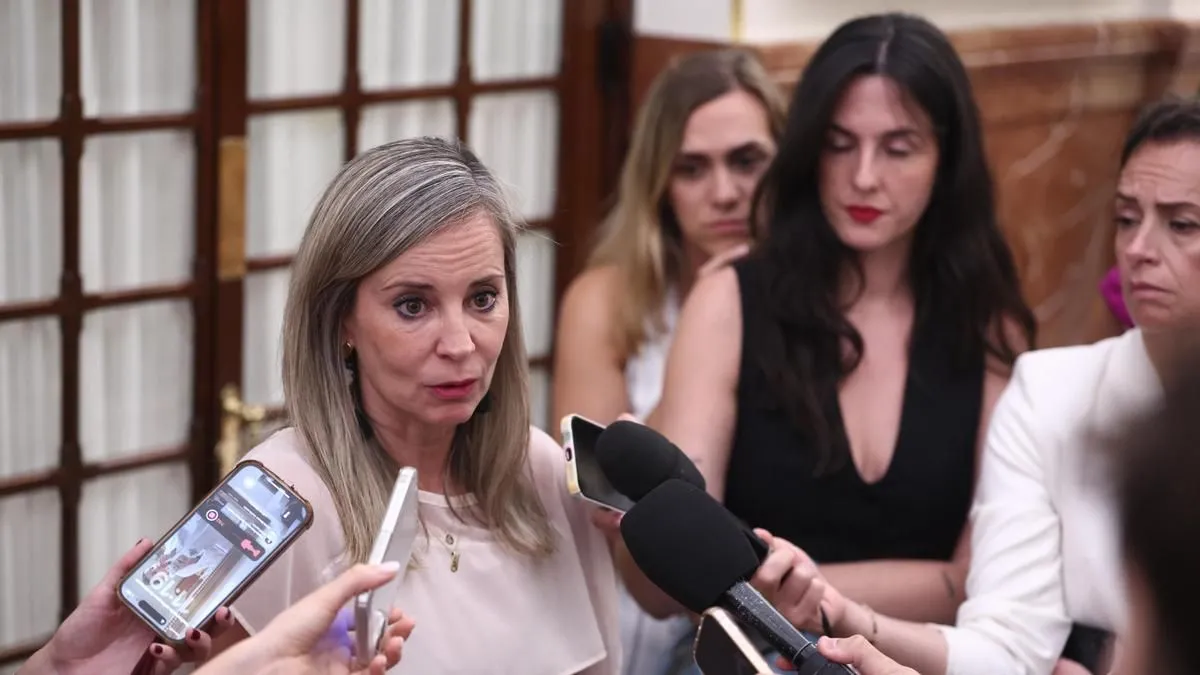
Health Minister Mónica García has placed the responsibility for resolving the hygienic crises on local officials, who are overwhelmed by the challenges posed by the influx. A delegation led by Interior Minister Fernando Grande-Marlaska faced protests from citizens, who greeted them with boos and angry shouts. While the situation appears somewhat controlled during daylight hours, reports indicate that Spanish soldiers have been brutally confronting migrants under the cover of darkness. German filmmaker Viktor Schimpf witnessed several such encounters, describing the soldiers' methods as excessively violent.
Plans have emerged to transfer 500 unaccompanied minor migrants to the Spanish mainland, amidst a backdrop of increasing calls from Morocco’s Justice Minister Abdelatif Quahbi for their return to families, criticizing the complex EU procedures. Quahbi has publicly initiated a political conflict with Madrid, demanding the return of Ceuta and Melilla to Morocco, arguing that both territories are remnants of colonial rule. The Spanish government has insisted on maintaining sovereignty over these North African enclaves.
Despite claims from government circles in Rabat and Madrid of a desire to jointly resolve the Ceuta crisis, the issue has become fodder for populist rhetoric on social media, with right-wing groups warning of potential Islamist infiltration among the migrants and a renewed surge towards Ceuta. Unverified online sources allege that Algeria, Morocco's arch-rival, is transporting migrants to the Moroccan border to exacerbate tensions between Spain and Morocco. Videos promoting a new assault on Ceuta have been circulating on Moroccan TikTok pages, intensifying fears of another crisis.
In response, Moroccan police have arrested youths who were in Ceuta on July 30 and shared recordings of their experiences online, with human rights activists from the AMDH in northern Morocco reporting at least 70 arrests. Concurrently, a wave of investigations against rappers and artists known for their anti-government stances has emerged in cities like Casablanca and Rabat. At the recently reopened border crossing between the Moroccan city of Fnideq and Ceuta, relatives of 91 confirmed victims of the July crisis await the return of their deceased family members, seeking to bury their children back home. The procedures for this remain unclear, and the Moroccan government has yet to officially comment on the fatalities, with over 140 lives lost in the pursuit of a better life.
As reported by nd-aktuell.de.