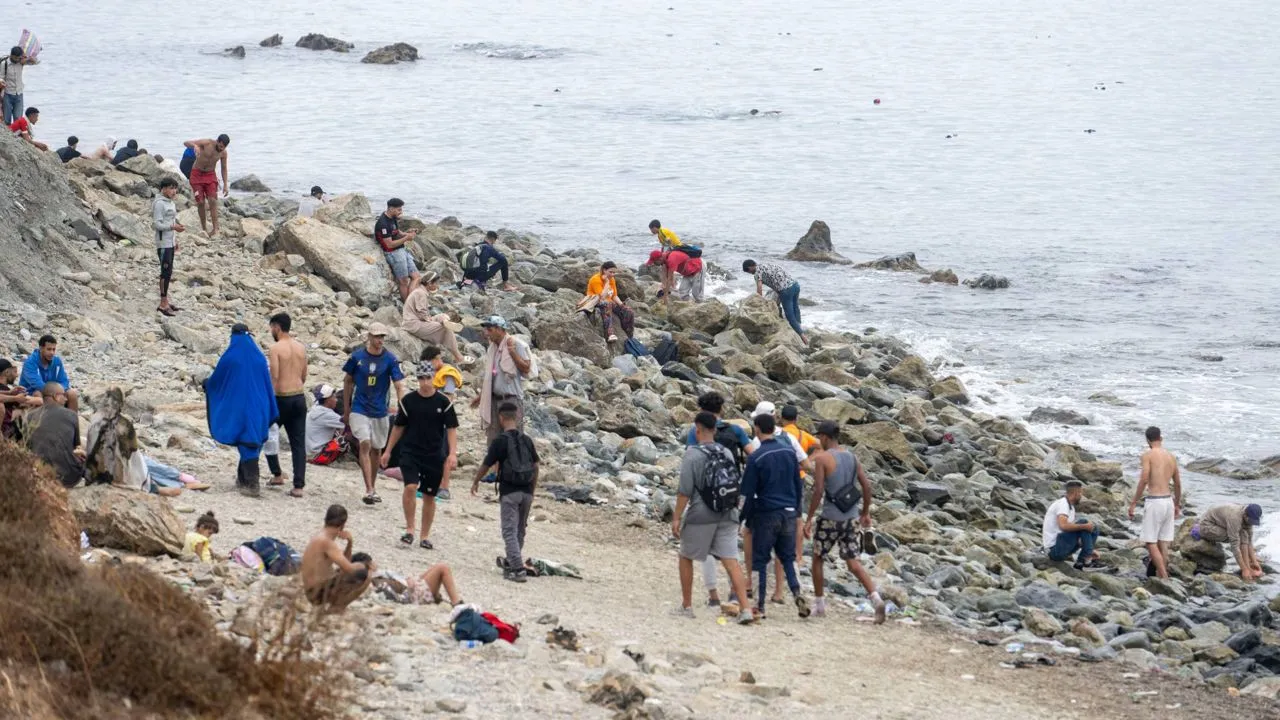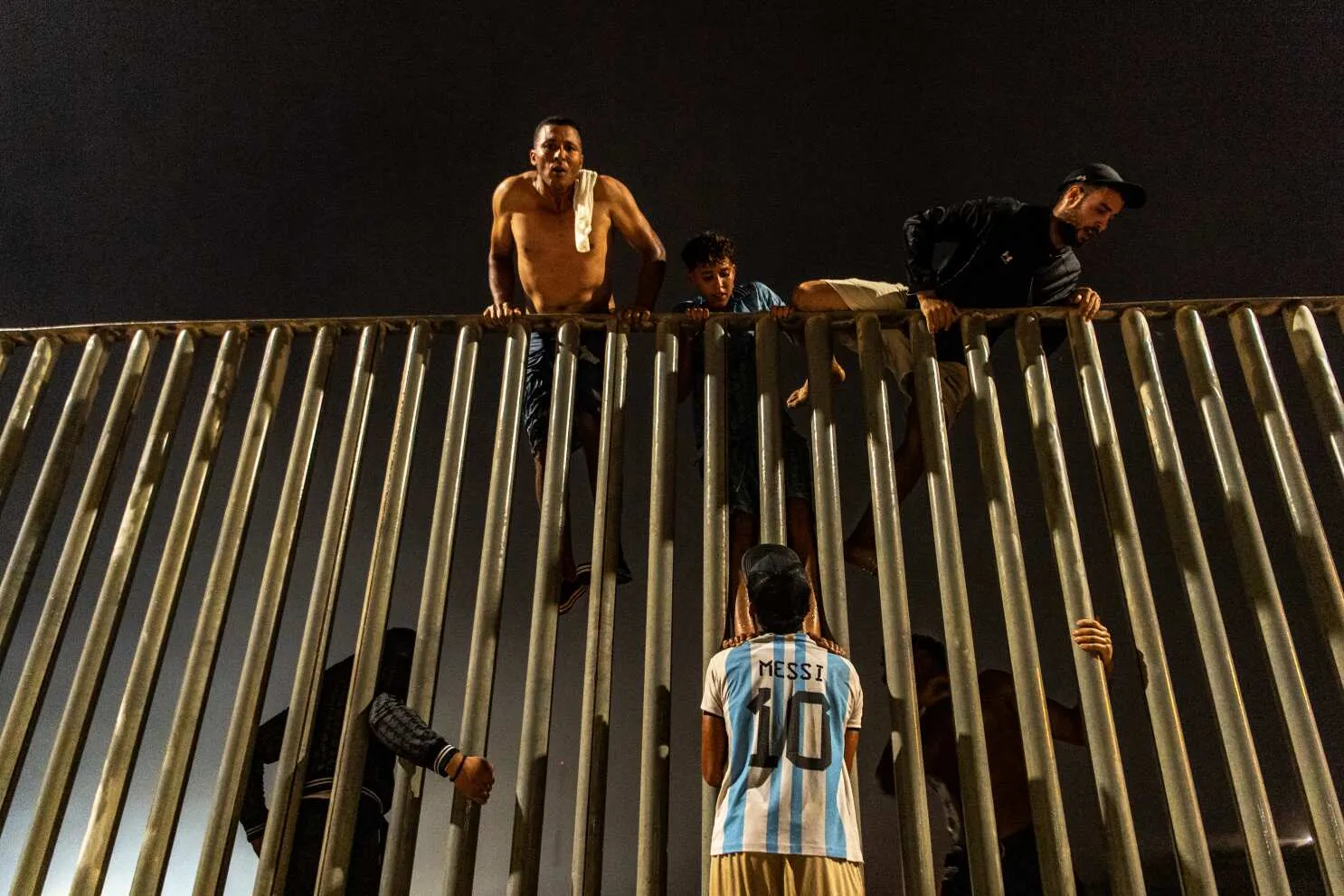
In a dramatic turn of events, approximately 60,000 migrants have crossed from Morocco into Spain's small enclave of Ceuta in just 24 hours, as reported by the president of Ceuta on Friday. This staggering influx represents around 70% of the city's population, highlighting the scale of the ongoing humanitarian crisis. Tragically, at least 57 migrants lost their lives during this perilous journey, with many succumbing to drowning or being caught in a stampede while attempting to breach a breakwater barrier near a border checkpoint.
The situation escalated rapidly, prompting the Spanish government to deploy armed forces and additional police to restore order in Ceuta, a territory that has been under Spanish control since 1580. The chaos was not limited to Ceuta alone; clashes erupted between migrants and Moroccan security forces on the other side of the border. In the wake of this disorder, neighboring countries Italy and France have expressed intentions to tighten their border controls, seeking to manage the repercussions of this border crisis.
Ceuta's president, Juan Jesús Vivas, described the unfolding situation as “absolutely unsustainable,” a sentiment echoed by many as they witnessed the turmoil on the ground. While a significant number of migrants did return voluntarily to Morocco following the chaos, it remains evident that the crisis has left both immediate and long-lasting impacts on the local community. Many of those who attempted the crossing faced extreme conditions in the sea, with some resorting to swimming several miles to reach Spanish soil, all while evading authorities who utilized water cannons and tear gas to deter them.
Spanish Prime Minister Pedro Sánchez visited Ceuta and condemned the border breach as a violation of Spain's territorial integrity, attributing the crisis to human smugglers who exploit vulnerable individuals seeking a better life. The Spanish Interior Ministry later adjusted its estimates, indicating that around 50,000 migrants had crossed from Morocco since Thursday, with a substantial proportion already returning home by Friday evening.
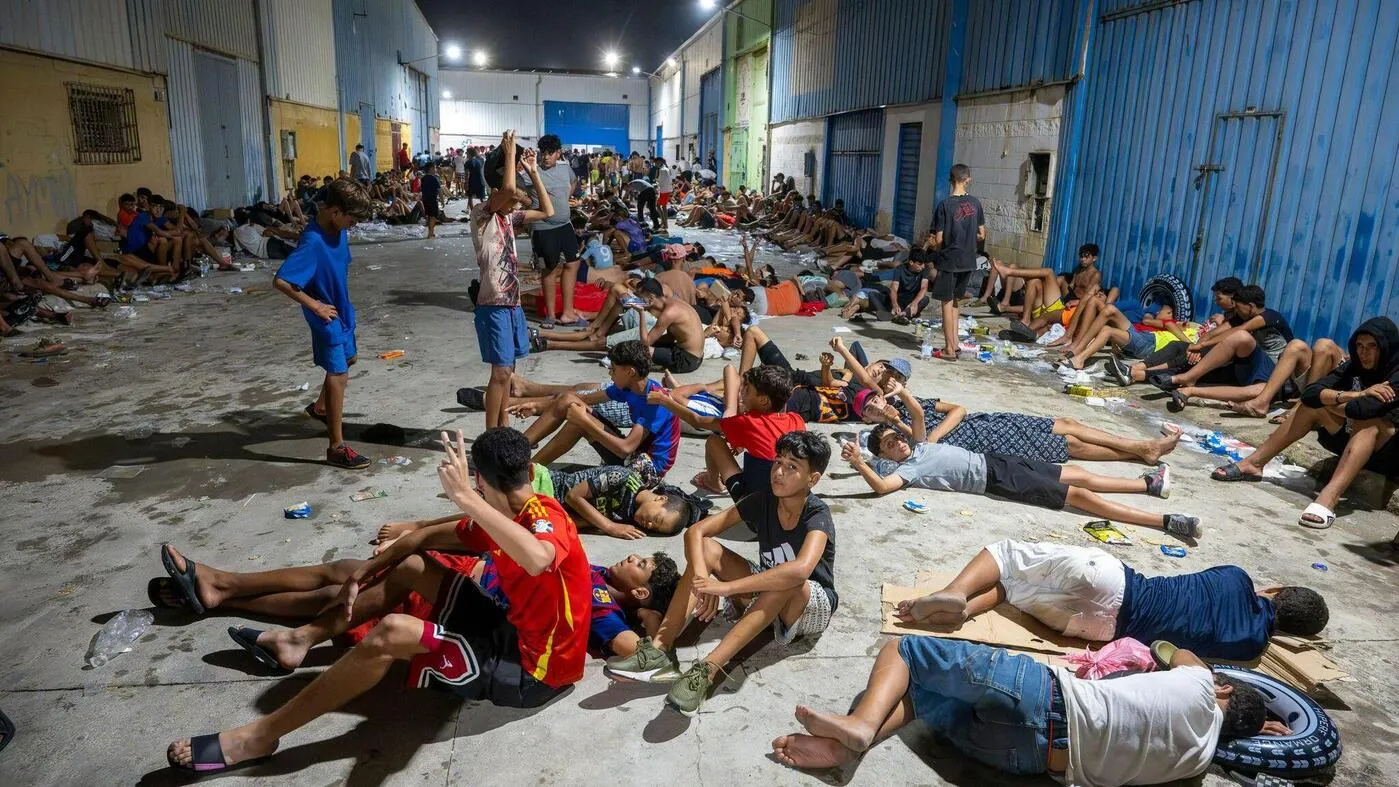
Rachid Sbihi, a local representative for Civil Guard officers, characterized the situation as a “serious humanitarian crisis,” revealing that countless migrants, including unaccompanied minors, were left to sleep in public spaces while others wandered the streets aimlessly in search of shelter and assistance. Amid the chaos, European Commission President Ursula von der Leyen condemned the visuals emerging from Ceuta, asserting that such dangerous crossings must cease immediately and that smuggling networks must be dismantled.
Many of the migrants who crossed into Ceuta, particularly young Moroccans, shared their dreams of finding better job prospects in Spain, only to be met with disappointment and disorder. Abdulah Buji, a 21-year-old from Tetouan, expressed his disillusionment, stating that although he sought opportunities, he was compelled to return home due to the uncertainty in Ceuta. The Moroccan government, represented by Ambassador Karima Benyaich, reiterated its commitment to promoting legal and orderly migration, though it remains silent on the factors driving these mass crossings.
The crisis at Ceuta has been linked to a recent ruling by the Spanish Supreme Court, which clarified that migrants arriving by sea cannot be immediately deported, further complicating the situation. Sánchez noted that this interpretation has spread rapidly among human trafficking networks, igniting the recent surge of migrants attempting to cross into Spain.
Despite facing criticism for his migration policies, which some believe have encouraged increased crossings, Sánchez has defended his approach and distanced it from the events in Ceuta. The U.S. government has voiced its support for Spain, labeling the situation a significant violation of sovereignty and human rights, while Italy and France have initiated measures to tighten border controls in response to the crisis.
In addition, the unrest is not confined to Ceuta alone, as migrants have also made attempts to cross into Melilla, Spain's other North African territory, leading to clashes with police and further unrest in the region. This ongoing crisis raises critical questions about migration policies and humanitarian responses in the face of unprecedented challenges.
As reported by latimes.com.