Understanding the Ceuta Crisis: A Deepening Humanitarian Issue
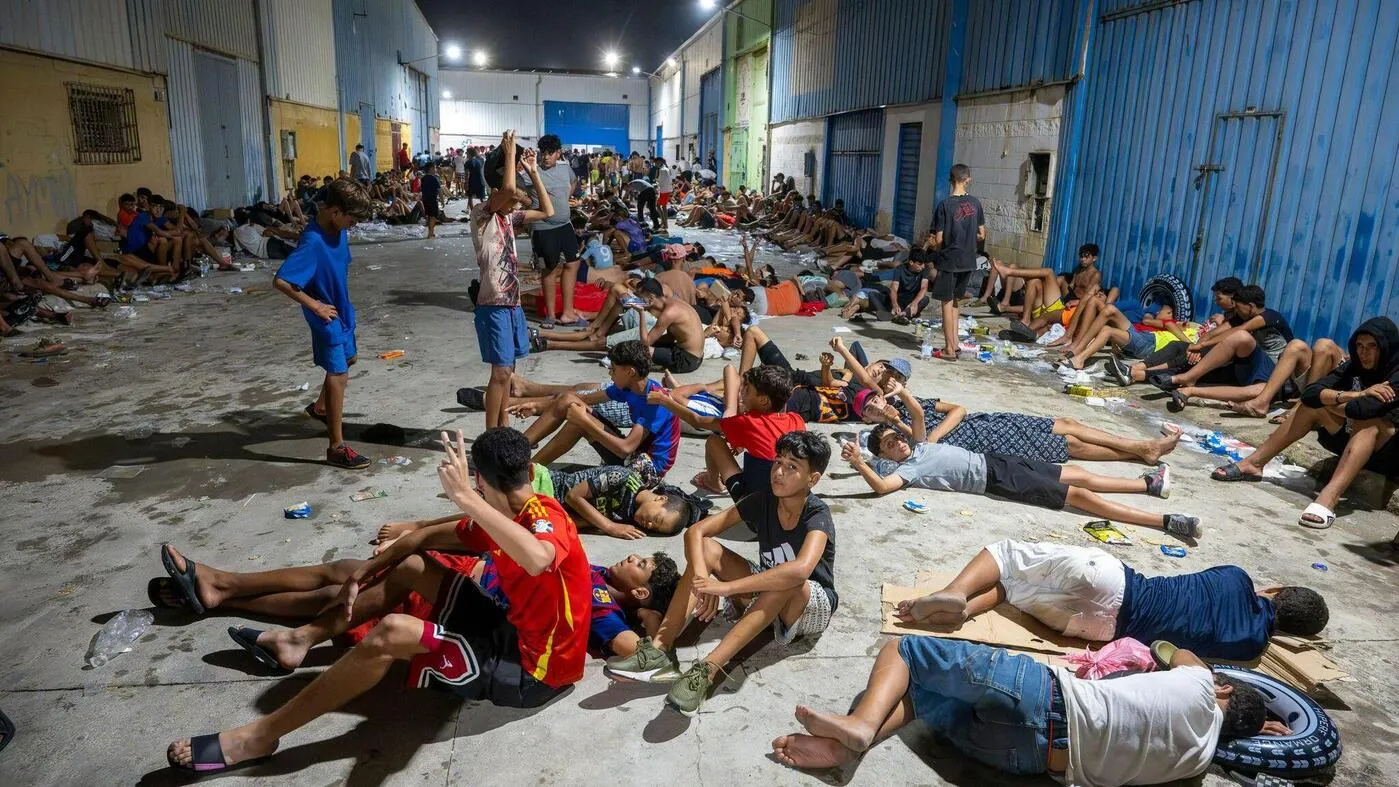
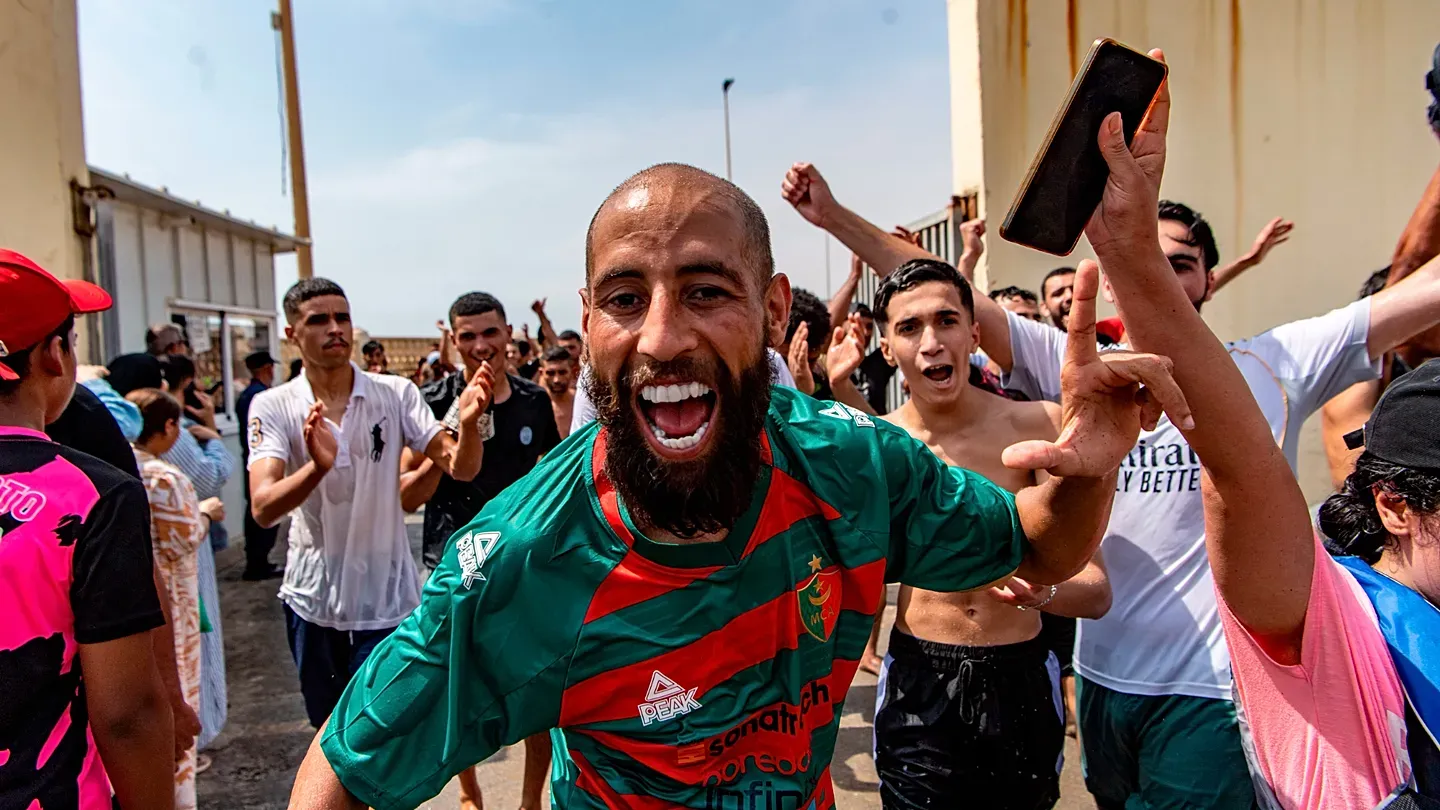
In a shocking turn of events, the small city of Ceuta, covering just 19 square kilometers, has unexpectedly become the epicenter of a humanitarian and diplomatic crisis that ripples through Southern Europe. Within mere hours on Thursday, thousands of migrants surged from Moroccan territory into Ceuta, marking the largest mass crossing since the crisis in 2021. Authorities in Ceuta reported that approximately 60,000 individuals made their way to the city, with the human toll tragically rising to over 40 casualties as reported by the Spanish Interior Ministry by Friday afternoon.
Video footage from Tarajal beach in Ceuta captured the chaos during these crossings, revealing large groups of people moving frantically between the pier and the streets surrounding the border zone. Most of the new arrivals are young individuals; however, the footage also depicted women with children and entire families fleeing perilous conditions characterized by the dangers of drowning and sheer exhaustion. This surge in migration raises critical questions regarding the political and public response from both Morocco and the broader North African region.
The Political Ramifications and Regional Responses
The recent events in Ceuta have reignited a contentious issue in the diplomatic relations between Morocco and Spain: the sovereignty dispute over Ceuta and Melilla. Morocco has long regarded these cities as part of its territory since gaining independence from France and Spain in 1956. The crisis coincided with celebrations for the Moroccan throne anniversary, a day meant to reaffirm loyalty and unity between the monarchy and the populace. Reports from Hespress, one of Morocco's leading news outlets, highlighted that the surge in border crossings has rekindled debates concerning the social and economic conditions in the regions bordering these two enclaves. The report indicated that these events spotlight the intricate ties between the cities and their Moroccan surroundings, as well as the complex historical and political narratives surrounding sovereignty.
In light of the crisis, local authorities in Ceuta appealed to the central government in Madrid for assistance, which swiftly initiated communication with Moroccan officials to discuss containment strategies. Ultimately, both parties agreed to return the individuals who had entered the city to their point of origin. Yahya Yahya, head of the national committee for the reintegration of Ceuta, Melilla, and surrounding islands, commented that the handling of the situation revealed the fragility of Spanish presence in the region. He characterized the request for military intervention from Ceuta’s government as a sign of political failure.
Simultaneously, Algeria's political maneuvering against Rabat, coupled with the historical animosity between the two neighboring countries, significantly influenced public sentiment in Algeria regarding the situation in Ceuta. The news portal Tout sur l'Algérie referred to the mass migration of Moroccans and accused Rabat of using the so-called 'migration bomb' against Madrid. The site criticized European leaders for focusing their ire on Spain rather than addressing what it deemed the root cause of the migrant wave. It specifically noted Italian Prime Minister Giorgia Meloni's call for Spain’s Schengen membership to be suspended in light of the events.
Moreover, the portal alleged that Italian Foreign Minister Antonio Tajani sought favor with Morocco, given his purported close ties to the Moroccan royal palace. It was also suggested that Moroccan security forces allowed large groups of migrants to pass unchecked into Ceuta, questioning whether Rabat was unable to control its borders or was intentionally using migration as leverage against its Spanish counterpart. The right-wing and far-right parties in France did not miss the opportunity to criticize Spain while remaining silent on Morocco's role in the crisis.
Even Algerian state television harshly criticized Rabat, framing the events as a mass exodus reflective of Morocco’s dire economic and social conditions. With youth unemployment in Algeria hovering around 31%, the government has faced backlash for suppressing the Hirak protest movement that mobilized millions from 2019 to 2021 and for prosecuting journalists, activists, and political opponents. Not surprisingly, political discussions in Algerian social media reflected a mix of derision and criticism towards Morocco, with some users mocking the situation while others highlighted the shared plight of Algerians among the migrants fleeing to Spain.
In Tunisia, users on social media also shared videos of the mass crossings into Ceuta, with many comments taking a humorous turn. Some remarked, "Only the king remains," alluding to the significant number of people leaving Morocco within a short period. Others noted the images as a stark representation of the profound social and economic crisis affecting much of the North African youth, as rising unemployment drives many to risk their lives in pursuit of a better future in Europe. Tunisia itself grapples with severe structural economic challenges, with youth unemployment soaring to 38% in 2025, making it a significant source of irregular migration to Europe.
The crisis in Ceuta is not just a singular event but a manifestation of broader geopolitical tensions and socio-economic struggles affecting the region. As Spain retains sovereignty over Ceuta and Melilla, territories it acquired through historical conquests dating back to the 15th century, Morocco continues to assert its claims over these enclaves, framing this ongoing dispute within the context of colonial legacies and regional stability.
In response to the growing tensions and migration issues, Spanish authorities have implemented stringent security measures, including the construction of high fences equipped with barbed wire and electronic surveillance to deter irregular crossings. The events of 2021, which saw around 8,000 migrants cross the border in a matter of days, underscored the fragility of diplomatic relations between Madrid and Rabat, a situation exacerbated by Spain's temporary hosting of Brahim Ghali, a leader of the Polisario Front from Western Sahara. As the geopolitical landscape continues to evolve, the response to the crisis in Ceuta will undoubtedly have lasting implications for both Spanish and Moroccan relations and the broader North African region.
As reported by de.euronews.com.