Innovative Financing for Regional Development
The Casablanca-Settat region in Morocco has made a significant stride in local governance and financial management by successfully issuing a bond worth 1 billion dirhams. This historic move marks the first instance of a local authority in Morocco utilizing bond financing to support its development initiatives. The bond issuance, which took place recently, garnered interest from both national and international institutional investors, including a notable contribution of 400 million dirhams from the European Bank for Reconstruction and Development (EBRD). This bond financing approach aims to bolster the regional development plan while enhancing public management modernization.
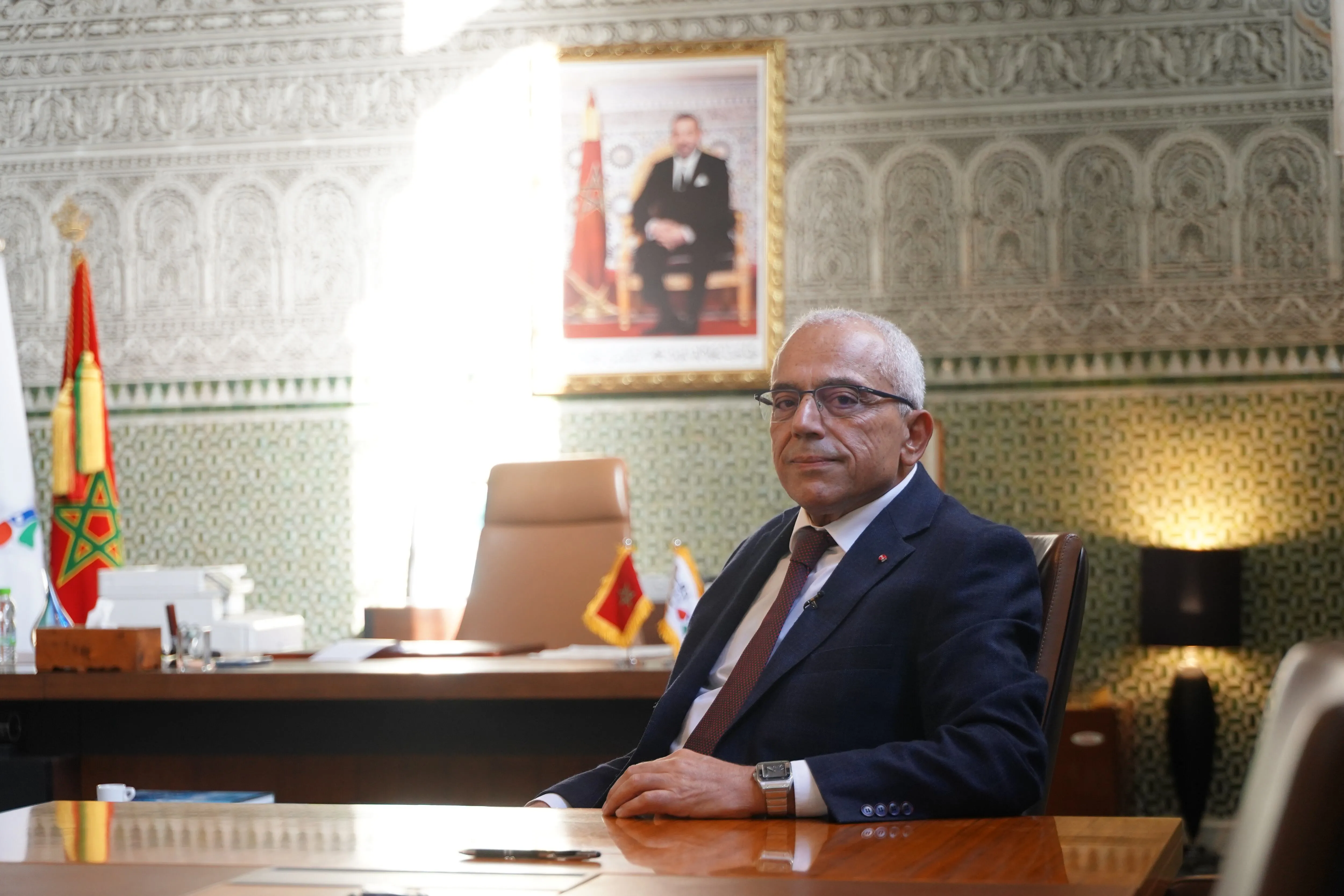
Traditionally, regional authorities in Morocco relied heavily on conventional funding sources such as budget allocations, public transfers, or institutional loans. However, with this bond issuance, Casablanca-Settat diversifies its funding avenues and ventures into the capital markets, signaling a pivotal evolution in resource mobilization strategies. Several key national players participated in this bond issuance, including the Caisse de Dépôt et de Gestion, Banque Centrale Populaire, BMCE Capital Gestion, CIH Capital Management, Wafa Gestion, Marogest, and Upline Capital Gestion. Abdellatif Maâzouz, the President of the Regional Council, highlighted that the EBRD is also providing technical assistance valued at 2 million euros, offered free of charge, to support this fundraising effort.
Funding Infrastructure and Transformation Initiatives
The funds raised through this bond issuance are earmarked for various projects outlined in the Regional Development Plan for 2022-2027. This plan is crucial for a region that plays a vital role in Morocco's economic landscape and faces growing demands for infrastructure, mobility, public amenities, and sustainable development. Additionally, a portion of the funds will be allocated for internal transformation within the local authority, focusing on enhancing financial performance and establishing a framework for digital transformation.
This bond issuance aligns with a broader financial restructuring that the region has undertaken since 2021, during which it has successfully reduced its debt by over 1 billion dirhams while continuing to invest significantly. The region has planned investments amounting to 10 billion dirhams, with 7 billion dirhams already disbursed. This trajectory aims to enhance the region's financial credibility among investors.
Furthermore, this bond issuance could pave the way for other local authorities with strong financial capabilities to explore similar funding options. However, accessing capital markets entails stricter requirements regarding transparency, governance, and budgetary management, which are essential for the sustainability of this funding model.
As reported by fr.le360.ma.