First Board Meeting of the Casablanca-Settat Health Group
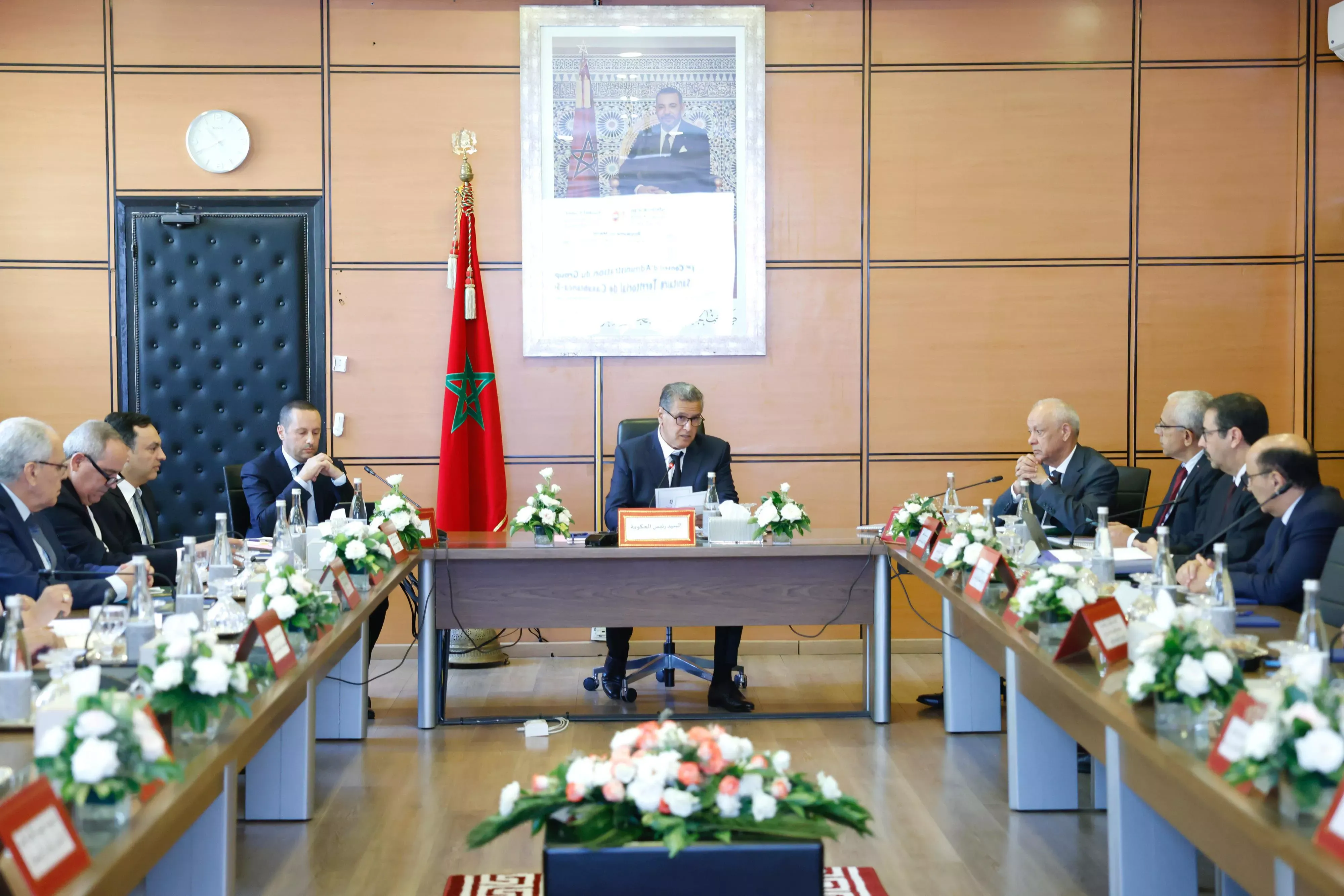
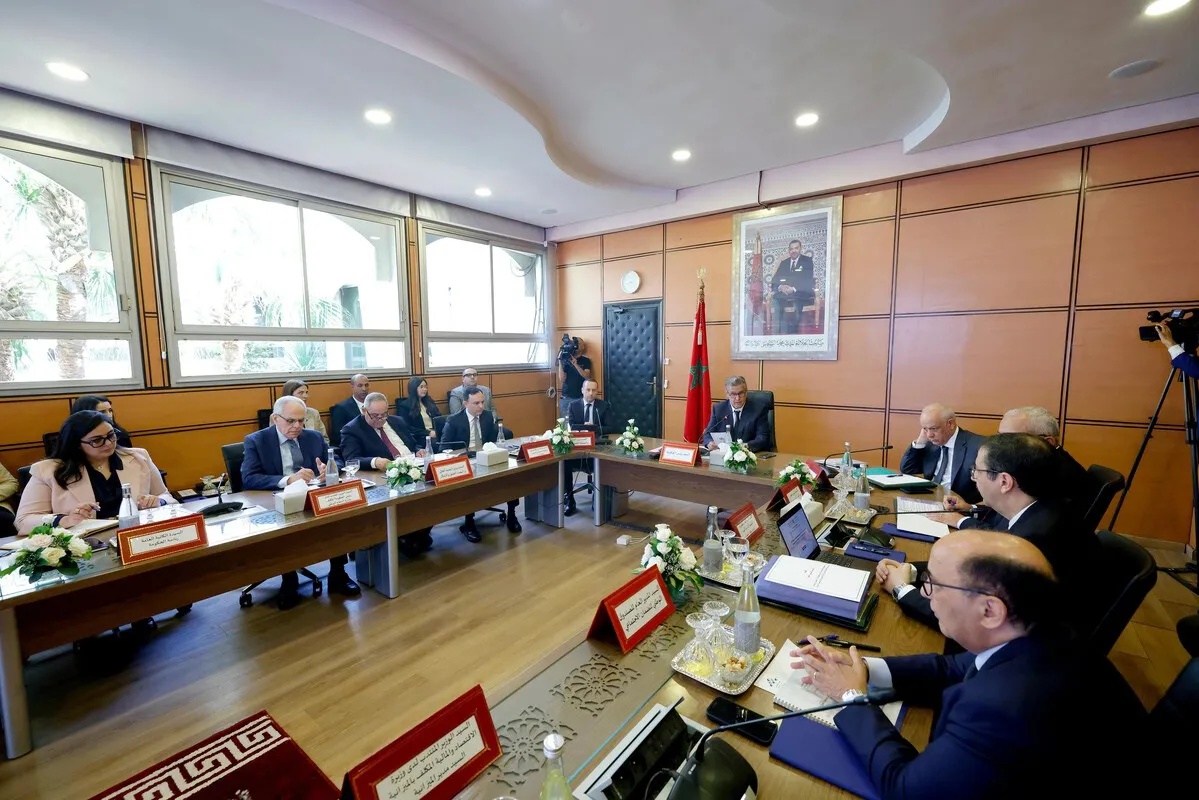
On June 10, 2026, a significant milestone was reached in the healthcare sector of Morocco as the inaugural board meeting of the Casablanca-Settat Territorial Health Group (GST) convened in Casablanca, presided over by Prime Minister Aziz Akhannouch. This meeting marked the beginning of a new era in public healthcare, which encompasses a network of 376 primary healthcare facilities and approximately 4,943 hospital beds, addressing the needs of the country’s most populous region.
During the meeting, Akhannouch emphasized the meeting's alignment with royal directives aimed at establishing a more accessible healthcare system that delivers higher quality services and ensures equity across the region. He stated that enhancing regional governance in the healthcare sector is a strategic choice for the government and a fundamental element of the national healthcare reform initiative. This initiative aims not only to improve health services but also to facilitate the broader implementation of social protection and comprehensive medical coverage.
As the discussions unfolded, it became clear that this board meeting was not merely a procedural necessity; it was a strategic orientation moment aimed at positioning Casablanca-Settat as a model for the practical implementation of health reforms. The goal is to transform the University Hospital Center (CHU) into a development catalyst and to solidify proximity to healthcare access as a fundamental right for citizens, with territorial equity being a critical success factor.
Strategic Governance for Healthcare Reform
The meeting served as a platform to present and discuss the GST's action plan, the proposed budget for the 2026 fiscal year, and crucial resolutions required to initiate the group's activities. These proposals were all approved, laying the groundwork for an integrated regional management approach to healthcare services, founded on planning, coordination, and quality improvement for citizens' healthcare.
The GST’s action plan focuses on establishing the foundations of efficient regional governance, managing the transition period, upgrading health infrastructures, organizing care pathways, and enhancing the complementarity between primary healthcare facilities and provincial, regional, and university hospitals. This framework aims to streamline patient care and bring health services closer to citizens.
Central to these discussions was the role of the Ibn Rochd University Hospital in Casablanca, recognized as a national reference institution for specialized and advanced care, as well as a major center for training, scientific research, and medical innovation. The board highlighted the necessity of developing university hospital services in alignment with the population's needs and expectations. Emphasizing the urgency of launching a new university hospital complex in Casablanca, the council aims to bolster public healthcare offerings in the region, improve access to health services, and raise the quality of care provided to citizens.
Moreover, the future CHU in Casablanca is positioned as a structural project that will significantly enhance the reference public healthcare provision, increase capacity, and sustainably address the rising health demands in the Casablanca-Settat region. The importance of human resources in healthcare was underscored as a vital foundation for the success of this transition, highlighting the need to mobilize medical, nursing, and administrative competencies, improve working conditions, and strengthen training efforts to effectively meet the needs of healthcare facilities in the region.
The role of primary healthcare institutions within this new model was also spotlighted, acting as the first access point to the healthcare system, essential for prevention, early diagnosis, and chronic disease management, thereby alleviating pressure on hospitals and bringing services closer to citizens.
Additionally, the necessity of supporting this initiative through digital transformation was highlighted as an essential lever for simplifying processes, enhancing coordination between healthcare facilities, and facilitating patient care pathways within the region.
For the Casablanca-Settat region, which boasts over 7.6 million residents—accounting for 21% of the nation’s population—the strategic importance of this national initiative cannot be overstated. With a high urbanization rate and increasing pressure on healthcare services, particularly in major hospitals, the region necessitates a transition toward more coordinated and efficient management, ensuring complementary care across different service levels.
As reported by medias24.com.