Canada's Support for Morocco's Autonomy Plan Sparks Strategic Partnership
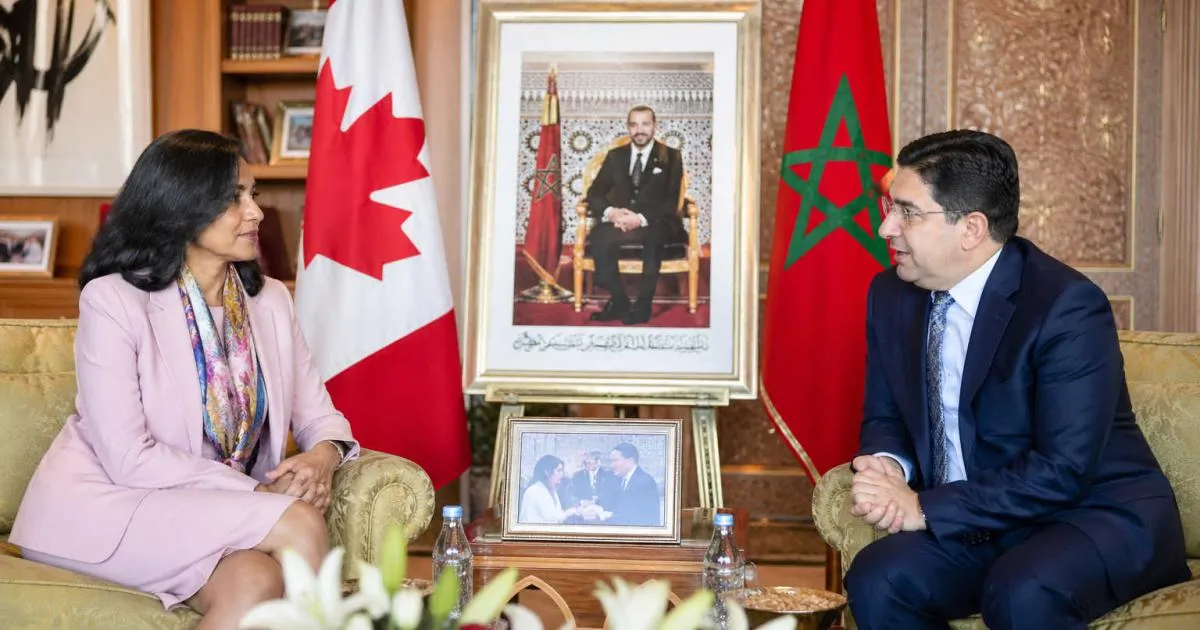
The recent endorsement of Morocco's autonomy plan for the Moroccan Sahara by Canada marks a significant turning point in the diplomatic relations between Rabat and Ottawa. This endorsement not only facilitates a broader strategic partnership but also highlights key areas for potential collaboration, particularly in security, policing, and judicial cooperation. Following Canada's recognition in April of Morocco's autonomy proposal as a 'serious and credible initiative', both nations are poised to deepen their ties, a move that has been received positively in Rabat as a notable diplomatic milestone.
In conjunction with this endorsement, Ottawa has expressed its commitment to rejuvenating bilateral relations grounded in 'mutual respect', 'constructive dialogue', and 'openness'. This strategic pivot underscores a concerted effort to enhance collaboration beyond mere political discussions, expanding into practical realms where cooperation can yield tangible benefits.
Strengthening Security and Judicial Cooperation
One of the most significant aspects of this burgeoning partnership is the focus on security cooperation, which is increasingly recognized as a viable method for transforming political goodwill into actionable outcomes. The Royal Canadian Mounted Police (RCMP) has emphasized the importance of its relationship with Moroccan security institutions, particularly the General Directorate of National Security (DGSN) and the General Directorate for Territorial Surveillance (DGST). The RCMP described this partnership as a continuation of a long-standing tradition of effective collaboration aimed at combating transnational crime and security threats.
Through the deployment of international liaison officers, including those stationed in Rabat, the RCMP ensures the maintenance of operational links between Canadian law enforcement and their Moroccan counterparts. This cooperation spans various domains, including counter-terrorism, organized crime, drug trafficking, fraud, and economic offenses. The RCMP has pointed out that 'crime has no borders', emphasizing the need for robust international partnerships to address these challenges effectively.
The evolving landscape of global threats necessitates a dynamic response that leverages sustained exchanges of information, intelligence, and expertise. Analysts suggest that the strengthening political relationship between Morocco and Canada could enhance coordination on pressing issues such as terrorism, irregular migration, and cyber-enabled criminal activities. Moreover, the judicial aspect of cooperation is anticipated to gain importance as legal complexities between the two nations sometimes pose challenges. Nevertheless, ongoing dialogue and institutional engagement are expected to facilitate resolutions to these issues, ensuring that both countries adhere to their respective legal frameworks.
As both nations strive to develop stronger mechanisms to combat cross-border crimes targeting individuals and institutions, effective judicial coordination will be vital. The RCMP acknowledges that differences in legal systems can complicate cooperation; however, continuous dialogue can help navigate these challenges. The effective sharing of evidence and mutual legal assistance will be crucial in determining the success of investigations, particularly as criminal networks increasingly exploit digital technologies across jurisdictions.
This enhanced cooperation not only serves Morocco in its efforts to address transnational threats to its citizens and institutions but also aids Canada in safeguarding against the potential exploitation of legal discrepancies by international criminal networks. The formal recognition of Morocco's autonomy initiative by Ottawa as the foundation for a political solution to the Sahara dispute reinforces the importance of this relationship. As highlighted by Canada's foreign ministry, this position reflects a commitment to achieving a fair and lasting settlement.
In conclusion, the focus on security, policing, and judicial cooperation between Morocco and Canada is emerging as a cornerstone of their diplomatic rapprochement. If accompanied by stronger legal frameworks and operational collaboration, this partnership could evolve into a more comprehensive strategic alliance aimed at addressing the increasingly complex nature of transnational threats while respecting the sovereignty of both nations.
As reported by middle-east-online.com.