
Overview of the Border Incidents
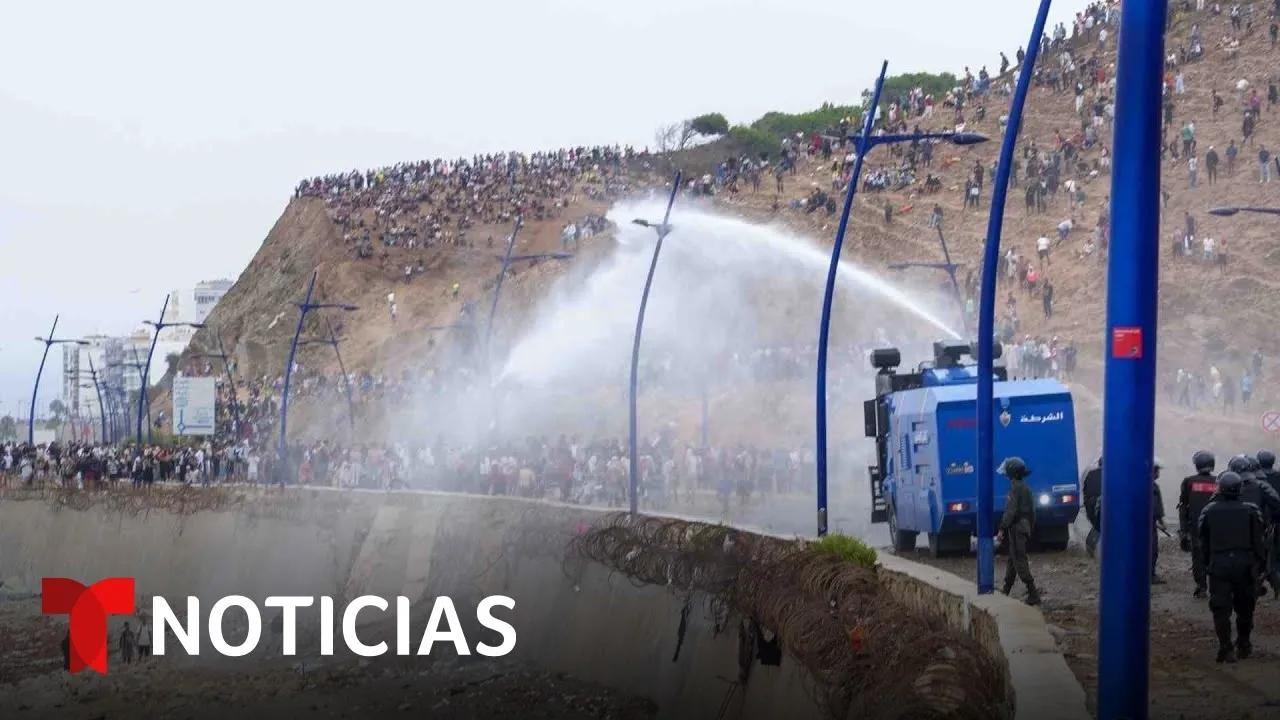
The border incidents between Spain and Morocco that began on July 30, 2026, represent a significant international crisis characterized by a massive influx of migrants crossing from Morocco into the Spanish autonomous cities of Ceuta and Melilla. This crisis is notable as it saw an unprecedented number of approximately 60,000 illegal immigrants attempting to gain entry into Ceuta, marking it as the most substantial surge in migration pressure recorded at the Hispano-Moroccan border since a similar incident in 2021. Many of these crossings were executed by swimming along the coastal boundaries of El Tarajal and Benzú, although there were also attempts made to breach the land border at Melilla. The Spanish Ministry of the Interior reported that while many migrants returned voluntarily to Morocco, thousands remained in Spanish territory, leading to collaborative efforts between Spanish and Moroccan authorities to manage the situation and facilitate returns.
Impact and Response to the Crisis
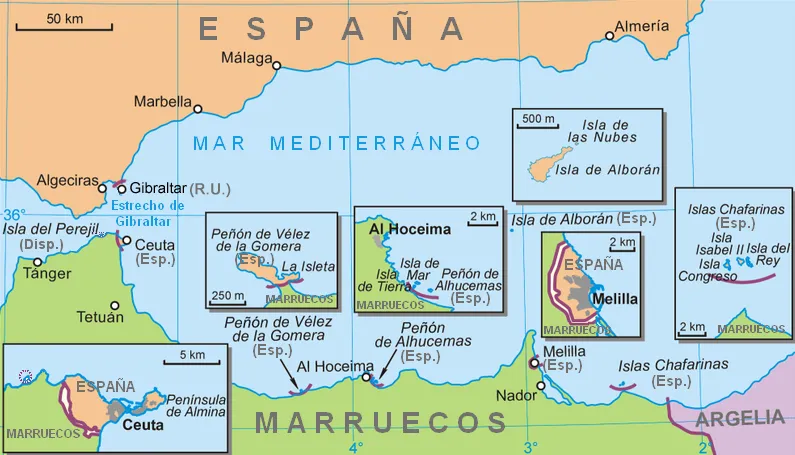
The 2026 migration crisis resulted in a collapse of Ceuta's reception resources, necessitating the deployment of military personnel from the Spanish Army, the Civil Guard, the National Police, and Maritime Rescue Services. Additionally, the temporary closure of the Beni Enzar border crossing in Melilla was implemented. Spanish Prime Minister Pedro Sánchez described the events as a "violation of Spain's territorial integrity," with reports indicating that the death toll from the crossing attempts reached at least 57 individuals. The geographic positioning of Ceuta and Melilla, which are the only land borders between the European Union and Morocco, has made them focal points for irregular migration. Despite the presence of surveillance systems and physical barriers, attempts to access Spanish territory continue to occur, particularly via maritime routes, highlighting the ongoing challenges that Spain faces in managing immigration from Africa. The situation has historically strained Spain-Morocco relations, as Morocco's cooperation in controlling migration flows has fluctuated based on the political climate, leading to accusations of using migration pressure as a negotiation tool.
As reported by es.wikipedia.org.