Unprecedented Strategic Shift in Moroccan-French Relations
The relationship between Morocco and France is undergoing an unprecedented strategic transformation, emerging from years of rapid changes that have reshaped Paris's stance and that of several European capitals regarding the Moroccan Sahara issue. This shift comes in a context where Morocco has positioned this matter as a fundamental criterion for assessing the credibility of international partnerships and the effectiveness of bilateral relations.
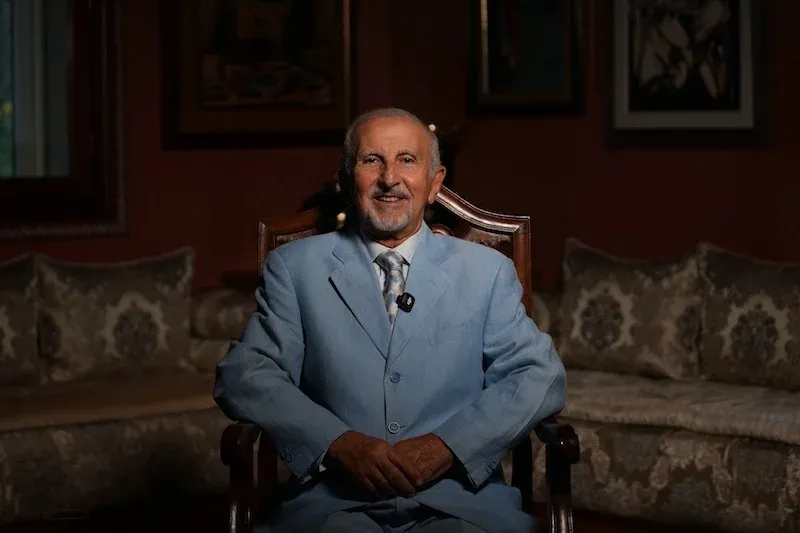
According to Tajeddine El Hossini, a professor of international relations, the current transformation in the ties between Rabat and Paris is rooted in a series of political and diplomatic developments surrounding the Sahara issue in recent years. These developments began with the recognition by the United States of Morocco's sovereignty over the Sahara in December 2020, followed by a speech delivered by King Mohammed VI during the anniversary of the King and People’s Revolution in 2022. In that address, the King emphasized that "the Sahara issue is the lens through which Morocco views the world, and it serves as a clear and simple measure for assessing the sincerity of friendships and the effectiveness of partnerships."
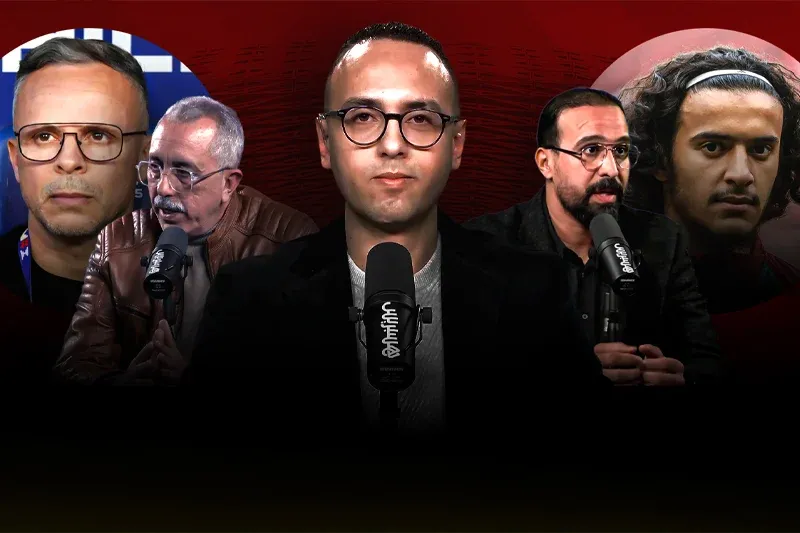
El Hossini further elaborated during the program "Strategic Dimensions" aired on Hespress that this trend has contributed to the formation of clearer European stances regarding the conflict. Both Germany and Spain have retracted their previously ambiguous positions, now considering that the Moroccan autonomy initiative represents the most serious and realistic foundation for resolving this regional dispute.
France has gone even further by adopting a position that aligns closely with the American stance, asserting that the present and future of the Sahara can only exist within the framework of Moroccan sovereignty. This position was articulated by French President Emmanuel Macron in a letter addressed to King Mohammed VI and reiterated during his speech before the Moroccan Parliament in 2024.
El Hossini pointed out that these developments are paving the way for a comprehensive strategic treaty for cooperation and alliance between Morocco and France, which he described as unprecedented in the history of French relations with a non-European country. It is expected that this treaty will be signed during the state visit King Mohammed VI is anticipated to make to France in the fall of the current year. This visit follows the signing of more than twenty cooperation agreements with major French institutions and companies, alongside the establishment of a thirty-year roadmap for cooperation, which includes investments estimated at around ten billion euros.
A New Partnership Based on Equality
The professor of international relations believes that the upcoming treaty will lay the groundwork for a new phase in bilateral relations based on the principles of equality and mutual interest, following a "win-win" approach that ensures the departure from the traditional frameworks that have characterized cooperation between the two countries over past decades.
This partnership is also expected to serve as a platform for stimulating French and European investments in Morocco, particularly in the southern regions, given its strategic location and proximity to African markets, which offer promising opportunities for investment and expansion into the African continent.
El Hossini emphasized that the anticipated cooperation will also involve the development of Moroccan industrial systems centered on innovation and training, especially in sectors such as automotive, aviation, shipbuilding, logistics, and ports—areas in which Morocco has achieved significant progress at the African level.
In the energy sector, the treaty is expected to provide additional momentum for clean energy projects and green hydrogen initiatives, along with the Moroccan-Nigerian gas pipeline project, which both countries consider a strategic endeavor to enhance regional and continental energy security.
Moreover, artificial intelligence is anticipated to occupy a central role within the priorities of this new cooperation, with support for joint investments in this promising sector, especially between the French company "Bull," which is now state-owned, and the major projects Morocco has launched in this field in locations such as Nouasser and Dakhla.
El Hossini stressed, however, that deepening the partnership with France will not come at the expense of Morocco's policy of diversifying its strategic partners. He affirmed that the Kingdom will continue to strengthen its economic and investment relations with various international powers, including the United States and China, as well as other partners at both regional and global levels.
The political analyst noted that the economic dynamism currently being experienced by Morocco reinforces this direction, recalling that the African Development Bank has ranked the Kingdom first in Africa in manufacturing, surpassing South Africa for the first time.
According to El Hossini, this reality reflects the transformation taking place in the Moroccan economy and confirms the Kingdom's commitment to joining the club of emerging nations, in addition to solidifying its position as a strategic platform connecting Europe and Africa in economic, commercial, and logistical domains.
In conclusion, the professor of international relations emphasized that the upcoming treaty, even with the nearing end of President Emmanuel Macron's term in early 2027, will not be tied to individuals or the current political context, but will instead serve as a long-term strategic framework that is likely to shape Moroccan-French relations for decades to come and leave a lasting impact on successive generations in both countries.
As reported by hespress.com.