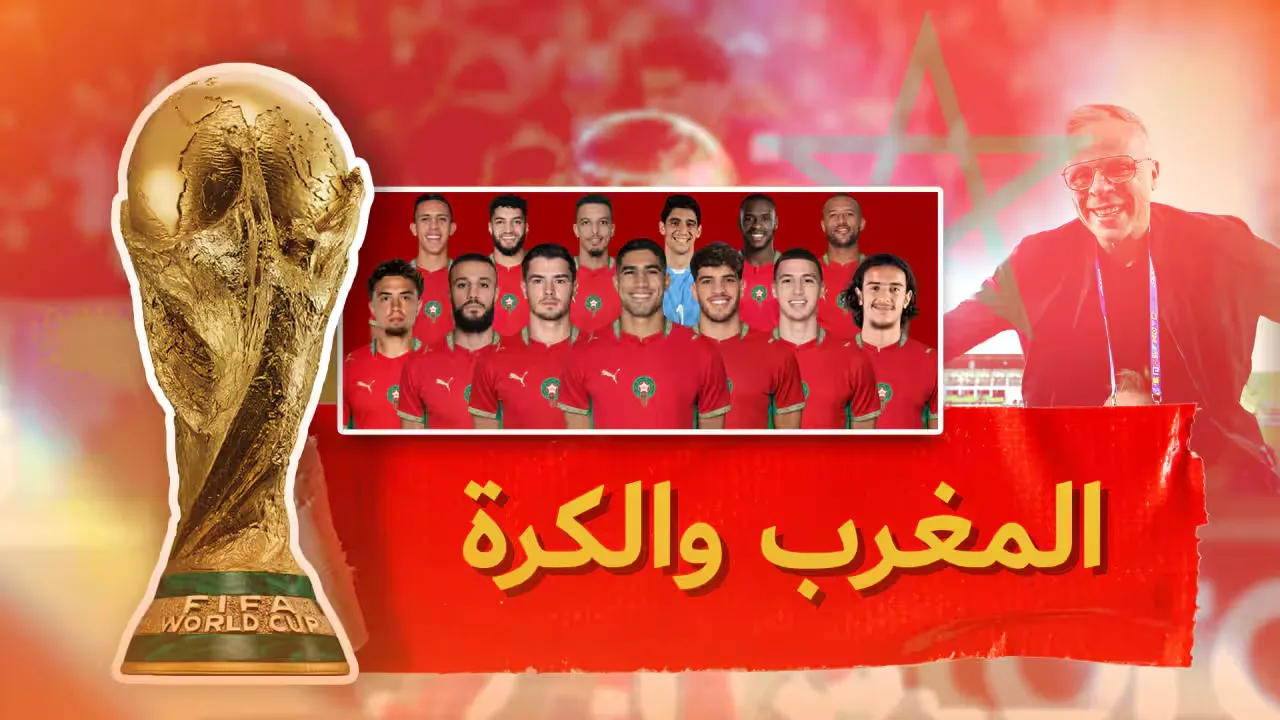
The Evolution of Morocco's Football Identity
In the realm of sports, the roar of fans transcends mere cheers; it embodies the spirit of an entire nation. This is particularly true for Morocco's national football team, known as the Atlas Lions, which has transformed from a struggling squad into a proud symbol of national identity and achievement. In this episode of 'Arabs and Football,' we delve into the remarkable journey of a team that has become a source of pride for Moroccans both at home and abroad. My name is Sana Wehib, and I invite you to explore how this team, through dedication and resilience, has established itself as a notable entity in the world of football.
Building a Legacy: The Foundation of Success
The achievements of the Moroccan national team today are the result of years of strategic planning and hard work. Following the historic World Cup appearance in Mexico in 1986, Moroccan football experienced a series of ups and downs. It was not until the 2018 World Cup in Russia that the team made a significant comeback, culminating in a groundbreaking performance in the 2022 Qatar World Cup, where they reached the semi-finals—the first Arab and African nation to do so. Journalist Ahmed Al-Mediani attributes this success to a clear vision focused on grassroots development and long-term investment in talent, both domestically and abroad.
Central to this vision is the Mohammed VI Football Academy, which has evolved into a powerhouse for nurturing young athletes. No longer just a training center, the academy serves as a school for player development, emphasizing the importance of creating generations capable of competing on both continental and global stages. According to journalist and researcher Younes Al-Othmani, the Royal Moroccan Football Federation has embraced a professional approach that prioritizes player development over immediate results, fostering a culture of success that is reflected in the achievements of Moroccan teams across various age groups.
The journey towards success has also been significantly influenced by the leadership of coach Walid Regragui. His ability to instill confidence and unity among players has transformed the team's mentality from one of fear to one of determination and competitiveness against the world's best. Under his guidance, the Moroccan team has adopted a recipe for success that combines organization, training, and self-belief.
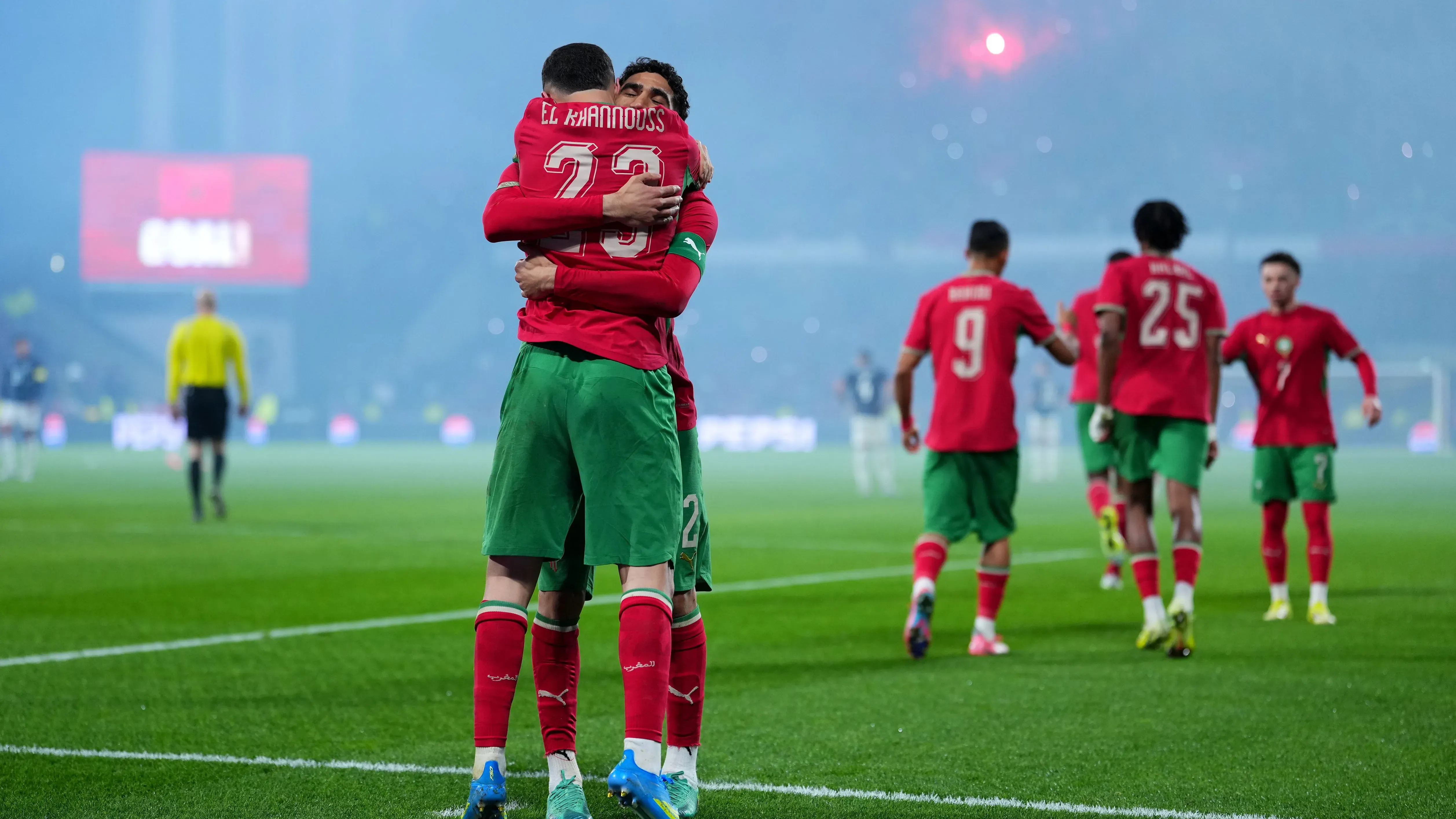
However, football is not merely about statistics; it is also about emotions and identity. The Moroccan national team has become a beacon of a multifaceted identity, attracting players born and raised in Europe who take pride in representing their roots. Players such as Achraf Hakimi, Hakim Ziyech, and Brahim Diaz have chosen to don the national jersey not only as athletes but as ambassadors of their heritage, carrying their cultural narratives onto the world stage. The imagery of Moroccan mothers in the stands has become a universal symbol of identity and belonging, highlighting the emotional connection between players and their homeland.
The watershed moment came during the 2022 Qatar World Cup when Morocco surprised the world by defeating powerhouse teams like Spain and Portugal, ultimately reaching the semi-finals. This achievement sparked unprecedented joy among Moroccans and offered a renewed sense of hope for Arab and African football, prompting a shift in perception toward what is possible in the sport. The question is no longer whether Morocco can compete, but rather how far they can go in the future.
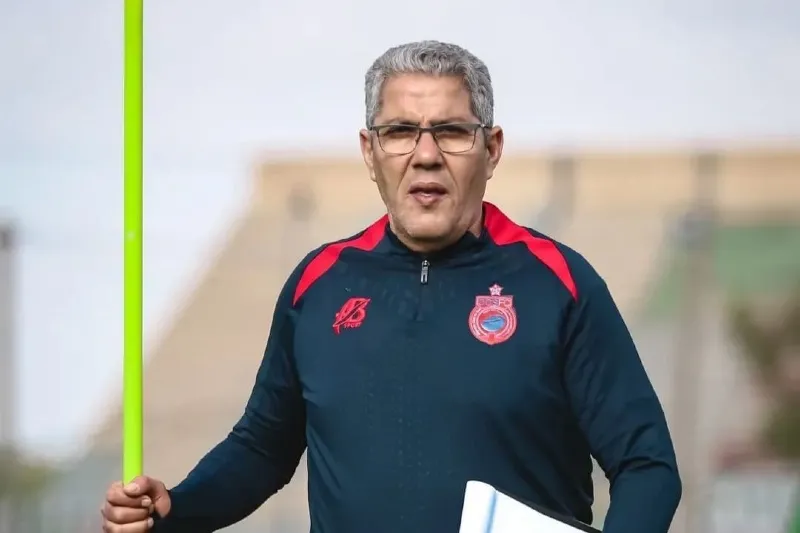
Today, the narrative continues with a new generation of Moroccan talent making waves in Europe and youth competitions. This new chapter is being led by coach Mohammed Wahbi, who is seen as a continuation of the modern Moroccan football project. Al-Mediani notes that Wahbi possesses a unique technical acumen and a knack for utilizing players intelligently, as demonstrated during the recent youth World Cup and friendly matches. It appears that the young coach is preparing a new generation ready to carry the ambition of furthering Morocco's legacy in the 2026 World Cup.
Moreover, the story of the Atlas Lions extends far beyond Morocco's borders. In cities like Sydney, Brisbane, Canada, and Belgium, Moroccans are gearing up to support their national team with unyielding passion. The presence of Moroccan flags, songs, traditional food, and continuous chants creates an electrifying atmosphere reminiscent of the World Cup. Khadija, president of the Moroccan Association in Brisbane, shared that the Moroccan community has been preparing early to cheer on the team in Australia, fostering an inclusive environment that bridges generations and even brings together non-Moroccan supporters who have joined the cause.
For fans planning to travel to support their team, despite the challenges of ticket availability and rising costs, the dream remains vibrant. Morocco is no longer content with merely participating honorably; it seeks to pen a new chapter in its history. All these voices and stories have transcended the realm of football, evolving into a narrative of nationhood—a tale of a generation that believes in the possibility of achieving the extraordinary. The Atlas Lions are no longer just chasing dreams; they are in the process of crafting their own reality.
As reported by sbs.com.au.