
US Support for Israel's Diplomatic Expansion with Morocco
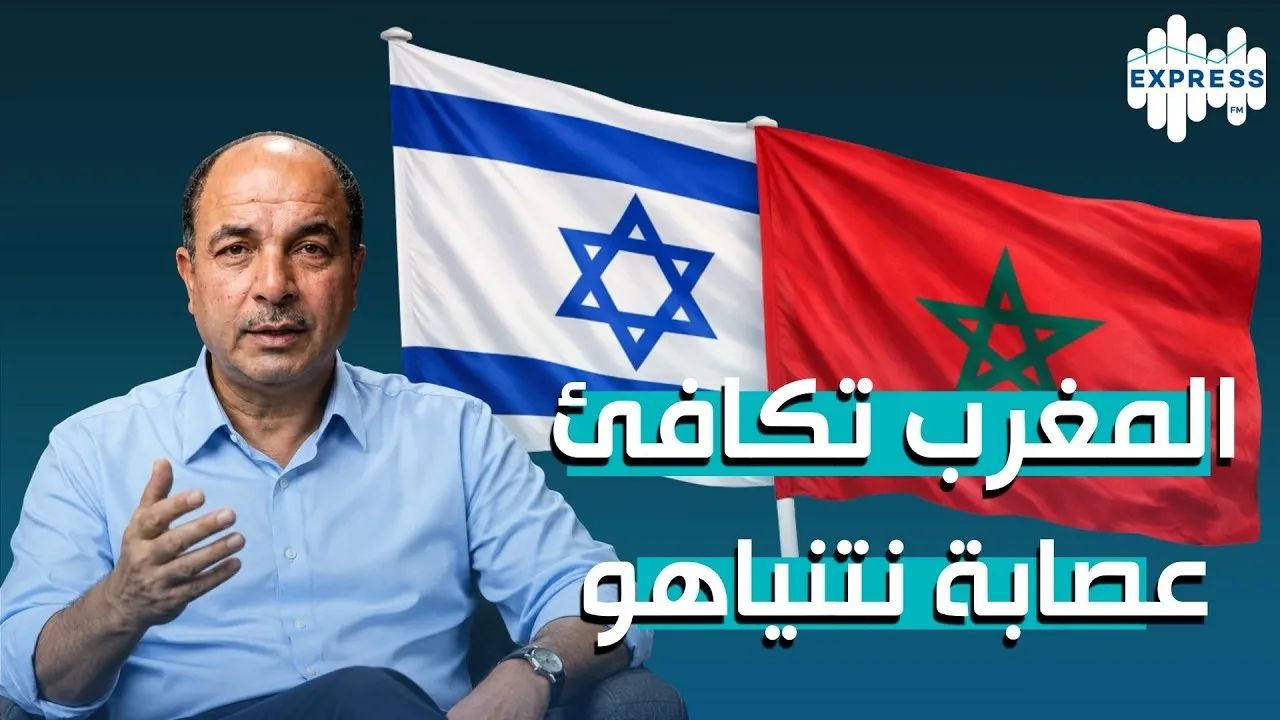
The recent announcement by the foreign ministers of Israel and Morocco to expand diplomatic relations, including the establishment of embassies and the appointment of ambassadors, can be seen as a strategic move by the US President to support Benjamin Netanyahu. This development, facilitated by the United States, comes at a time when President Donald Trump has struggled to deliver on his promise of a swift victory over Iran. Compounding his challenges, several European nations, including significant players like the United Kingdom and France, have begun to implement cautious yet politically impactful sanctions against Israel's occupation policies. As a result, Netanyahu's foreign policy record is increasingly viewed in a negative light.
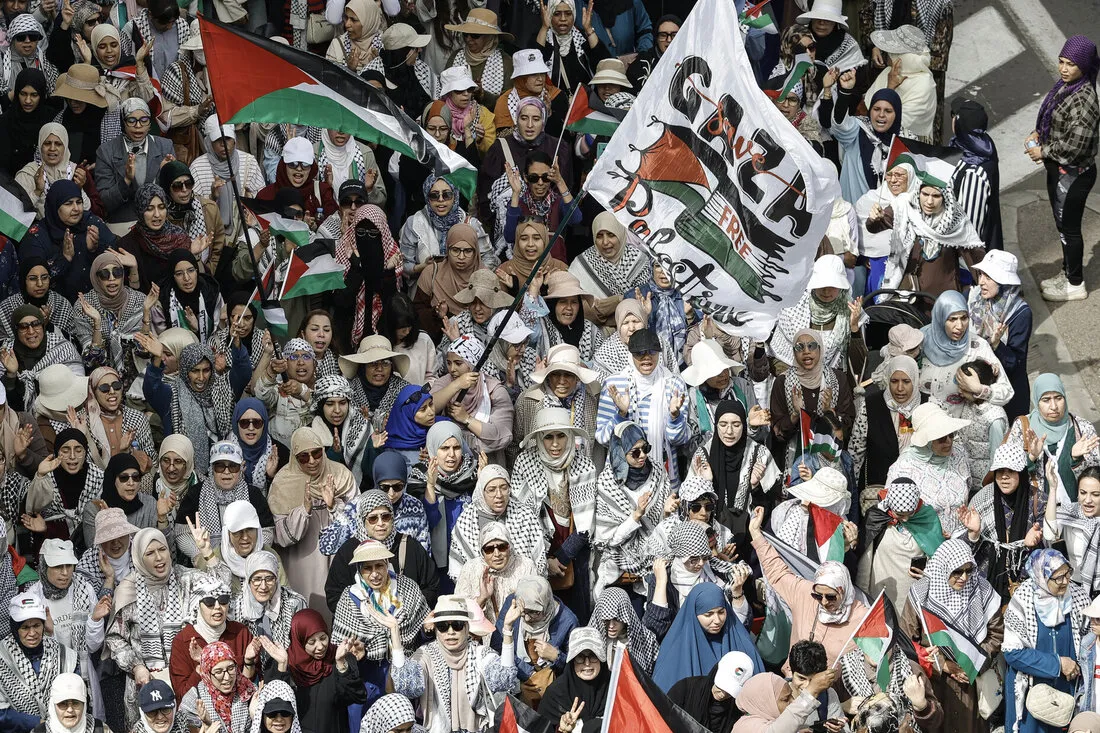
The establishment of diplomatic ties between Israel and Morocco comes six years after the signing of the Abraham Accords, and the silence from the Moroccan press on this issue indicates a deep-seated resistance among the Moroccan populace regarding the current conflict. Many Moroccans vehemently oppose the genocide in Gaza and the ethnic cleansing occurring in the occupied West Bank, leading to widespread protests against the stance of the Moroccan King and government. Activists speaking out against the regime often face arrest, highlighting the precarious situation for dissent in the country.
Military and Economic Collaboration Amidst Tensions
The normalization agreement between Rabat and Tel Aviv was reached in 2020, following Trump's recognition of Moroccan sovereignty over the occupied Western Sahara, a move promptly reciprocated by Israel. Although King Mohammed VI occasionally acknowledges Morocco's recognition of the 2024 International Court of Justice ruling regarding the illegitimacy of the Israeli occupation and the Palestinian right to statehood, his actions imply a contradictory stance. As the head of a committee established by the Organization of Islamic Cooperation in 1975 to protect holy sites in Jerusalem, he has not effectively countered the escalating provocations by Israeli politicians and extremists at the Al-Aqsa Mosque.
In New York, new agreements were signed to enhance economic cooperation, which had already reached a level necessitating a double taxation prevention agreement, alongside plans for increased direct flights. Notably, the two nations have cooperated closely over the past six years, not solely in economic matters but also significantly in military and intelligence sectors. Reports indicate that Morocco has utilized Israeli spyware, such as Pegasus, to surveil officials from African and European nations. Furthermore, Morocco is purchasing advanced military equipment from Israel, including drones and cyber defense systems, with ambitions to produce Israeli weapons domestically. Both countries regularly exchange intelligence and conduct joint military exercises, aligning Morocco's military strategy closely with NATO’s objectives in Africa.
This military collaboration has primarily served as a compliant extension of NATO's support for its African policy, with Morocco reportedly engaging in various covert operations aimed at destabilizing the anti-colonial Sahel alliance established by Mali, Niger, and Burkina Faso. Algeria, as a formidable rival, recently severed its diplomatic ties with the United Arab Emirates (UAE), which has also entered into an Abraham Accord with Tel Aviv and established a consulate in the Western Sahara city of Al-Ajoun. This move underscores the intensifying geostrategic conflict in North Africa, with Algeria citing the UAE's evident coordination with Morocco in its interventions not only in Sudan but also throughout the Sahel region.
As reported by jungewelt.de.